Toggle light / dark theme

China’s largest private automaker is building a satellite network now, too

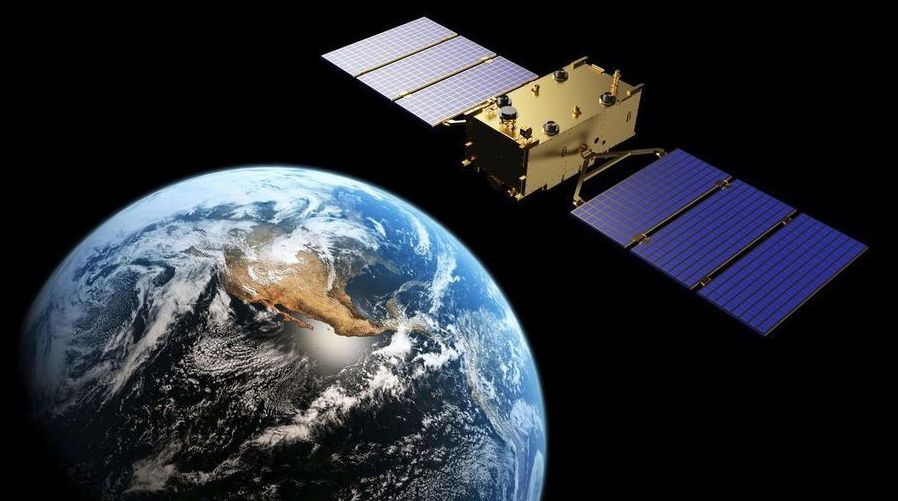
The largest private automaker in China is getting into the satellite business. Chinese automotive giant Geely has broadened its reach to include everything from trucking, to high-speed trains, to passenger drones, to Volvo over the last decade or so. But its newest effort could tie those things all together, as Geely just announced it’s going to build its own satellite network to enable what it calls a “smart three-dimensional mobility ecosystem.”

Geely announced late Monday that it will erect a satellite production facility and testing center in the port city of Taizhou in the Zhejiang province that the Chinese giant calls home. The facility will be capable of building a “variety of different satellite models,” some of which may be for non-Geely entities.

Geely says it will start launching the satellite network as soon as the end of this year, but did not say how big it will be. Reuters reports that the company is pumping around $326 million into the project, and will eventually make 500 satellites a year.


What should macro policymakers do about the coronavirus?

As coronavirus outbreaks have become more threatening outside China in recent days, attention has turned to the likely damage to global output and to the possible reaction of macroeconomic policymakers. This has become urgent with the catastrophic decline in China’s PMI business surveys yesterday. The question now is whether a global recession can be avoided.


The global economy faces a demand shock focused on services and consumer spending.

The first U.S. trial for a coronavirus treatment has started

The treatment could hold real promise as coronavirus infections and deaths outside of China continue to swell. “There is only one drug right now that we think may have real efficacy and that’s remdesivir,” said WHO assistant director-general Bruce Aylward during a press conference in Beijing on Monday. The drug is already being enlisted in clinical trials in China.


Gilead’s antiviral remdesivir is being used in the first U.S. clinical trial to treat COVID-19, the disease caused by the new coronavirus.

Unmanned Solar Aircraft Aims to Compete Commercially With Satellites and Drones

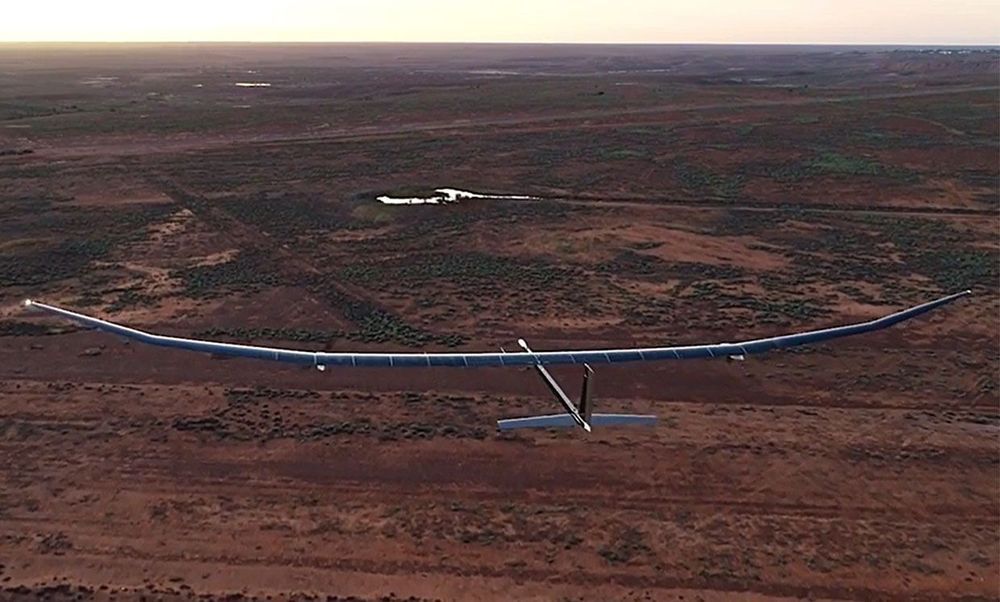
At 35 meters, the wingspan of the new BAE Systems aircraft equals that of a Boeing 737, yet the plane weighs in at just 150 kilograms, including a 15 kg payload. The unmanned plane, dubbed the PHASA-35 (Persistent High-Altitude Solar Aircraft), made its maiden voyage on 10 February at the Royal Australian Air Force Woomera Test Range in South Australia.

“It flew for just under an hour—enough time to successfully test its aerodynamics, autopilot system, and maneuverability,” says Phil Varty, business development leader of emerging products at BAE Systems. “We’d previously tested other sub-systems such as the flight control system in smaller models of the plane in the U.K. and Australia, so we’d taken much of the risk out of the craft before the test flight.”

The prototype aircraft uses gallium arsenide–based triple-junction solar cell panels manufactured by MicroLink Devices in Niles, Ill. MicroLink claims an energy conversion efficiency of 31 percent for these specialist panels.

This man’s potentially huge medical breakthrough can’t get funding, so he’s trying something desperate

Four years ago, Todd Rider was on top of the world. The MIT-trained bioengineer had developed a radical idea for killing viruses. Initial test results showed that his therapy, called DRACO, could kill every virus he threw it at: 15 viruses were killed in human cells, and two in mice.

It seemed like there was a chance it could be the biggest discovery in medicine since the invention of antibiotics. Enthusiastic headlines praised the potentially world-changing panacea. “Todd Rider Has a Kill Switch for Viruses,” wrote Bloomberg Businessweek. The Verge: “Killing sickness: is DRACO a doomsday device for viruses?” Time magazine declared it one of the top 50 inventions of the year.

Yet over the next few years, things started going wrong. Rider moved from lab to lab and says he couldn’t raise the money to continue testing DRACO, despite, he claims, the continued promise of the concept.

Israeli mobility app Moovit expands to 100 countries worldwide

#Israeli-made transportation app Moovit is continuing its global expansion and now provides its #urban mobility service in a total of 100 countries.


Moovit uses up to six billion anonymous data points daily, the company says, “to add to the world’s largest repository of transit and urban mobility data.” In addition to its popular app, the Ness Ziona-headquartered company also provides analytics platforms to cities, transit authorities and businesses, enabling optimized planning and operations for residents and employees.

“Urban mobility is the lifeline to jobs, healthcare, and education, so we are so proud that in just a few years Moovit is now providing service to millions of users in 100 countries, helping them get from A to B with confidence and convenience,” said Moovit co-founder and CEO Nir Erez.

“We have grown drastically, from offering a consumer app, to also now licensing a multitude of MaaS solutions to cities, governments, and transit agencies. We are also glad to see the likes of Uber, Microsoft, and Cubic choosing Moovit’s high-quality MaaS platform to power their mobility offering.

Moovit also announced the appointment of Uli Gal-Oz as the company’s new vice-president of business development. Gal-Oz, who most recently served as vice-president of business development at Magisto prior to its $200 million acquisition by Vimeo, will be tasked with overseeing Moovit’s initiatives with strategic partners and customers — including Uber, Microsoft and Cubic.

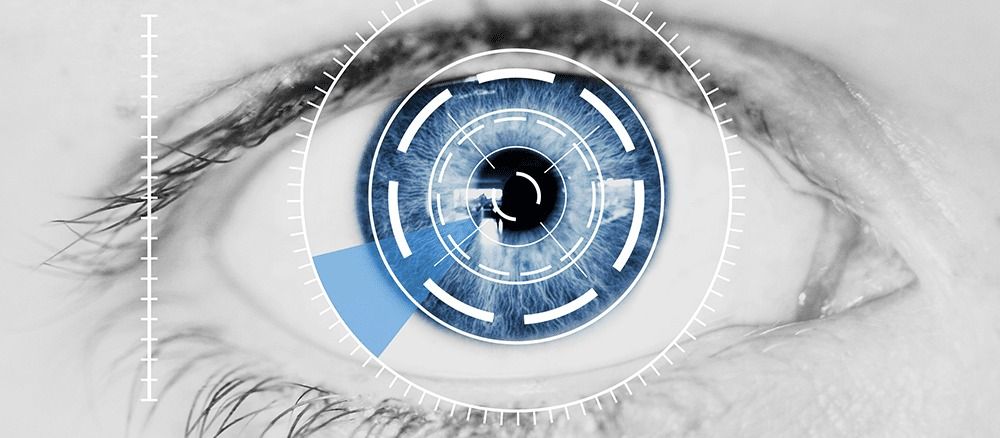
Epidemics like coronavirus are putting a spotlight on contactless biometrics

This is a guest post by Mohammed Murad, vice president, global sales and business development, Iris ID.

The world is in the grip of a coronavirus epidemic the impact of which extends well beyond people’s health, including more than 1,300 reported deaths. The fear of this recently identified disease has closed businesses and grounded thousands of flights. The impacts have led to estimates of reduced economic growth in many countries.

While the virus that was first discovered in a Chinese province has killed far fewer people than influenza this year, the fatality rate has people worried. Influenza reportedly kills between 10 to 20 people per 100,000 infections each year. The death rate from the coronavirus tops 2,300 deaths per 100,000 cases. Those latter statistics change virtually daily as more cases of the virus are reported.

/* */