Toggle light / dark theme

Get the latest international news and world events from around the world.

Log in for authorized contributors

Chemical Reaction Pattern Shines Like the Sun

For a phenomenon like a wildfire burning through a forest or a disease moving through a population, the resulting patterns can sometimes be modeled using a so-called reaction–diffusion system—an experiment where a chemical reaction front moves through a region full of reactants. Now Anne De Wit of the Université Libre de Bruxelles and her colleagues have demonstrated that new patterns can be revealed when the reactants flow against the direction of the front’s propagation, causing it to freeze in place [1]. Their “sun-ray” pattern is the first one discovered this way, but the technique could generate other patterns that might replicate behavior in forest fires or epidemics.

Two years ago, De Wit and her colleagues brought a propagating reaction front to a standstill by slowly and continually injecting a reactant into the center of a disk-shaped chamber filled with the other reactant, against the front’s inward propagation [2]. The stopping occurred when the outward flow matched the rate at which the inner reactant was consumed. De Wit says that a stationary front allows more control and thus more careful study of patterns than a propagating front.

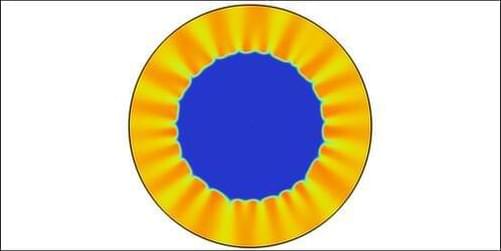
As a demonstration of this control, the researchers have now used reactants with different diffusion rates in the same outward-flow setup. In this case, the stationary front developed ripples—an effect previously seen in propagating fronts. The researchers also observed radial “rays”—narrow regions of higher concentration of one of the reactants. They showed in simulations and experiments that properties of the front can be precisely controlled by varying the flow rate.
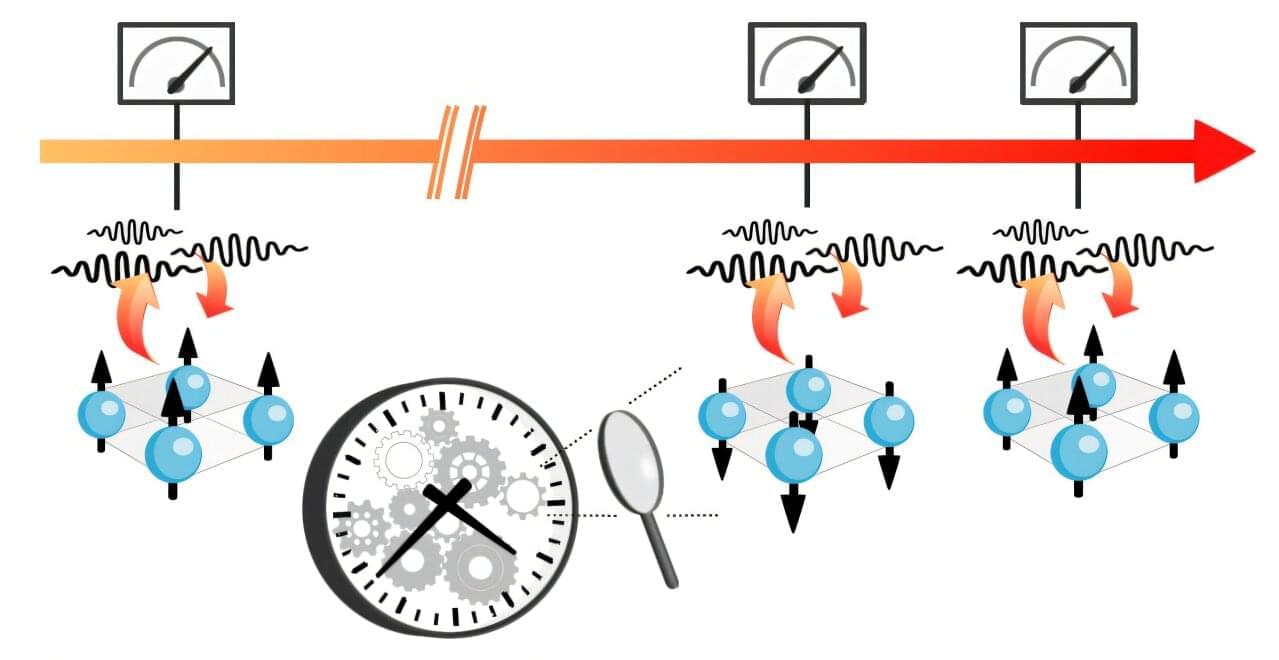

Time crystals could become accurate and efficient timekeepers

Time crystals could one day provide a reliable foundation for ultra-precise quantum clocks, new mathematical analysis has revealed. Published in Physical Review Letters, the research was led by Ludmila Viotti at the Abdus Salam International Center for Theoretical Physics in Italy. The team shows that these exotic systems could, in principle, offer higher timekeeping precision than more conventional designs, which rely on external excitations to generate reliably repeating oscillations.

In physics, a crystal can be defined as any system that hosts a repeating pattern in its microscopic structure. In conventional crystals, this pattern repeats in space—but more exotic behavior can emerge in materials whose configurations repeat over time. Known as “time crystals,” these systems were first demonstrated experimentally in 2016. Since then, researchers have been working to understand the full extent of their possible applications.

The IceCube experiment is ready to uncover more secrets of the universe

The name “IceCube” not only serves as the title of the experiment, but also describes its appearance. Embedded in the transparent ice of the South Pole, a three-dimensional grid of more than 5,000 extremely sensitive light sensors forms a giant cube with a volume of one cubic kilometer. This unique arrangement serves as an observatory for detecting neutrinos, the most difficult elementary particles to detect.

In order to detect neutrinos, they must interact with matter, creating charged particles whose light can be measured. These light measurements can be used to determine information about the properties of neutrinos. However, the probability of neutrinos interacting with matter is extremely low, so they usually pass through it without leaving a trace, which makes their detection considerably more difficult.

For this reason, a large detector volume is required to increase the probability of interaction, and state-of-the-art technology is crucial for detecting such rare interactions.

How a key receptor tells apart two nearly identical drug molecules

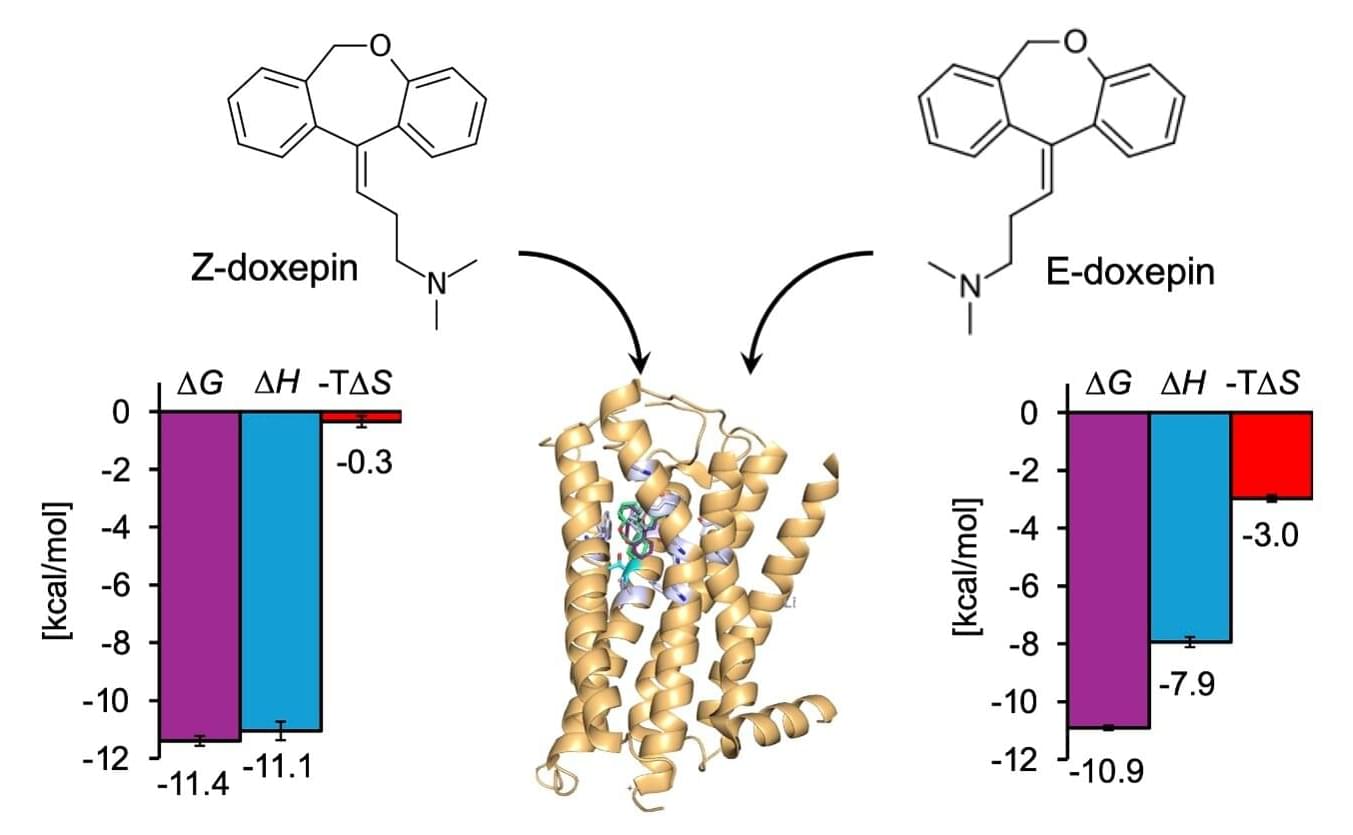
G-protein-coupled receptors (GPCRs) are one of the largest families of cell surface proteins in the human body that recognize hormones, neurotransmitters, and drugs. These receptors regulate a wide range of physiological processes and are the targets of more than 30% of currently marketed drugs. The histamine H1 receptor (H1R) is one such GPCR subtype that plays a key role in mediating allergic reactions, inflammation, vascular permeability, airway constriction, wakefulness, and cognitive functions in the human body. While antihistamines primarily target H1R, current drugs can exhibit limited therapeutic efficacy, prompting researchers to look at H1R ligands from new perspectives.

Recently, the importance of drug design based not only on the affinity or binding energy between a compound and its target protein, but also on its components, enthalpy, and entropy, has been recognized as crucial for rational drug design. In particular, enthalpy–entropy compensation has emerged as a key concept for understanding ligand selectivity and isomer specificity. However, direct experimental measurement of these thermodynamic parameters has been limited to cell surface proteins, such as GPCRs.

Addressing this gap, a research team led by Professor Mitsunori Shiroishi from the Department of Life System Engineering, Tokyo University of Science (TUS), Japan, systematically investigated the binding thermodynamics of the H1R. The team included Mr. Hiroto Kaneko (first-year doctoral student) and Associate Professor Tadashi Ando from TUS, among others. Their study was published online in ACS Medicinal Chemistry Letters on January 26, 2026.

Why you hardly notice your blind spot: New tests pit three theories of consciousness

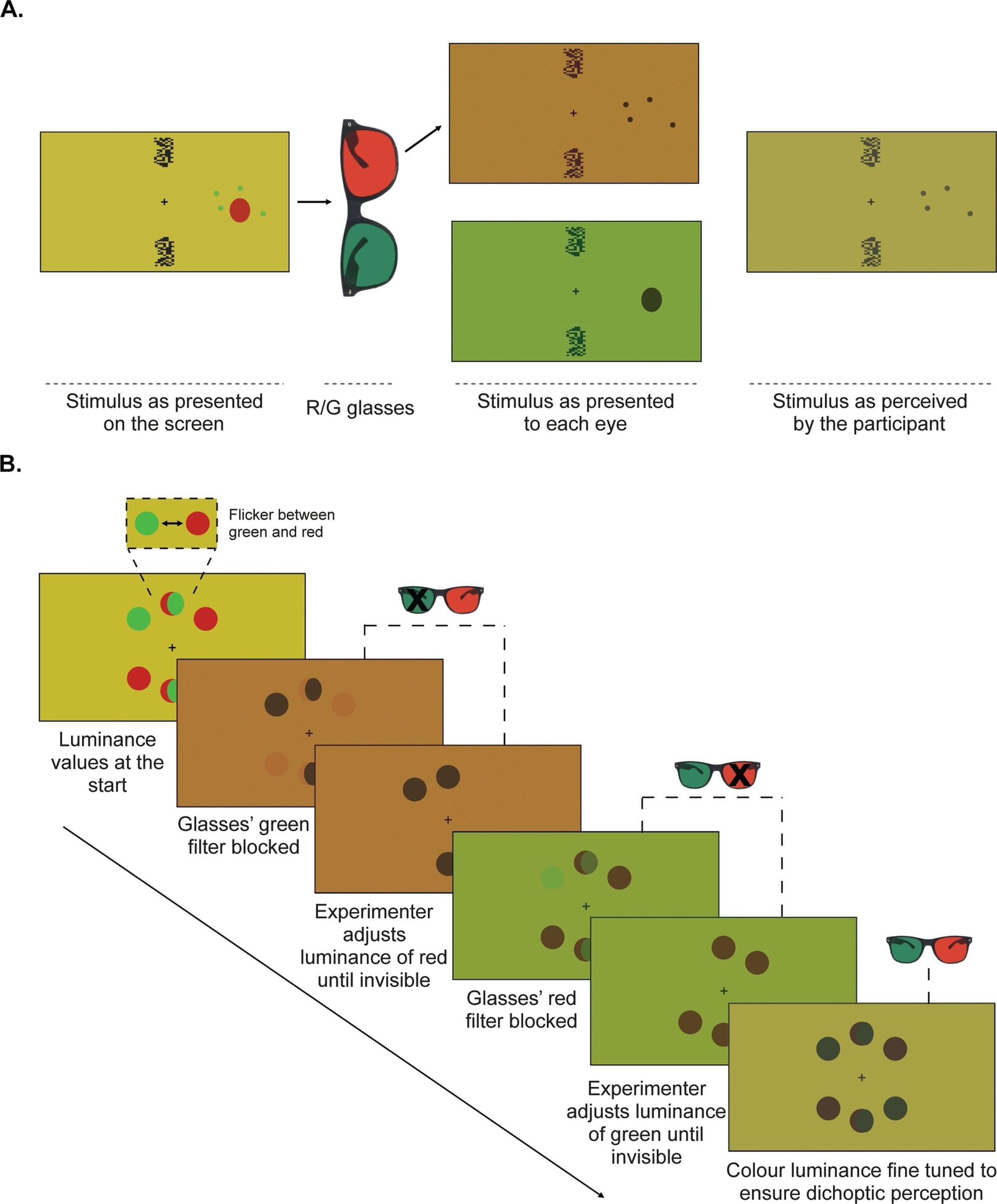
Although humans’ visual perception of the world appears complete, our eyes contain a visual blind spot where the optic nerve connects to the retina. Scientists are still uncertain whether the brain fully compensates for the blind spot or if it causes perceptual distortions in spatial experience. A new study protocol, published in PLOS One, seeks to compare different theoretical predictions on how we perceive space from three leading theories of consciousness using carefully controlled experiments.

The new protocol focuses on three contrasting theories of consciousness: Integrated Information Theory (IIT), Predictive Processing Active Inference (AI), and Predictive Processing Neurorepresentationalism (NREP). Each of the theories have different predictions about the effects that the blind spot’s structural features have on the conscious perception of space, compared to non-blind spot regions.

IIT argues that the quality of spatial consciousness is determined by the composition of a cause-effect structure, and that the perception of space involving the blind spot is altered. On the other hand, AI and NREP argue that perception relies on internal models that reduce prediction errors and that these models adapt to accommodate for the structural deviations resulting from the blind spot. Essentially, this means that perceptual distortions should either appear small or nonexistent in both theories. However, AI and NREP differ in some ways.

Redesigned electrolyte helps lithium-metal batteries safely reach full charge in 15 minutes

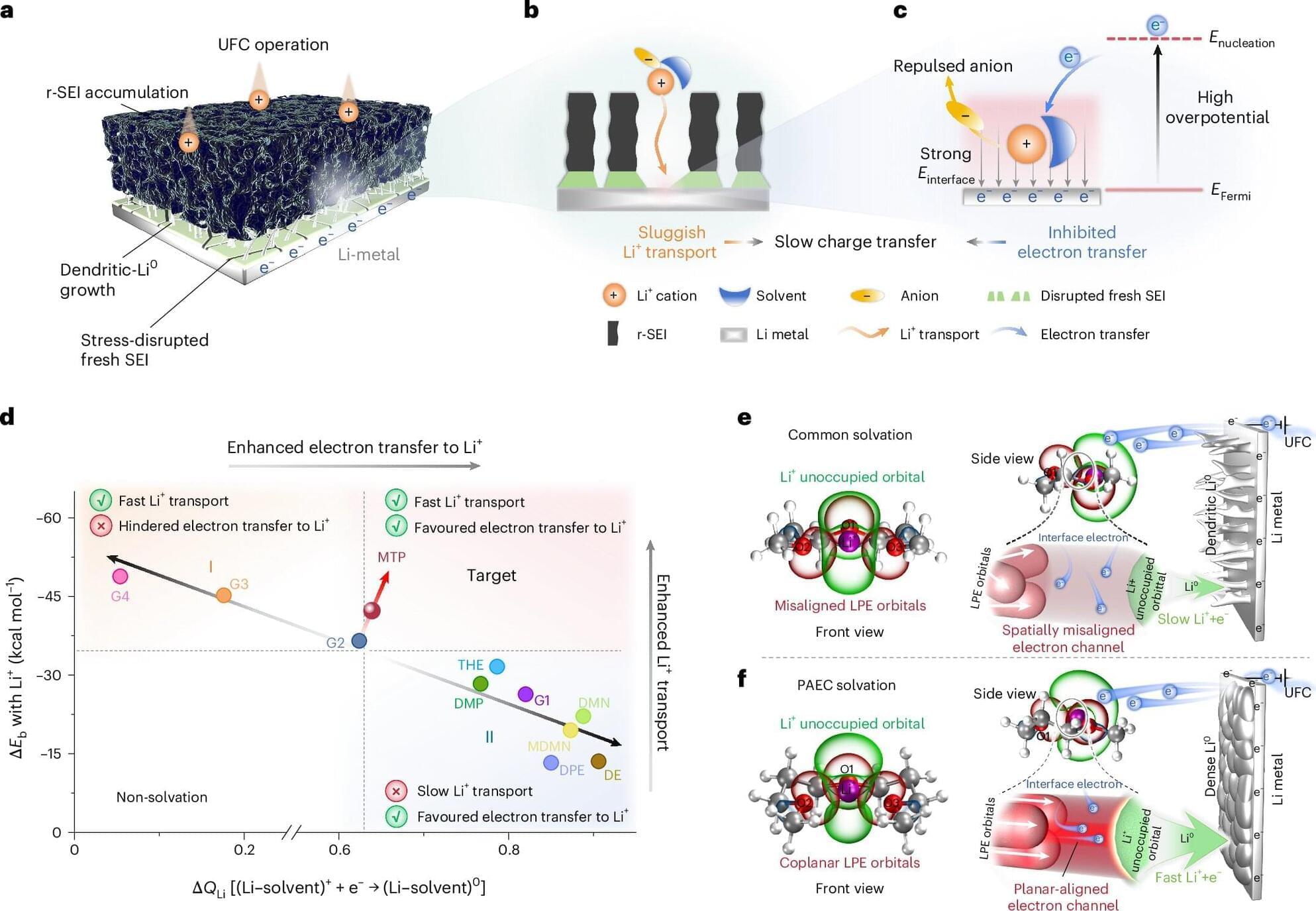
Lithium-metal batteries (LMBs) are rechargeable batteries that contain an anode (i.e., the electrode through which current flows and a loss of electrons occurs) made of lithium metal. Compared to conventional lithium-ion batteries (LIBs), which power most electronic devices on the market today, LMBs could store more energy, charge faster and operate in extreme environments.

Despite their advantages, these batteries have not yet achieved their full potential and recharging them safely in short periods of time has proved challenging. In particular, enabling the fast and efficient movement of electrons and ions across the boundary between electrodes and the electrolyte, a process known as charge transfer, has proved difficult.

If charge transfer is slow, chemical reactions become sluggish, which can also lead to undesirable side reactions and prompt the formation of Li dendrites. These are essentially needle-like extensions that can adversely impact a battery’s performance, lead to its sudden failure and, in most extreme cases, result in fires or explosions.

Lithium alternatives? Calcium-ion batteries show strong 1,000-cycle performance in new test

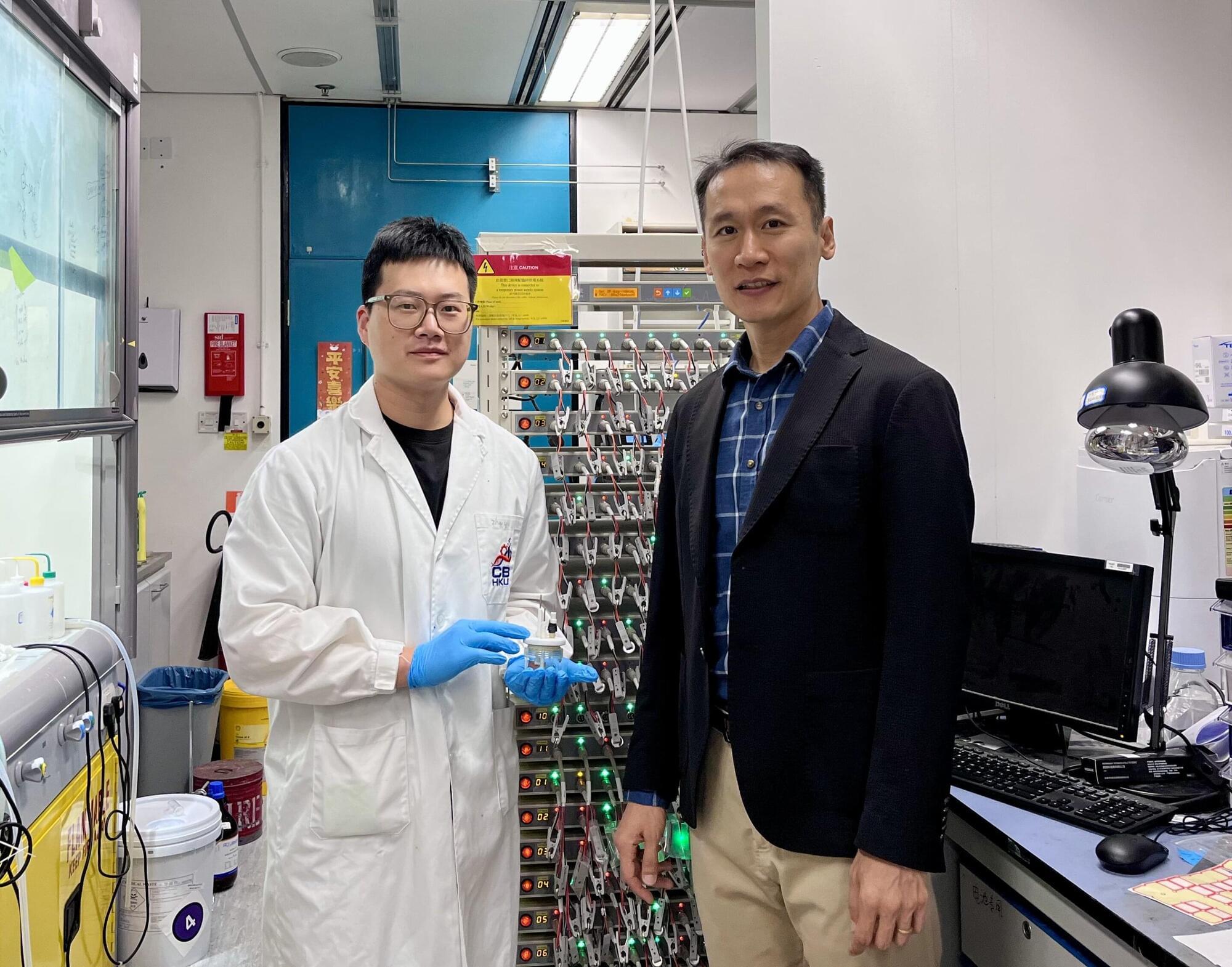
Researchers at The Hong Kong University of Science and Technology (HKUST) have achieved a breakthrough in calcium-ion battery (CIB) technology, which could transform energy storage solutions in everyday life. Utilizing quasi-solid-state electrolytes (QSSEs), these innovative CIBs promise to enhance the efficiency and sustainability of energy storage, impacting a wide range of applications from renewable energy systems to electric vehicles.

The findings, titled “High-Performance Quasi-Solid-State Calcium-Ion Batteries from Redox-Active Covalent Organic Framework Electrolytes,” are published in the journal Advanced Science.

The urgency for sustainable energy storage solutions is growing critical worldwide. As the world accelerates its shift to green energy, the demand for efficient and stable battery systems has never been more pressing. Today’s mainstream lithium-ion batteries (LIBs) face challenges due to resource scarcity and near-limited energy density, making the exploration of alternatives like CIBs essential for a sustainable future.

Rule-breaking discovery reveals new way to strengthen metal in extreme conditions

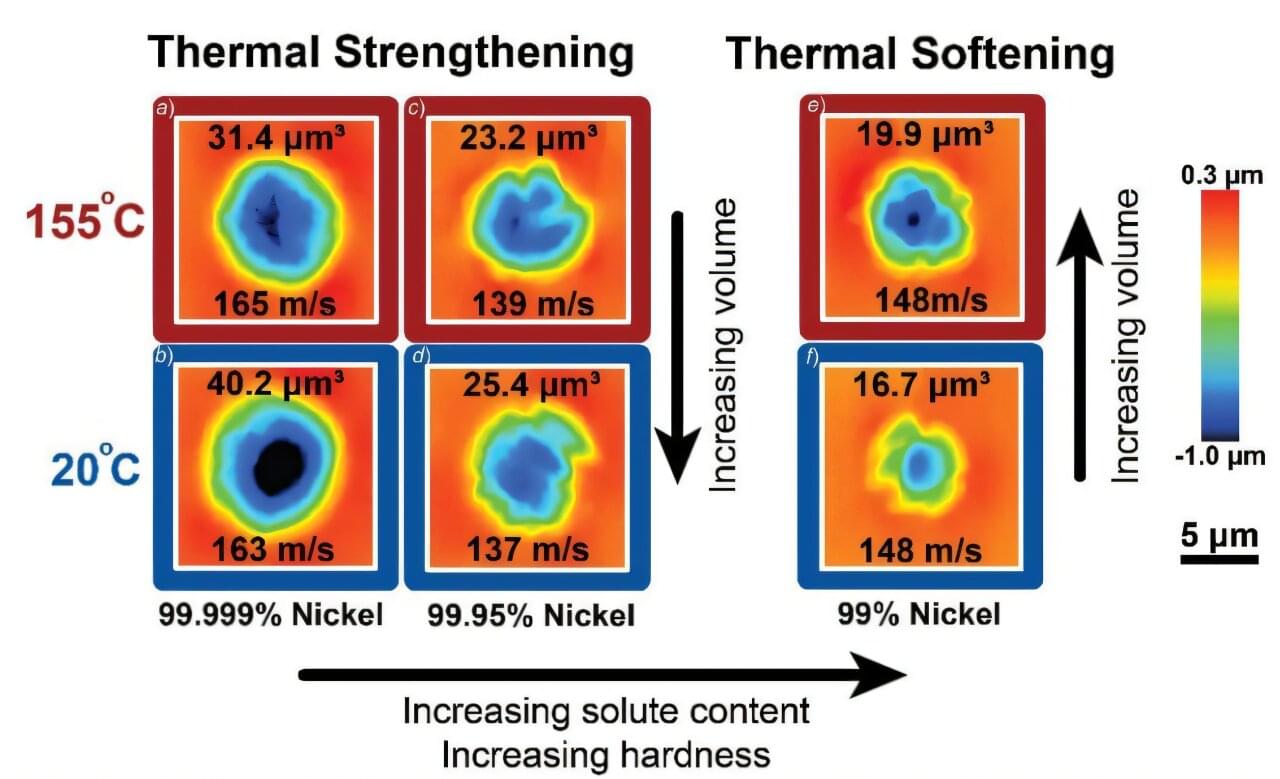
There’s a reason why blacksmiths fire metals before hammering them. Heat always softens metal, making it more malleable and easier to reshape. Or does it? In a surprising new study, Northwestern University engineers discovered that, in extreme conditions, heat doesn’t soften pure metals—it strengthens them.

Not only does this new finding challenge long-held assumptions of how metals behave, it also could provide new insights for designing metals for futuristic applications in extreme conditions, such as hypersonic flight, extraterrestrial construction and advanced manufacturing.

The study will be published Tuesday (Feb. 17) in Physical Review Letters.

Midair haptics and levitation may get steadier with predictable ultrasonic airflow

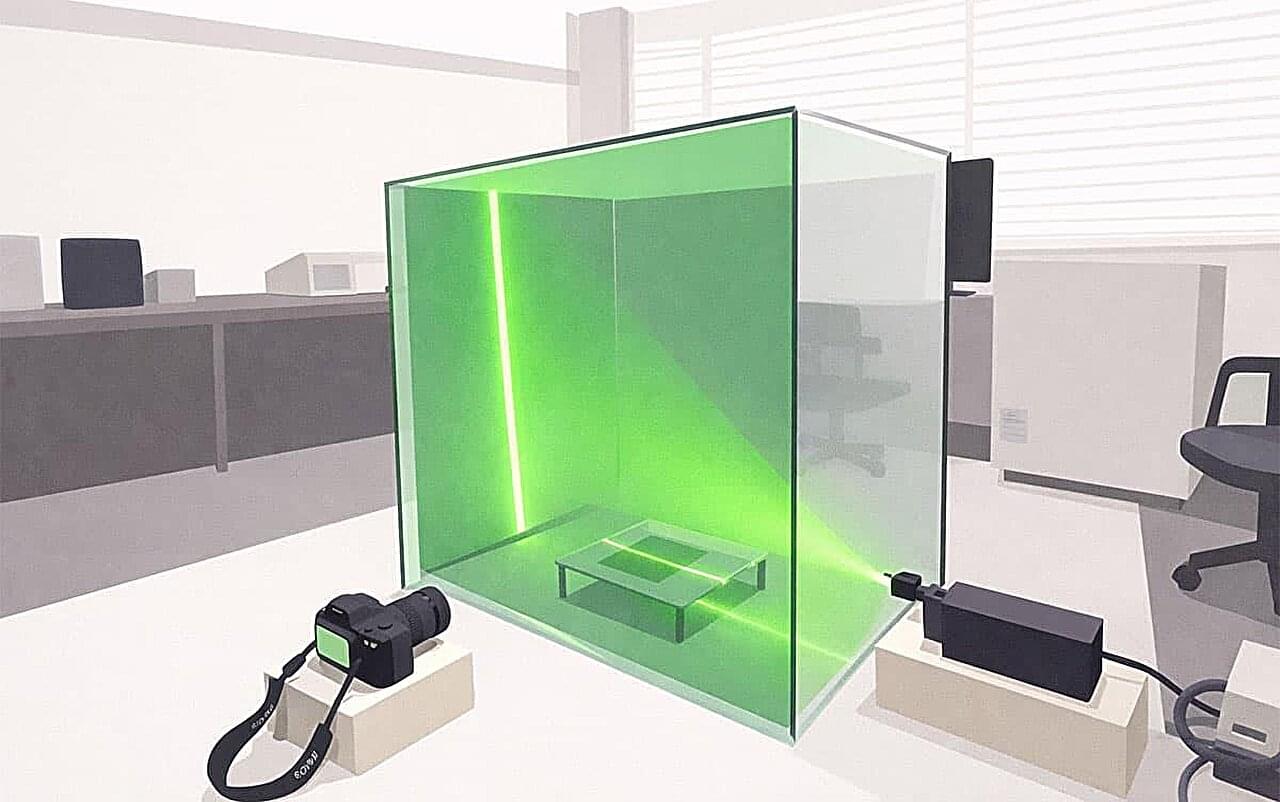
Acoustic streaming generated by airborne ultrasonic phased arrays plays a critical role in the performance of advanced ultrasonic technologies, including midair haptic feedback, odor delivery, and acoustic levitation. Researchers at University of Tsukuba have developed a predictive model for acoustic streaming in phased arrays by integrating three-dimensional acoustic and fluid simulations.

Airborne ultrasonic phased arrays focus ultrasonic waves at prescribed locations in space and dynamically steer them, enabling applications such as noncontact tactile feedback, odor transport, and the levitation of small objects.

Despite the nonnegligible influence of acoustic streaming—steady airflow induced by high-intensity sound fields—on tactile perception and the stability of levitated objects, reliable prediction and modeling of this phenomenon have remained challenging.

How did humans develop sharp vision? Lab-grown retinas show likely answer

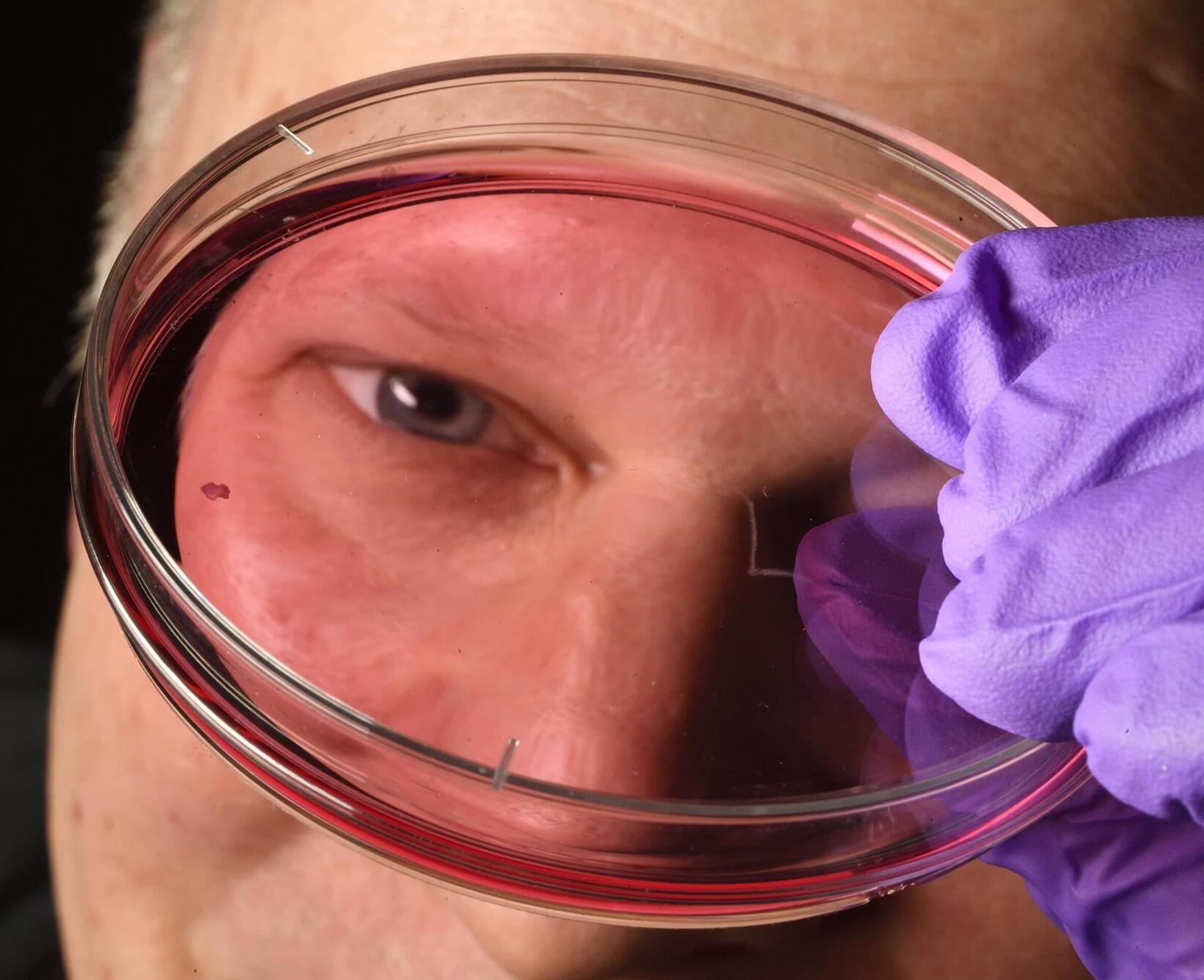
Humans develop sharp vision during early fetal development thanks to an interplay between a vitamin A derivative and thyroid hormones in the retina, Johns Hopkins University scientists have found. The findings could upend decades of conventional understanding of how the eye grows light-sensing cells and could inform new research into treatments for macular degeneration, glaucoma, and other age-related vision disorders. Details of the study, which used lab-grown retinal tissue, are published today in Proceedings of the National Academy of Sciences.

“This is a key step toward understanding the inner workings of the center of the retina, a critical part of the eye and the first to fail in people with macular degeneration,” said Robert J. Johnston Jr., an associate professor of biology at Johns Hopkins who led the research. “By better understanding this region and developing organoids that mimic its function, we hope to one day grow and transplant these tissues to restore vision.”

/* */