Painful.
Stricter standards could wipe out as many as 90% of the industry’s 200-plus fledgling manufacturers.

Using tech to stop terrorists dirty bombs.
DARPA’s SIGMA program undergoes real-world testing with state, federal and international partners to defend against radiological threats.
A DARPA program aimed at preventing attacks involving radiological “dirty bombs” and other nuclear threats has successfully developed and demonstrated a network of smartphone-sized mobile devices that can detect the tiniest traces of radioactive materials. Combined with larger detectors along major roadways, bridges, other fixed infrastructure, and in vehicles, the new networked devices promise significantly enhanced awareness of radiation sources and greater advance warning of possible threats.
The demonstration of efficacy earlier this year was part of DARPA’s SIGMA program, launched in 2014 with the goal of creating a cost-effective, continuous radiation-monitoring network able to cover a large city or region. Although radiation detectors have in recent years been installed in a number of key locations in the United States and around the world, the SIGMA program has sought to increase capabilities while lowering their costs, in order to network an unprecedented number of advanced detectors and provide a comprehensive, dynamic, and automated overview of the radiological environment.

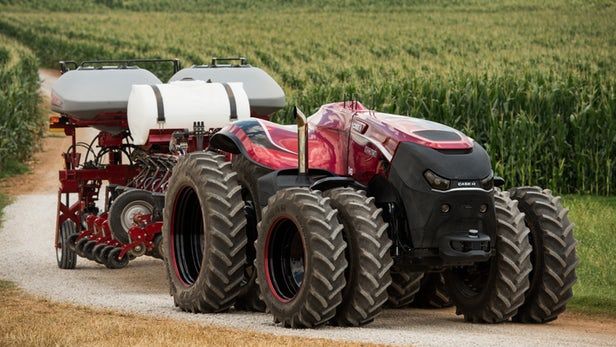
There’s been a lot of focus on consumer self-driving technology recently, but autonomy promises to shake things up in the agricultural world too. CNH Industrial’s latest concepts aim to demonstrate how self-driving tractors can deliver faster, more precise results than their human controlled counterparts.

Audi’s upcoming four-door luxury electric car will have a 311-mile range, along with Level 4 self-driving features (essentially full autonomy, for those keeping track) and three separate electric motors, according to a new report from Autocar. The car is set to go head-to-head with the Model S, based on these new stats, and will likely be called the “A9 e-tron” when it goes on sale sometime in 2020, the publication says.
The range is in line with what Tesla says its new P100D option package will offer for Model S owners, though Autocar says that the Audi A9 e-tron will have a 95kWh battery to achieve that range, rather than the 100kWh version Tesla employs to get 315 miles as measured by EPA standards.
The powertrain for the upcoming vehicle is said to feature three electric motors that combined produce 429 brake horsepower (bhp), with a drive mode that can boost it to 496 bhp for short stints. Audi is looking at electric drivetrain tuning as one way where it will be able to offer a differentiating advantage to potential consumers.
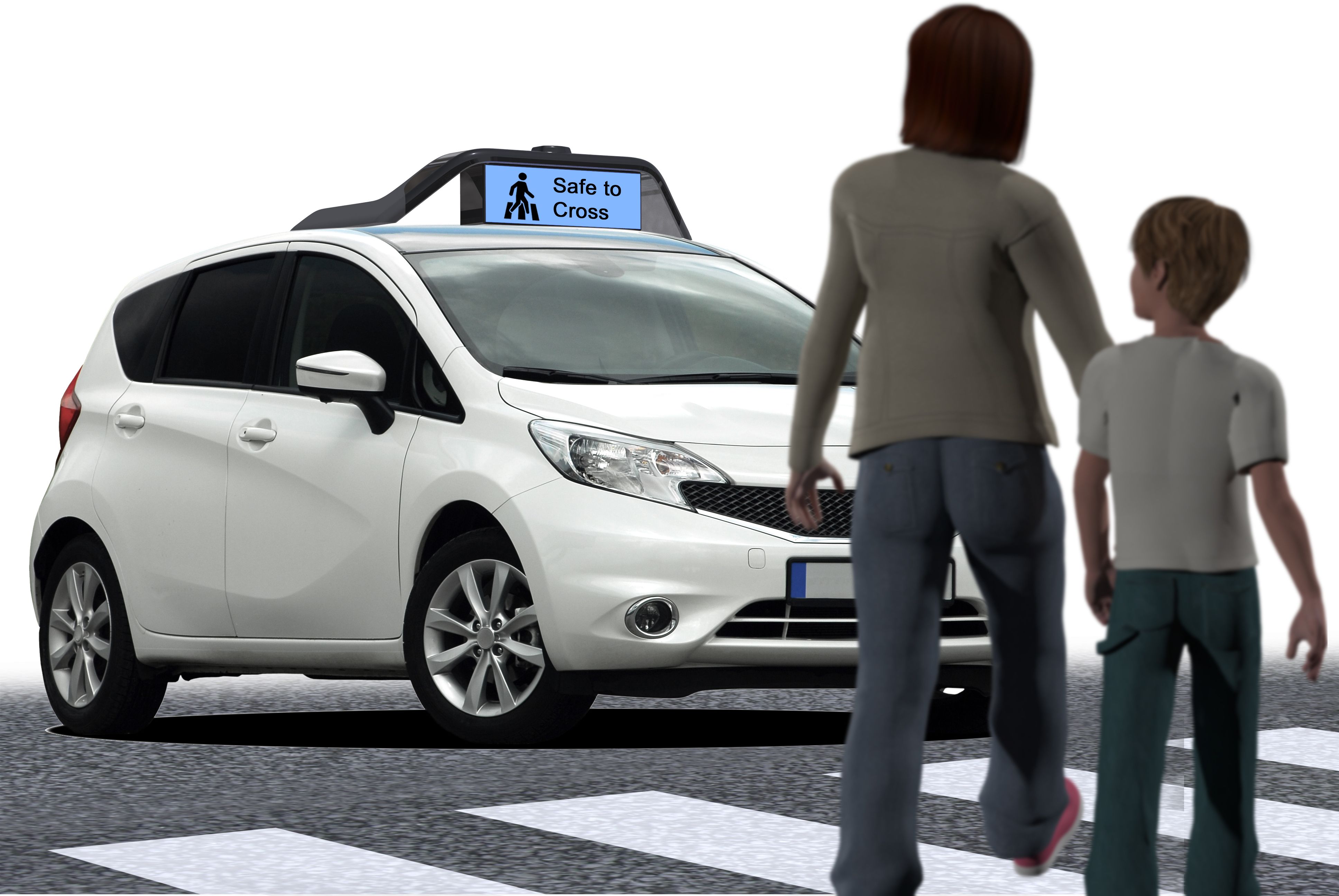

The imminent arrival of the self-driving car will change how people move around city streets, but they could do so much more.
The Tridika is a conceptual driverless electric vehicle I created to change how we use cars in our ever-growing cities, where space is expensive and limited. Inspired by Thyssenkrupp’s Willy Wonka-esque Multi elevator, the Tridika works like a self-driving car you can literally park next to your apartment and use as an additional room.
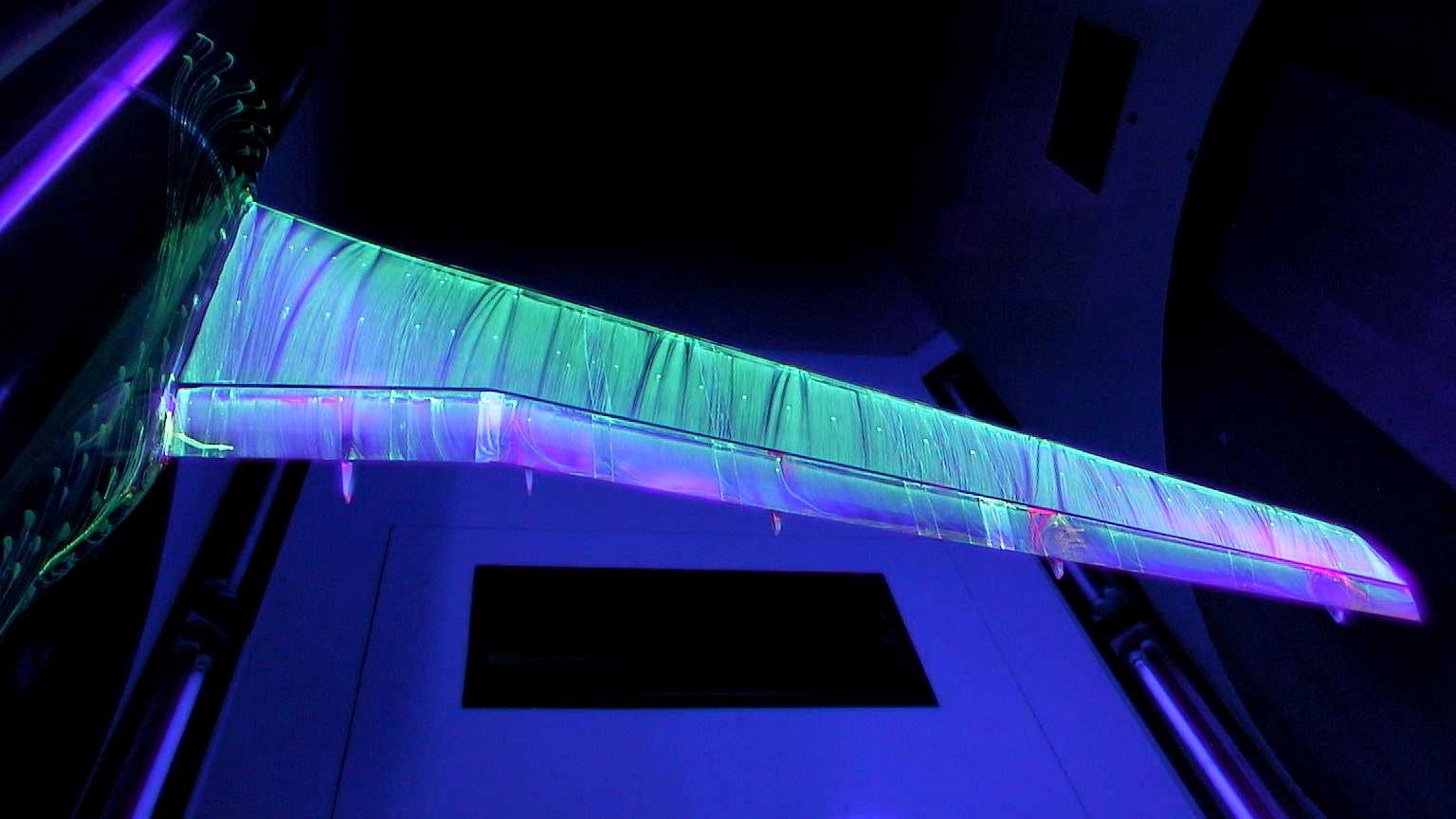

Elon Musk, Tesla Motors CEO, is alluding to a big announcement about level 4 autonomy later this year. For now though, the technology is still in need of software improvements.
Tesla Motors has been starring in headlines recently, thanks to crashes attributed to the autopilot system, the announcement of the ambitious Master Plan, and the company’s acquisition of SolarCity. Now, Elon Musk, the company’s CEO, is attracting even more media attention.
When asked about Tesla’s progress toward Level 4 fully autonomous driving on a conference call, Musk teased, “what we’ve got will blow people’s minds, it blows my mind …it’ll come sooner than people think.”
European Commission Vice -President Andrus Ansip, responsible for the Digital Single Market, and Commissioner Günther H. Oettinger, in charge of the Digital Economy and Society, welcome today’s publication of guidelines on EU net neutrality rules by the Body of European Regulators for Electronic Communications (BEREC). The publication of these guidelines was foreseen in the Regulation on the first EU-wide net neutrality rules which was agreed by the European Parliament and Council last year (press release) and which has applied in all EU Member States since 30 April 2016. The Commission has worked closely with BEREC on the preparation of the guidelines.
Vice-President Ansip and Commissioner Oettinger said:
“Today’s guidelines provide detailed guidance for the consistent application of our net neutrality rules by national regulators across the EU. They do not alter the content of the rules in place which guarantee the freedom of the internet by protecting the right of every European to access internet content, applications and services without unjustified interference or discrimination. Our rules, and today’s guidelines, avoid fragmentation in the single market, create legal certainty for businesses and make it easier for them to work across border. They also ensure that the internet remains an engine for innovation and that advanced technologies and Internet of Things services like connected vehicles as well as 5G applications are developed today, and will flourish in the future. We are pleased with the intensive engagement with stakeholders in the preparation of the guidelines, which contributed to their quality.