Toggle light / dark theme

RAM is so expensive, Samsung won’t even sell it to Samsung

More hints that the Singularity really has begun: and more importantly: https://arstechnica.com/space/2025/12/after-years-of-resisti…ublic-why/

The second article is how Elon is going to have SpaceX go public at $1.5 trillion so he has more money to put into AI. Of course, Elon is not the only one putting money into AI and $1 trillion will be spent on AI data centers next year.


Due to rising prices from the “AI” bubble, Samsung Semiconductor reportedly refused a RAM order for new Galaxy phones from Samsung Electronics.

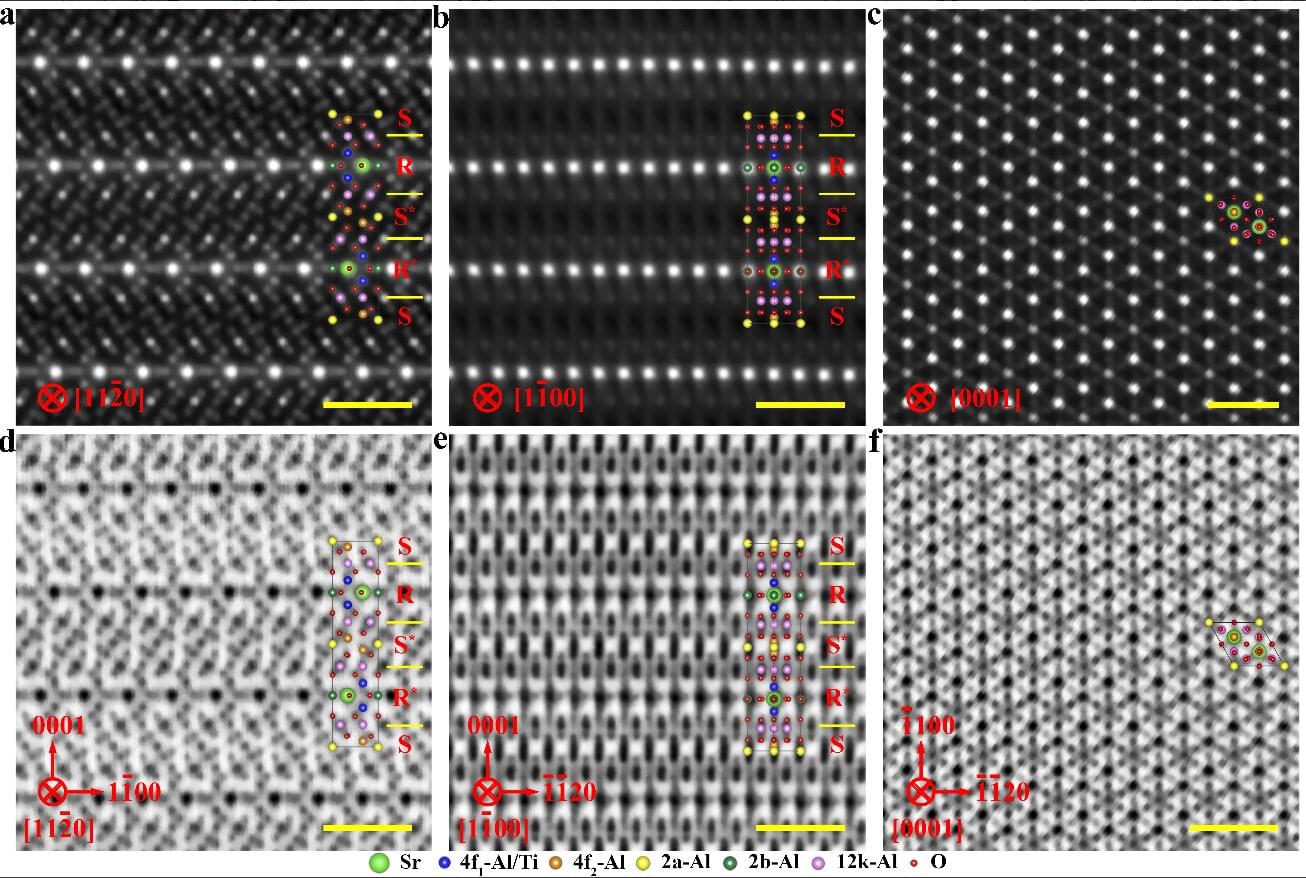
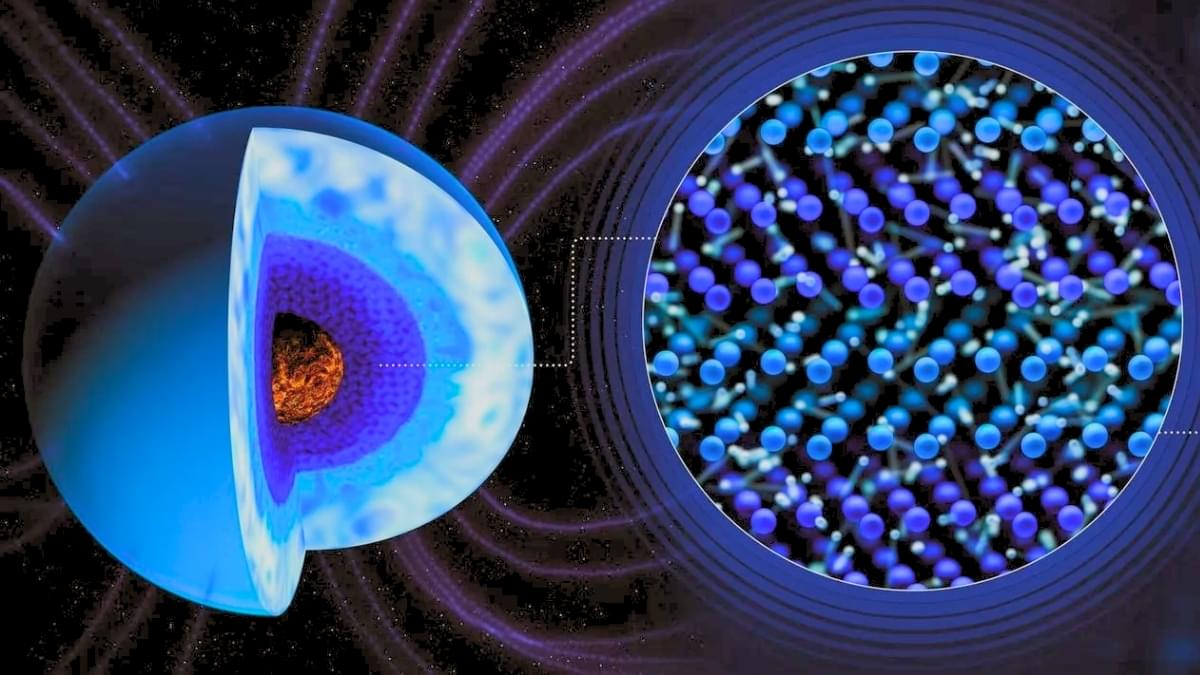
New state of quantum matter could power future space tech

A UC Irvine team uncovered a never-before-seen quantum phase formed when electrons and holes pair up and spin in unison, creating a glowing, liquid-like state of matter. By blasting a custom-made material with enormous magnetic fields, the researchers triggered this exotic transformation—one that could enable radiation-proof, self-charging computers ideal for deep-space travel.

SPACE4 Ukraine

There are a lot of great charities out there, including space. This is something different.

Imagine; Supporting space education. Giving children in the depths of a war hope and Permission to Dream. Laying the groundwork for an emerging democratic Space Nation by inspiring its children. In other words, doing something that might help the arc of history swing upwards — to the Stars!

In 2017, I traveled across Ukraine on a speaking tour. Even though the country was already at war, what I found wasn’t fear or despair — it was optimism. A fierce, almost defiant belief in the future and democratic values. I met hundreds of young Ukrainians, from teenagers gathered in tech cafés to little kids proudly showing me crayon drawings of the space stations and rockets they dreamed of building someday.

I think about those kids a lot now. I wonder how many of them are gone, how many never had the chance to grow into the engineers, artists, scientists, and explorers they were meant to be. It breaks my heart — and it also drives me to help the ones who are still here, still dreaming, still holding on to hope.

That’s why I launched SPACE4 Ukraine with my partner, Yuliya Kurokhtina — one of Ukraine’s leading business voices and a relentless philanthropist. Together, our mission is simple: give Ukrainian children direction, inspiration, and a reason to believe in their future. The same Permission to Dream that carried me through my own storms.

Most people don’t realize it, but Ukraine has a deep and remarkable space legacy. They helped build Sputnik. They designed the Zenit rockets. They powered Sea Launch. Their engineers remain among the best in the world. This legacy matters — not just historically, but as a beacon for their children: your future can be bigger than your present.

SPACE4 Ukraine is designed to be clear, direct, and transparent.

The case for an antimatter Manhattan project

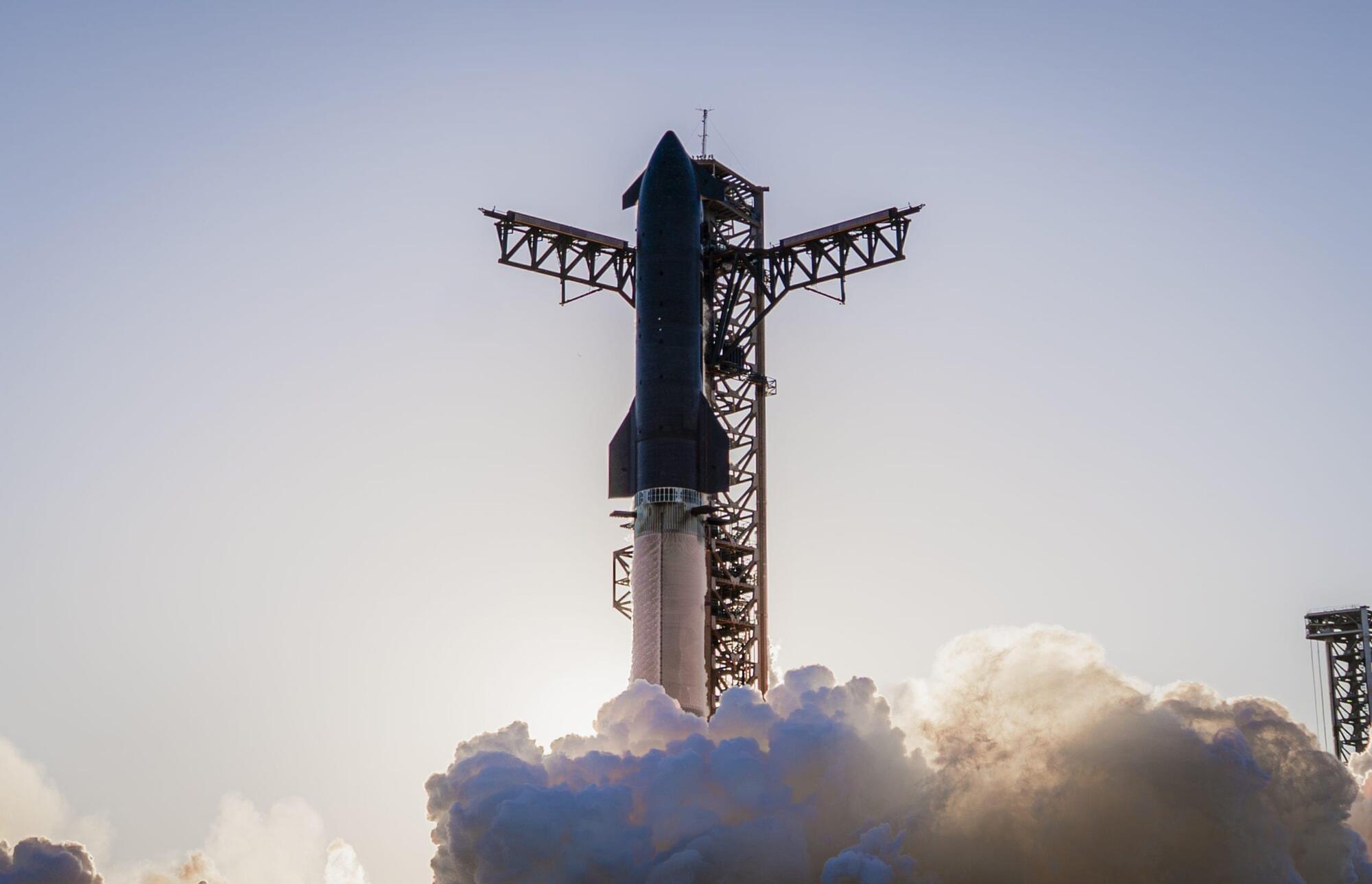
Chemical rockets have taken us to the moon and back, but traveling to the stars demands something more powerful. Space X’s Starship can lift extraordinary masses to orbit and send payloads throughout the solar system using its chemical rockets, but it cannot fly to nearby stars at 30% of light speed and land. For missions beyond our local region of space, we need something fundamentally more energetic than chemical combustion, and physics offers, or, in other words, antimatter.

When antimatter encounters ordinary matter, they annihilate completely, converting mass directly into energy according to Einstein’s equation E=mc². That c² term is approximately 10¹⁷, an almost incomprehensibly large number. This makes antimatter roughly 1,000 times more energetic than nuclear fission, the most powerful energy source currently in practical use.

As a source of energy, antimatter can potentially enable spacecraft to reach nearby stars at significant fractions of the speed of light. A detailed technical analysis by Casey Handmer, CEO of Terraform Industries, outlines how humanity could develop practical antimatter propulsion within existing spaceflight budgets, requiring breakthroughs in three critical areas; production efficiency, reliable storage systems, and engine designs that can safely harness the most energetic fuel physically possible.

Dynamic duo of bacteria could change Mars dust into versatile building material for first human colonists

Since humanity’s first steps on the moon, the aspiration to extend human civilization beyond Earth has been a central objective of international space agencies, targeting long-term extraterrestrial habitation. Among the celestial bodies within reach, Mars is considered our next home.

The red planet, with its stark landscapes and tantalizing similarities to Earth, beckons as the frontier of human exploration and settlement. But establishing a permanent foothold on Mars remains one of humanity’s boldest dreams and the most formidable scientific and engineering challenge.

The red planet, once draped in a thick atmosphere, has undergone dramatic transformation over billions of years. Its protective blanket vanished, leaving behind an environment nearly unrecognizable to terrestrial life.

WORLDCHANGING Space Energy Supercharges AI! What it means for Nvidia, Tesla and Other AI Companies

Elon Musk plans to launch solar-powered AI satellites that could provide a nearly limitless source of energy to supercharge AI processing capacity, potentially disrupting traditional energy production and benefiting companies like Nvidia and Tesla ## ## Questions to inspire discussion.

Space Solar Power Economics.

🚀 Q: What’s the projected cost trajectory for space-based solar power? A: SpaceX could achieve $10 per watt for space solar by 2030–2032, down from previously estimated $100 per watt, with ultimate target of $1 per watt for operational systems, requiring 3–4 orders of magnitude cost reduction through Wright’s Law.

💰 Q: How much would launching 1 terawatt of space solar cost? A: Launching 1 terawatt of space solar power requires $1 trillion in launch costs alone, not including manufacturing and operational expenses.

⚡ Q: What energy advantage does space solar have over ground-based systems? A: Space solar plants generate 10x more energy than ground-based sources by operating 24/7 with double intensity, each equivalent to a nuclear power plant in output.

SpaceX Launch Capacity and Timeline.

/* */