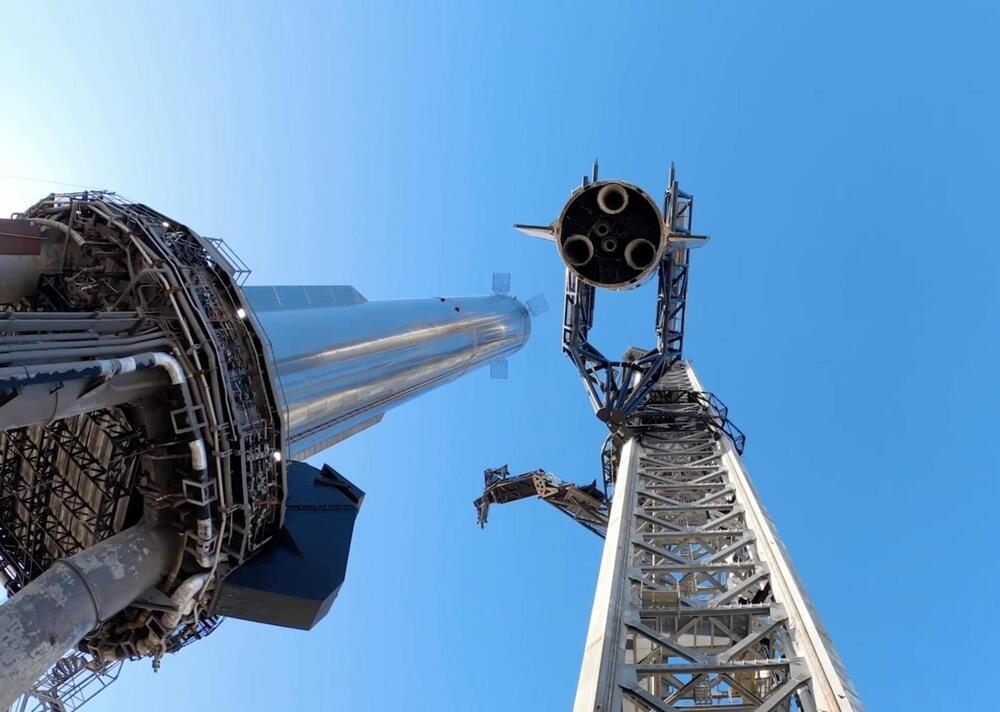
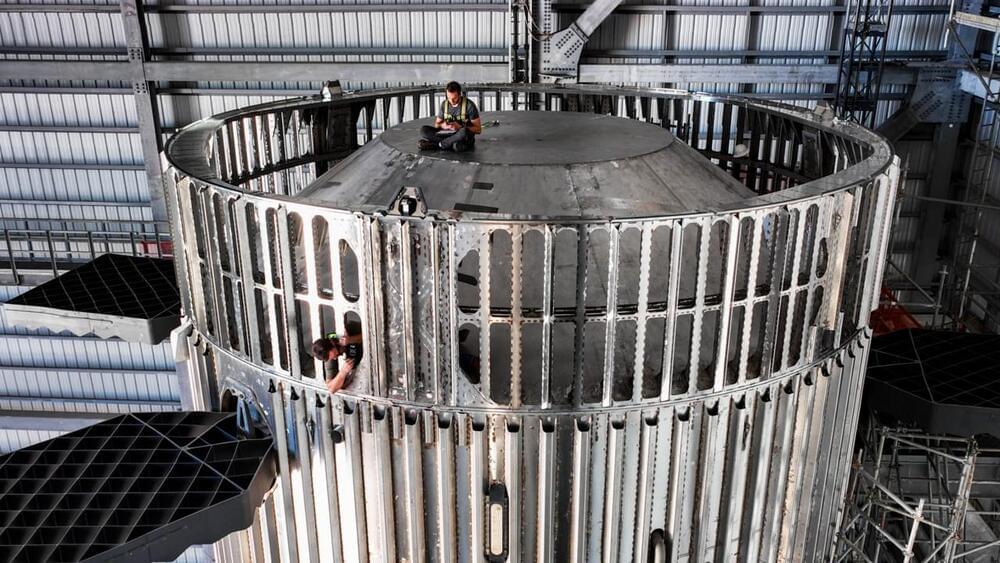
SpaceX’s Super Heavy Booster 9 prototype has rolled out to the launch site in preparation for a repeat of its pre-launch static fire test. This follows roughly two weeks after its first static fire attempt that ended prematurely at only half the expected duration. Work continues in parallel at Starbase to prepare Ship 25 for flight, which could occur in the next week or two, pending regulatory approval.
Future vehicles for Starship flights deep into next year are also in production. SpaceX is also in the midst of a major upgrade to its Starship production factory that will change the future look of the South Texas facility.
The International Space Station (ISS) is a large spacecraft in orbit around the Earth that serves as a research laboratory and spaceport for international collaboration in space exploration. It was launched in 1998 and has been continuously occupied by rotating crews of astronauts and cosmonauts from around the world since 2000. The ISS is a joint project of five space agencies: NASA (USA), Roscosmos (Russia), JAXA (Japan), ESA (Europe), and CSA (Canada). It orbits the Earth at an altitude of approximately 400 kilometers (250 miles), and provides a unique platform for scientific research, technological development, and human space exploration.
The race to space exploration has been heating up, with Elon Musk’s SpaceX making significant strides in the sector. The private company is valued at approximately $150 billion after a recent share sale by investors. Musk is speculated to own roughly 44% of the company.
The company reached an agreement with both new and existing investors to offer up to $750 million in stock from insiders at a price of $81 per share last month, valuing it at approximately $140 billion, according to a document sent by SpaceX Chief Financial Officer Bret Johnsen.
The latest share price reflects a rise of approximately 5% compared to its previous secondary sale at $77 per share. But Musk does not “anticipate needing to raise funding in the near future” and is expected to opt for secondary sales to bolster and incentivize employee and insider ownership in the company.
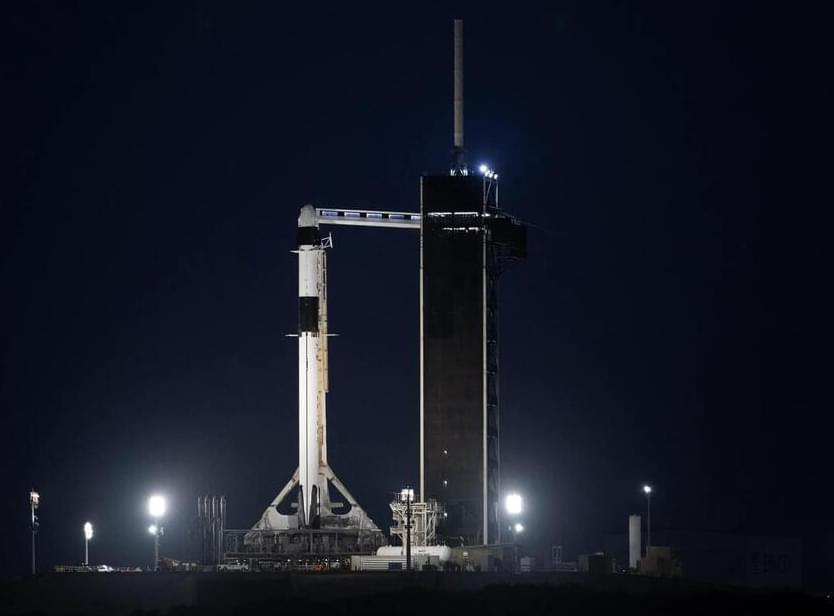
Following the Flight Readiness Review (FRR), NASA and SpaceX gave the go for Crew 7. The launch is scheduled for August 25th at 3:49 a.m. ET (07:49 UTC).
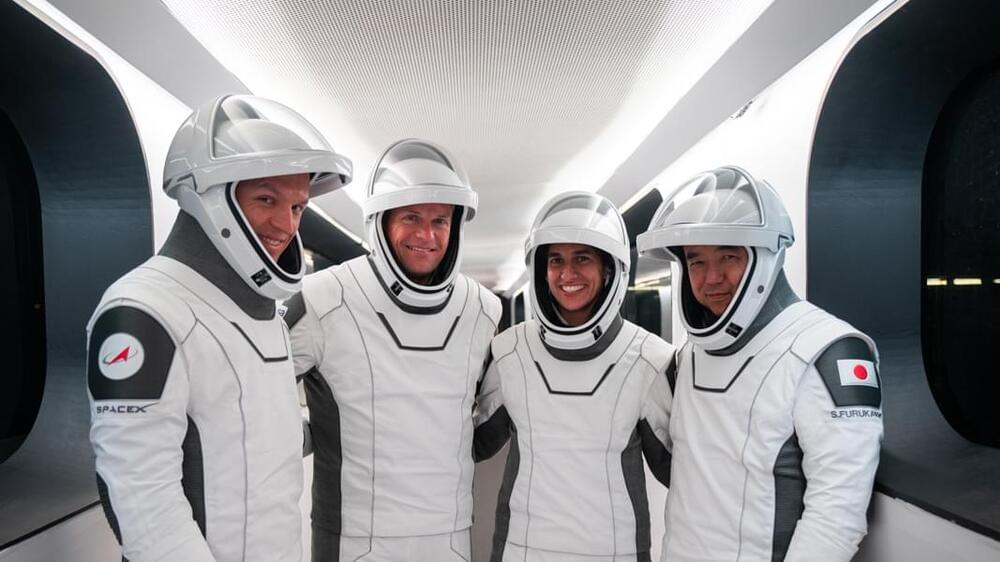
This mission will bring three astronauts and one cosmonaut to the International Space Station for a stay of around six months to perform experiments and conduct maintenance aboard the orbiting outpost.
After the FRR was complete, a full launch day rehearsal was carried out in which the crew was fully suited and driven to Launch Complex 39A, where they boarded Crew Dragon Endurance. The crew and mission control simulated a full countdown in order to familiarize themselves one last time before launch day.
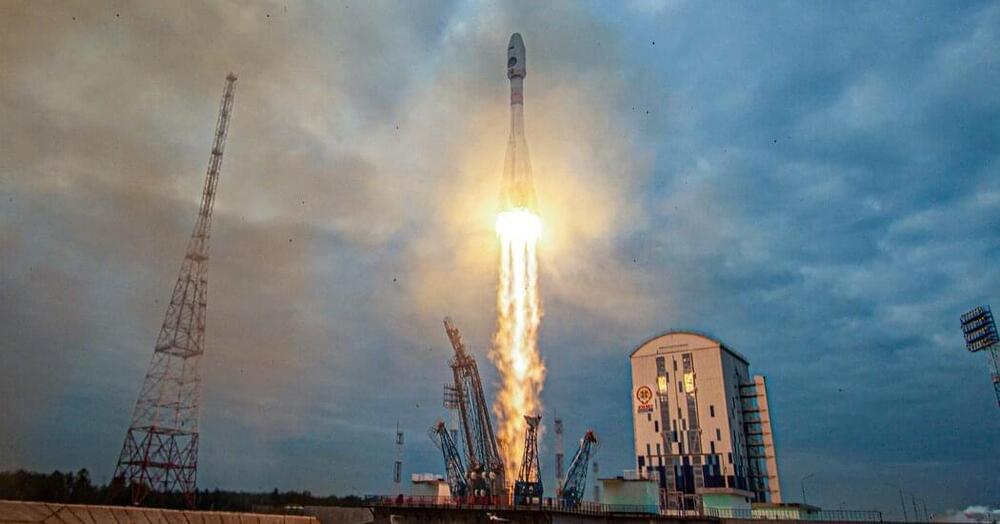
After Russia’s Luna-25 spacecraft crashed, all eyes are on Chandrayaan-3 as India attempts to become the first nation to land on the moon’s south pole.
SpaceX recently installed the new hot staging ring atop Booster 9 that will attempt this new stage separation method.
The hot staging ring has gone through its own test campaign, including being connected to the “can crusher,” which simulates stresses on the rocket during liftoff and, having passed that test, was then installed.
Hot staging is when the 2nd stage, in this case, Starship, ignites its engines while still connected to then pull away from Booster 9, which will also still be firing some of its own engines but with those throttled down. The hot staging method isn’t a new idea, as it has been used by Russian rockets for years now and also by older American rockets such as the Titan II.
Have you ever wanted to own a flying car? Well, the future might just be bright for you as the latest developments out of US-based Jetoptera are bringing us one step closer to your sci-fi fantasy being a reality.
Jetoptera and their extended line of fluidic propulsion-powered aircraft are revolutionizing the world of bladeless aviation options. Their technology is decades ahead of our current helicopter and aircraft designs, and many are buzzing about the opportunity to use this propulsion system in everything from drones, military spacecraft, and even personal transportation. Jetoptera still has a long way to go before they are ready for consumers, but that doesn’t stop us from taking a closer look and dreaming of the future of flight and travel.
Consider Subscribing for more awesome new tech videos.
While the current Oppenheimer blockbuster film focused on the destructive power of nuclear weapons, more peaceful uses of atomic propulsion for space exploration are now gaining once again momentum. ROB COPPINGER reports.
Nuclear fission and fusion power propulsion are under investigation in Europe and the US with an in-space engine demonstration planned by 2027 — with the news last month that Lockheed Martin had been selected to develop a nuclear thermal propulsion system for DARPA’s DRACO programme (see below).
Nuclear propulsion is attractive as it is far more efficient and powerful than conventional chemical rocket engines – with nuclear thermal propulsion (NTP) having twice the propellant efficiency of chemical rockets. SpaceX plans to use its Starship Heavy rocket, propelled by liquid oxygen and methane, to take Elon Musk’s colonists to Mars. NASA’s decades of research have also concluded that NTP is the best choice for crewed missions to the red planet with its Human Exploration of Mars Design Reference Mission 5.0, published in 2009, making clear NTP’s advantages. With NTP, a propellant, liquid hydrogen, is propelled by the heat from a nuclear reactor. It offers a high thrust-to-weight ratio around 10,000 times greater than nuclear electric propulsion (NEP) and two-to-five times greater specific impulse than in-space chemical propulsion.