Toggle light / dark theme

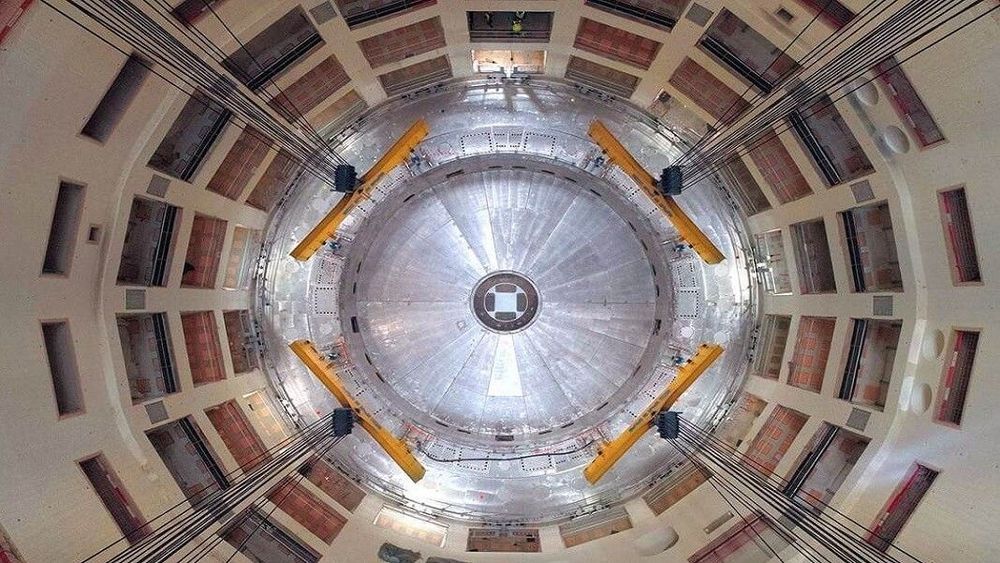
Construction of the World’s Biggest Nuclear Fusion Plant Just Started in France

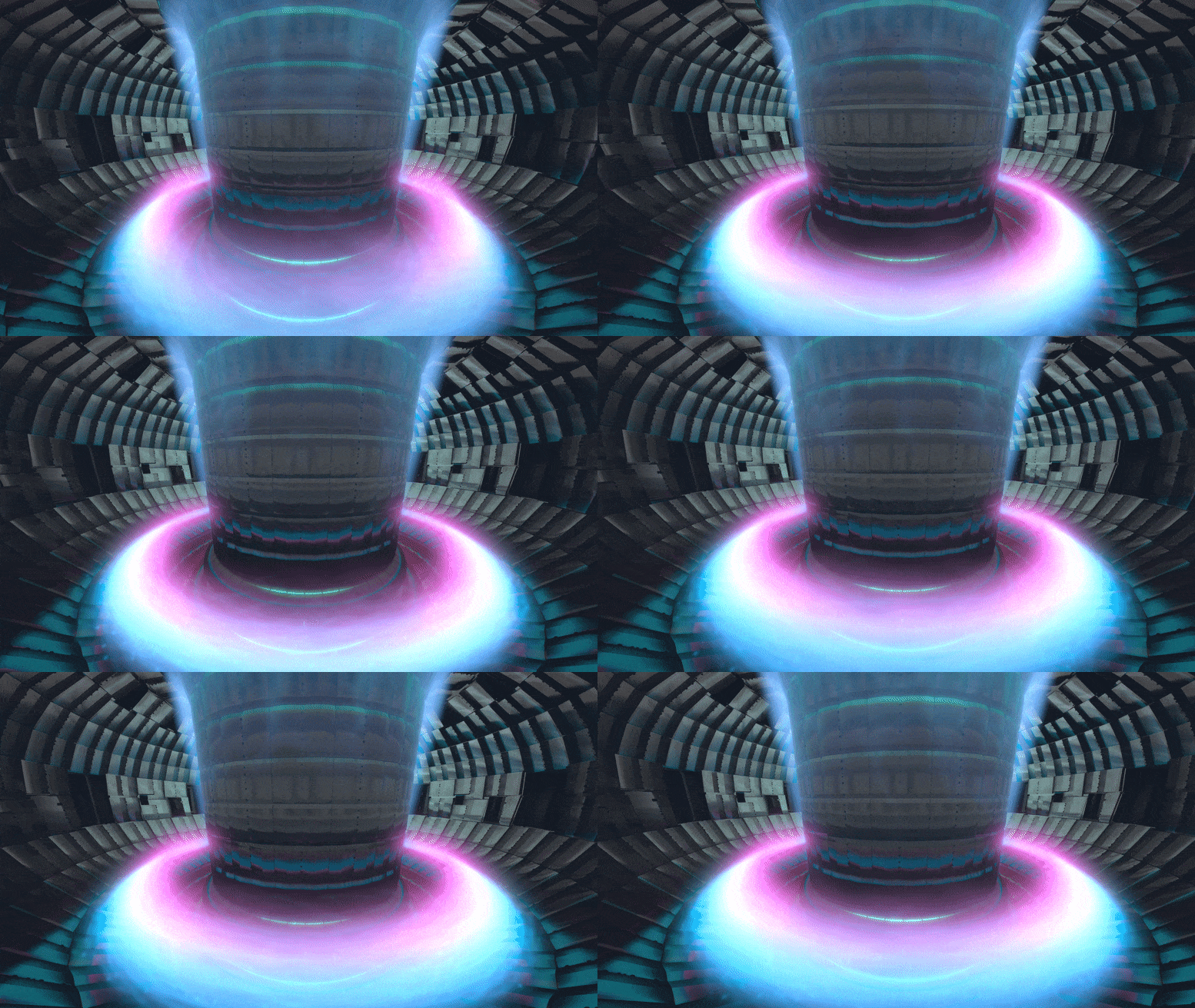
Over the past five years factories, universities, and national laboratories all over the world have been working to build the components for the plant, some of which weigh several hundred tons, including a magnet powerful enough to lift an aircraft carrier. It will take another five years to piece all the parts together and get the reactor ready for its first test run.

“Constructing the machine piece by piece will be like assembling a three-dimensional puzzle on an intricate timeline,” director-general of ITER Bernard Bigot said in a press release. “Every aspect of project management, systems engineering, risk management, and logistics of the machine assembly must perform together with the precision of a Swiss watch.”

The hope is that by 2025 the plant will be able to produce “first plasma,” a test designed to make sure the reactor works; the test will produce roughly 500 megawatts of thermal power. It will be another decade until the plant is expected to produce enough energy to be commercially viable, though. That will involve building an even larger plasma chamber to provide 10–15 times more electrical power.
UAE starts first nuclear reactor at controversial Barakah plant

Barakah, which was originally scheduled to open in 2017, has been dogged by delays and is billions of dollars over budget. It has also raised myriad concerns among nuclear energy veterans who are concerned about the potential risks Barakah could visit upon the Arabian Peninsula, from an environmental catastrophe to a nuclear arms race.


Experts have raised concerns about potential risks Barakah plant could pose to the environment and regional security.

That time a Boy Scout built a nuclear reactor out of common household items

O,.o!


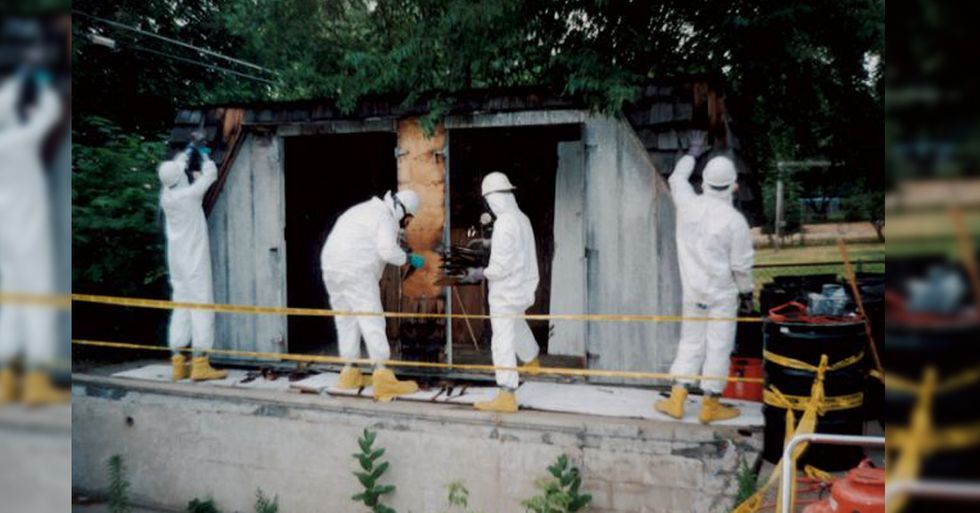
Imagine looking out your window to see an eerie green glow resonating from your neighbor’s shed. Or seeing government trucks being loaded with barrels marked radioactive by men dressed in hazmat suits outside your home.

The residents of Golf Manor, Michigan, don’t have to imagine it, because in 1995, a young teenage boy built a nuclear breeder reactor in his mother’s potting shed, an idea he came up with while working on his Atomic Energy merit badge in attempt to earn Eagle Scout status.

Fusion Energy Era: ITER Assembly Begins

Fusion: Future source of carbon-free, abundant, safe and economic energy; Leaders of EU, France, China, India, Japan, Korea, Russia & US make announcement together.

French President Emmanuel Macron and leaders from the European Union, China, India, Japan, Korea, Russia, and the United States declare the start of a new energy era today with the official start of the assembly of the world’s largest fusion device at ITER in Southern France.

The ITER machine, the world’s largest science project, is being assembled to replicate the fusion power of the Sun that provides light and warmth and enables life on Earth.

Thorcon, Defense Ministry to cooperate on thorium nuclear reactor

Thorcon said it would provide technical support to the ministry’s research and development (R&D) body to develop “a small-scale TMSR reactor under 50 megawatts (MW)”, the company wrote in a statement on Friday, Jul. 24.

“[This will] strengthen national security in the outermost, frontier and least developed regions,” reads the company’s statement.

In a separate statement on Jul. 22, the Defense Ministry said the deal would help it accomplish its 2020–2024 strategic plan but did not mention a planned capacity.

Mould from Chernobyl nuclear reactor tested as radiation shield on ISS

A radiation-absorbing fungus found at the destroyed Chernobyl nuclear reactor has been shown to absorb harmful cosmic rays on the International Space Station, and could potentially be used to protect future Mars colonies.

Exposure to cosmic rays poses a major health risk to astronauts leaving Earth’s protective atmosphere. Shields can be made out of stainless steel and other materials, but they must be shipped from Earth, which is difficult and costly.

Pivot to ‘green’: Russian gas & nuclear energy giants Gazprom and Rosatom to start producing ‘clean’ hydrogen

With much of the world planning to pivot away from oil and gas in the near future, the country’s government is looking ahead to a more diversified energy sector. The international ‘green’ trend is a significant threat to the Russian economy, which is at present largely dependent on the export of oil, gas, and coal. Starting from 2021, the government intends to build on the country’s reputation as a hydrogen supplier, aiming to make exports of the world’s most abundant gas a large part of its energy sector.

U.S. Eyes Building Nuclear Power Plants on Mars, the Moon

“Small nuclear reactors can provide the power capability necessary for space exploration missions of interest to the Federal government,” the Energy Department wrote in the notice published Friday.

The Energy Department, NASA and Battelle Energy Alliance, the U.S. contractor that manages the Idaho National Laboratory, plan to hold a government-industry webcast technical meeting in August concerning expectations for the program.

The plan has two phases. The first is developing a reactor design. The second is building a test reactor, a second reactor be sent to the moon, and developing a flight system and lander that can transport the reactor to the moon. The goal is to have a reactor, flight system and lander ready to go by the end of 2026.

/* */