Toggle light / dark theme

Controlling electronics with light: Ultrafast lasers manipulate magnetite’s structure

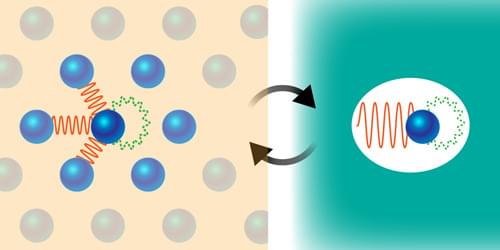
Researchers at EPFL have discovered that by shining different wavelengths (colors) of light on a material called magnetite, they can change its state, e.g., making it more or less conducive to electricity. The discovery could lead to new ways of designing new materials for electronics such as memory storage, sensors, and other devices that rely on fast and efficient material responses.

Hard Yet Stretchable: Scientists Create “Unbreakable” New Material

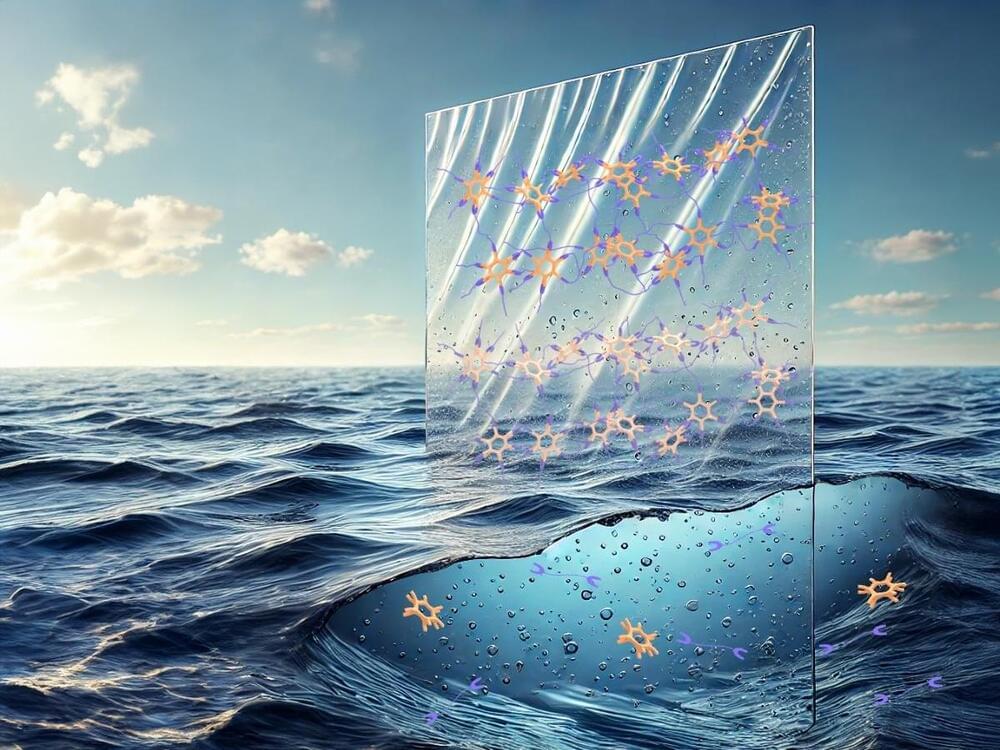
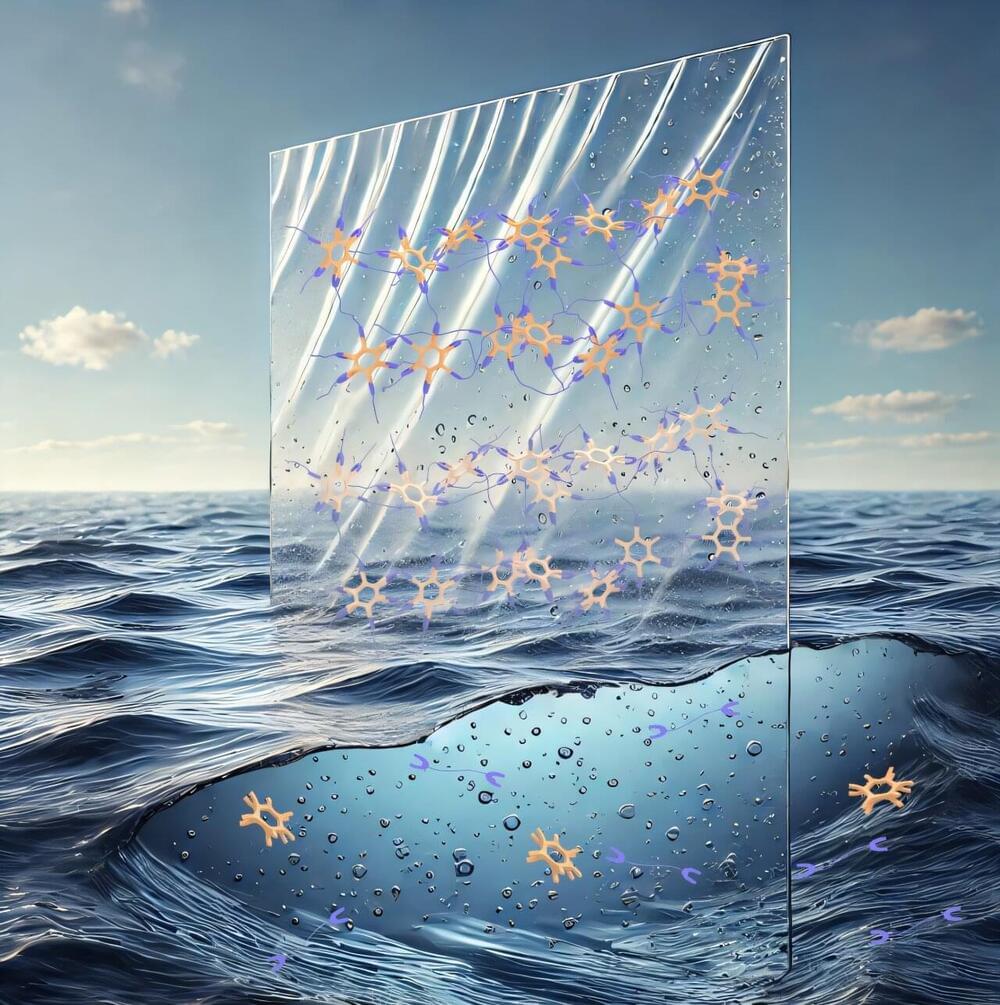
Researchers have created a new class of materials called “glassy gels” that are as hard as glassy polymers, but – if you apply enough force – can stretch up to five times their original length, rather than breaking. A key thing that distinguishes glassy gels is that they are more than 50% liquid, which makes them more efficient conductors of electricity than common plastics that have comparable physical characteristics. Credit: Meixiang Wang, NC State University.

Researchers have developed a new class of materials known as glassy gels, which combine the hardness of glassy polymers with the stretchability of gels.

These materials maintain over 50% liquid content, enhancing their elasticity and adhesive properties. The fabrication process involves mixing polymer precursors with an ionic liquid and curing with ultraviolet light, allowing for easy production and potential for widespread application in industries like electronics and medical devices.

Turning infrared light visible: New device uses 2D material to up-convert infrared light

The human eye can only see light at certain frequencies (called the visible spectrum), the lowest of which constitutes red light. Infrared light, which we can’t see, has an even lower frequency than red light. Researchers at the Indian Institute of Science (IISc) have now fabricated a device to increase or “up-convert” the frequency of short infrared light to the visible range.

/* */