Toggle light / dark theme

Telomeres Found To Encode Two Proteins, Potentially Transforming Cancer Research

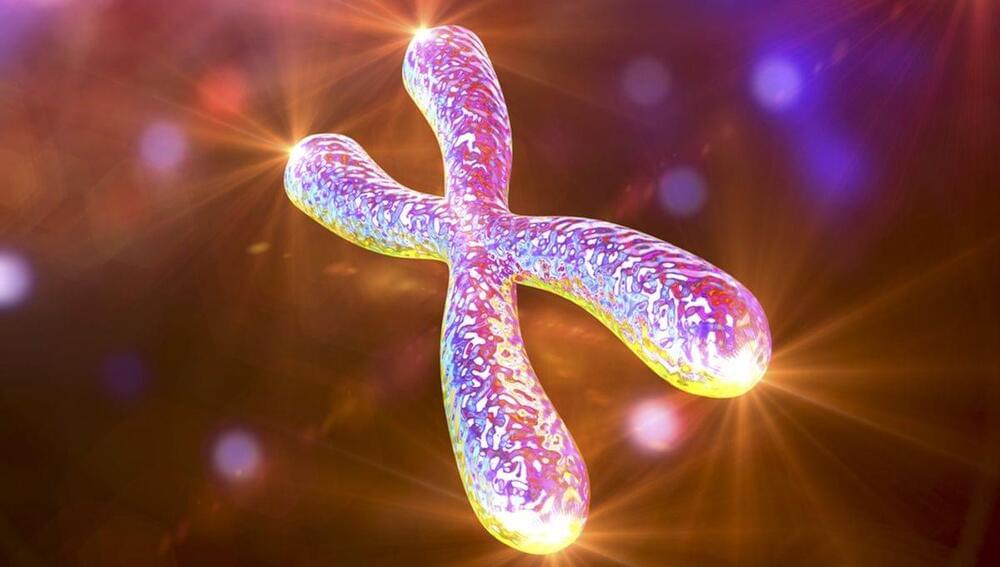
Telomeres – the protective caps at the tips of chromosomes – can encode two proteins, something that was previously thought impossible, new research has suggested. The discovery of genetic information coding for these proteins, one of which is elevated in some human cancers, could have huge ramifications for the fields of health, medicine, and cell biology.

“Discovering that telomeres encode two novel signaling proteins will change our understanding of cancer, aging, and how cells communicate with other cells,” study author Jack Griffith, the Kenan Distinguished Professor of Microbiology and Immunology at the University of North Carolina at Chapel Hill, said in a statement.

“Based on our research, we think simple blood tests for these proteins could provide a valuable screen for certain cancers and other human diseases,” Griffith, who is also a member of the UNC Lineberger Comprehensive Cancer Center, added. “These tests also could provide a measure of ‘telomere health,’ because we know telomeres shorten with age.”

Scientists make stunning discovery, find new protein activity in telomeres

Once thought incapable of encoding proteins due to their simple monotonous repetitions of DNA, tiny telomeres at the tips of our chromosomes seem to hold a potent biological function that’s potentially relevant to our understanding of cancer and aging.

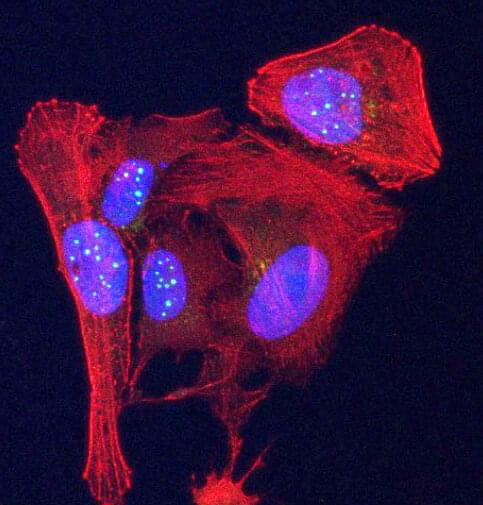
Reporting in the Proceedings of the National Academy of Sciences, UNC School of Medicine researchers Taghreed Al-Turki, Ph.D., and Jack Griffith, Ph.D., made the stunning discovery that telomeres contain to produce two small proteins, one of which they found is elevated in some human cells, as well as cells from patients suffering from telomere-related defects.

“Based on our research, we think simple blood tests for these proteins could provide a valuable screen for certain cancers and other human diseases,” said Griffith, the Kenan Distinguished Professor of Microbiology and Immunology and member of the UNC Lineberger Comprehensive Cancer Center. “These tests also could provide a measure of ‘telomere health,’ because we know telomeres shorten with age.”

Digital Immortality: When Will We Live Forever?

This video covers digital immortality, its required technologies, processes of uploading a mind, its potential impact on society, and more. Watch this next video about the world in 2200: https://bit.ly/3htaWEr.
► Support This Channel: https://www.patreon.com/futurebusinesstech.
► Udacity: Up To 75% Off All Courses (Biggest Discount Ever): https://bit.ly/3j9pIRZ
► Brilliant: Learn Science And Math Interactively (20% Off): https://bit.ly/3HAznLL
► Jasper AI: Write 5x Faster With Artificial Intelligence: https://bit.ly/3MIPSYp.

CHAPTERS
00:00 Required Technologies.
01:42 The Processes of Uploading a Mind.
03:32 Positive Impacts On Society.
05:34 When Will It Become Possible?
05:53 Is Digital Immortality Potentially Dangerous?

SOURCES:
• The Singularity Is Near: When Humans Transcend Biology (Ray Kurzweil): https://amzn.to/3ftOhXI
• The Future of Humanity (Michio Kaku): https://amzn.to/3Gz8ffA
https://www.scientificamerican.com/article/what-is-the-memory-capacity/
https://www.anl.gov/article/researchers-image-an-entire-mous…first-time.
https://interestingengineering.com/cheating-death-and-becomi…-uploading.

Official Discord Server: https://discord.gg/R8cYEWpCzK

💡 On this channel, I explain the following concepts:
• Future and emerging technologies.
• Future and emerging trends related to technology.
• The connection between Science Fiction concepts and reality.

SUBSCRIBE: https://bit.ly/3geLDGO

The Science of Living Forever (or a Really, Really Long Time)

“The inevitability of death is what makes life worth living.” — Henry.

“Would we need to extend the years everyone should continue to be in the workforce, in order to pay for those not contributing?” — Marianne.

“Imagine you have people with all the prejudices they grew up with and they never die. Or you have someone who is a dictator and they get to live forever and be dictator forever. Or you have Congress where you have 80 and 90 year olds holding office forever but now they never die so nobody new can take over.” — Avram.

REVERSE AGING — Sounds Too Good To Be True? | Dr David Sinclair Interview Clips

A couple minutes of your time for a little optimism.


Dr David Sinclair talks about no matter all the push backs and criticizes, he believes reverse aging therapy for human will be succeeded in this short clip.

David Sinclair is a professor in the Department of Genetics and co-director of the Paul F. Glenn Center for the Biology of Aging at Harvard Medical School, where he and his colleagues study sirtuins—protein-modifying enzymes that respond to changing NAD+ levels and to caloric restriction—as well as chromatin, energy metabolism, mitochondria, learning and memory, neurodegeneration, cancer, and cellular reprogramming.

Dr David Sinclair has suggested that aging is a disease—and that we may soon have the tools to put it into remission—and he has called for greater international attention to the social, economic and political and benefits of a world in which billions of people can live much longer and much healthier lives.

Dr David Sinclair is the co-founder of several biotechnology companies (Life Biosciences, Sirtris, Genocea, Cohbar, MetroBiotech, ArcBio, Liberty Biosecurity) and is on the boards of several others.

Chat GPT on Extending Healthy Lifespan and Epigenetic Cellular Rejuvenation.pdf

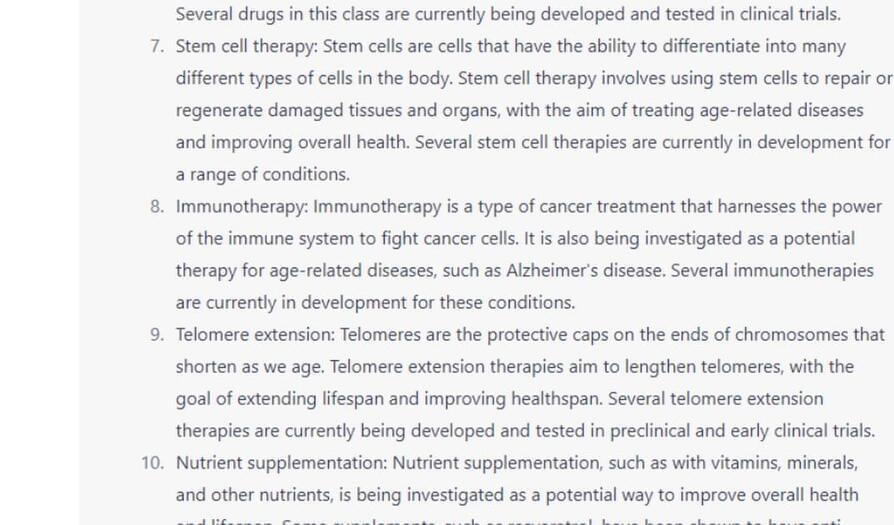
I wanted to test how well endowed is ChatGPT in the field of Longevity. For that matter I asked the following two questions: Which are the most promising therapies which are being developed to significantly extend healthy lifespan in humans using 4,000 characters (about maximum lenght to be readable in one page).

Which are the most promising therapies to achieve epigenetic cellular rejuvenation.

I created a two-page document in PDF with a screenshot of the responses for the two questions, so to show them exactly as they appeared in my laptop (no editing by me whatsoever).

Tricorder Tech: NIH Software Assembles Complete Genome Sequences On-demand

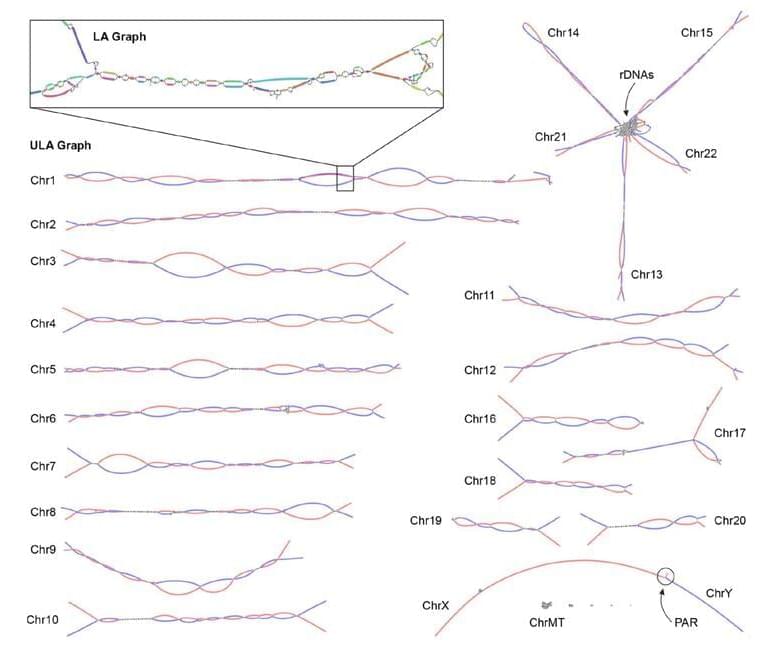
National Institutes of Health researchers have developed and released an innovative software tool to assemble truly complete (i.e., gapless) genome sequences from a variety of species.

This software, called Verkko, which means “network” in Finnish, makes the process of assembling complete genome sequences more affordable and accessible. A description of the new software was published today in Nature Biotechnology.

Verkko grew from assembling the first gapless human genome sequence, which was finished last year by the Telomere-to-Telomere (T2T) consortium, a collaborative project funded by the National Human Genome Research Institute (NHGRI), part of NIH.

SIRT6 is a key regulator of mitochondrial function in the brain

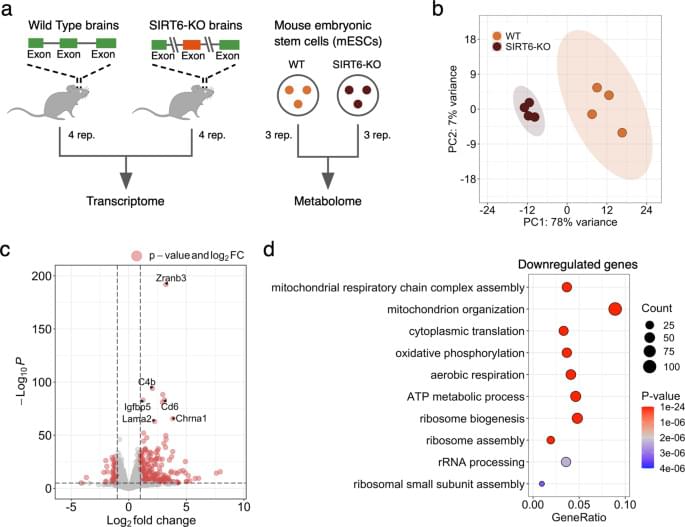
Though mitochondrial dysfunction is a known marker of aging and neurodegenerative diseases, the exact mechanism behind it remains unknown. Our study suggests that the decay of SIRT6 levels during aging [18] and in Alzheimer’s disease [18, 23, 46] could be a key mechanism causing the deterioration of mitochondrial functions. The changes induced by the SIRT6 knockout that we observe at the metabolite level support this claim: metabolites related to mitochondrial energy system pathways (in particular, OXPHOS and TCA cycle) are significantly overrepresented among differentially abundant metabolites. In line with the discussed mitochondrial dysfunction in aging, all these metabolites are downregulated in the SIRT6-KO samples. Importantly, the dramatic decline of one of them, NAD+, was also associated with pro-senescence mechanisms in various species [47, 48], as well as with limited neuroprotective activity of sirtuins [49].

Accordingly, the vast majority of differentially expressed mitochondria-related genes were downregulated in our gene expression analysis. As they were strongly enriched with mitochondrial respiratory chain complexes, we measured the mitochondrial membrane potential and mitochondrial content in SIRT6-KO cells because reduced gene expression might indicate the loss of mitochondria. Both measured characteristics were significantly decreased, validating the suggested impairment of mitochondrial oxidative phosphorylation and mitochondrial biogenesis in SIRT6-deficient brains. Interestingly, the average decrease of mtDNA gene expression (~19.7%) in SIRT6-KO was in good agreement with the corresponding reduction of mitochondrial content (21.8%), suggesting impaired mitochondrial biogenesis as a primary cause of the observed transcriptional dysregulation in mitochondria upon SIRT6 knockout.

Concordantly, the impaired membrane potential upon SIRT6-KO can be partially rescued by restoring SIRT3 and SIRT4 levels, which were significantly downregulated in SIRT6-deficient brains. Both of them are localized in mitochondria and impact mitochondrial pathways related to redox homeostasis and cellular metabolism [38] and have important roles in mitochondria metabolism ROS balance and lifespan [50,51,52]. The analysis of our and publicly available gene expression data [39] confirms that SIRT6 transcriptionally regulates SIRT3 and SIRT4. Our analysis further indicates that SIRT6 regulates mitochondrial gene expression through the transcription factor YY1. We have previously shown that SIRT6 and YY1 form a complex that regulates many shared target genes [24]. Our analysis of YY1 ChIP-seq data [53] suggests that SIRT6 and YY1 regulate mitochondrial processes coordinately.
/* */