Category: life extension – Page 240
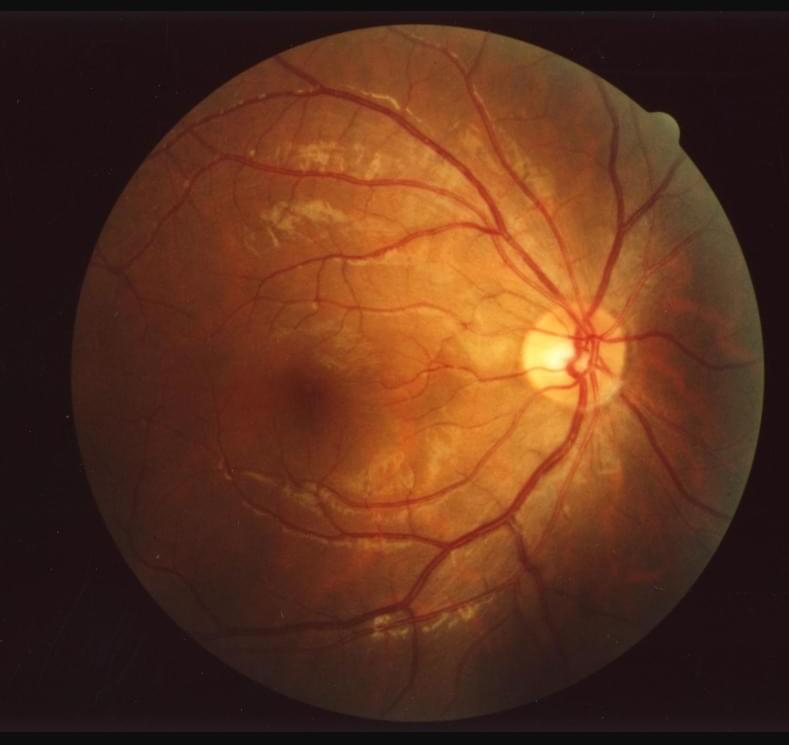
Deep-learning aging clock tracks human aging, detects eye and other diseases from retinal images
A team of biomedical researchers has developed a non-invasive, more accurate, and inexpensive “aging clock” for tracking and slowing human aging by examining retinal images and using trained deep-learning models of the eye’s fundus (the deepest area of the eye), using a new “eyeAge” system.
The researchers are affiliated with Buck Institute for Research on Aging, Google Research, Google Health, Zuckerberg San Francisco General Hospital, Post Graduate Institute of Medical Education, and Research (India), and University of California, San Francisco.
Tracking eye changes that accompany aging and age-related diseases: the eyeAge system.
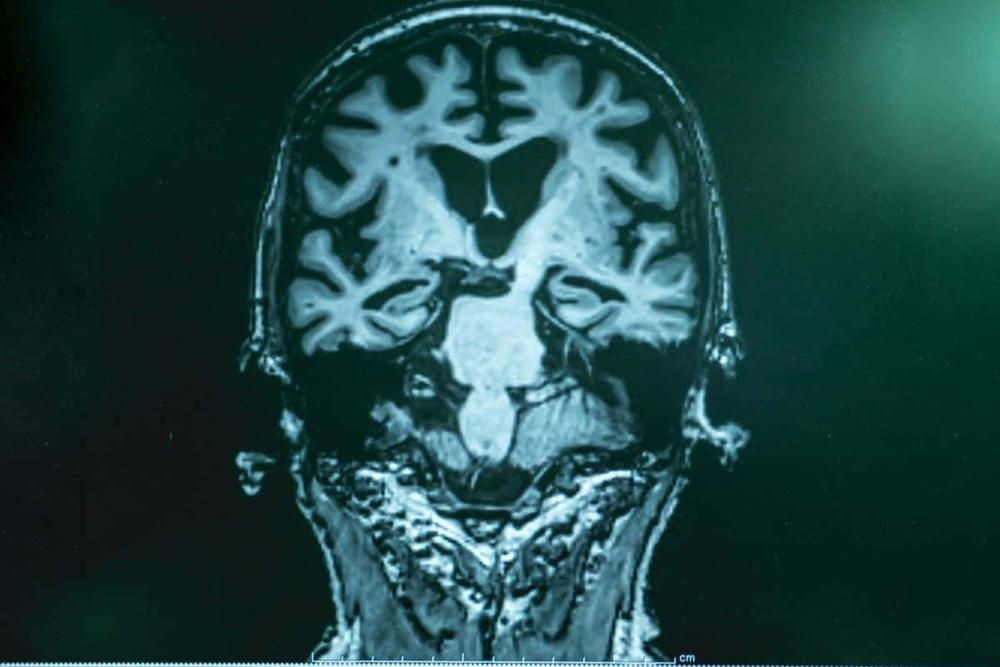

A Disease Reversal Therapy That No Body Try Before
Previously Fahy has reported as much as a 15 year epigenetic clock reset. Again though, this won’t get you beyond your maximum natural limit, but younger and healthier now leads to the next bridge.
Dr Greg Fahy talks about the thymus magic. What are the out of expectation benefits of reprogramming our thymus(Not TRIIM or TRIIM-X) in this short clip.
Gregory M. Fahy is a cryobiologist and biogerontologist, and is also Vice President and Chief Scientific Officer at Twenty-First Century Medicine, Inc. Fahy is the world’s foremost expert in organ cryopreservation by vitrification. Fahy introduced the modern successful approach to vitrification for cryopreservation in cryobiology and he is widely credited, along with William F. Rall, for introducing vitrification into the field of reproductive biology.
Fahy is also a well-known biogerontologist and is the originator and Editor-in-Chief of The Future of Aging: Pathways to Human Life Extension, a multi-authored book on the future of biogerontology. He currently serves on the editorial boards of Rejuvenation Research and the Open Geriatric Medicine Journal and served for 16 years as a Director of the American Aging Association and for 6 years as the editor of AGE News, the organization’s newsletter.
=*=*=*=*=*=*=*=*=*=*=*=*=*=*=*=*=*=*=*=*=*=*=*=*=*
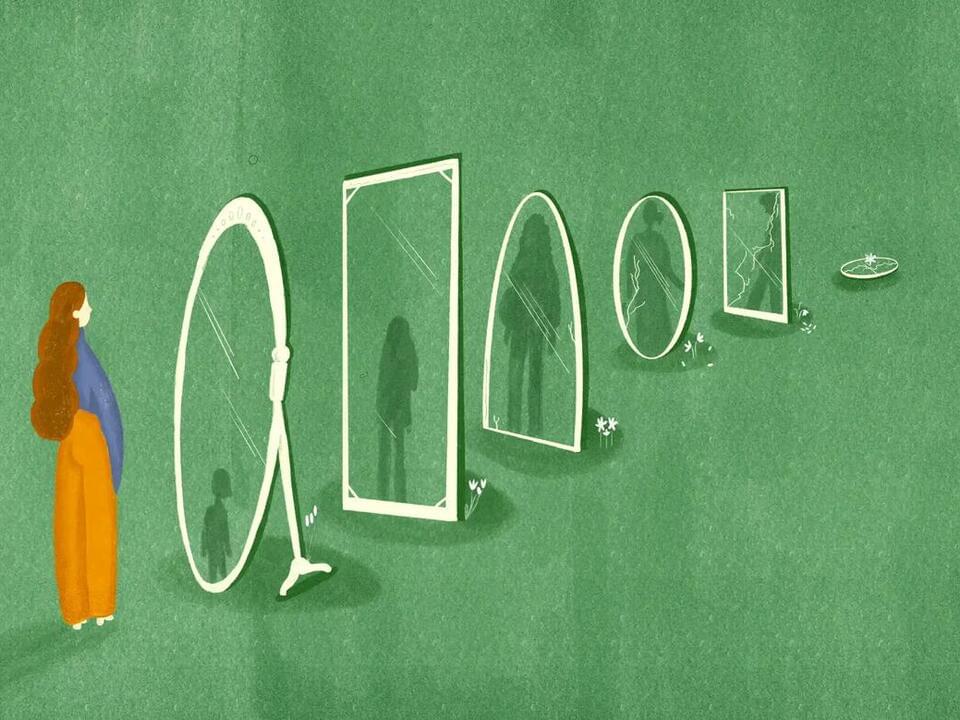
Ageing and the mortality alarm: ‘I started panicking about future me’
My mum was due to celebrate a century of life and looking forward to getting her card from the Queen. She’d been living in an aged-care facility which had been through multiple lockdowns due to Covid. Our family started preparations for her birthday party; “hold the date” cards were sent.
On Mum’s behalf, we applied to receive the birthday card from the Queen. But early one night, after another lockdown, my dad rang. “I don’t think she’ll make it to the weekend,” he said. “Come quickly.”
As it happens, she hung on for another 18 days. The palliative nurse explained to my family that this was a time of being, rather than doing. We tried to make Mum feel loved, comfortable and with as little pain as possible as her body prepared to die.

Immortality Is Going To Happen, Scientist Reveals When We’ll Live Forever And It’s Not Far Away
Futurist Ray Kurzweil is predicting that by 2030, microscopic gelbots in our bodies will make it possible to cure disease and live forever. You’re 40 years old, but you’re not Dwayne Johnson; it’s the time in life when your body doesn’t bounce back from a good workout as fast as it used to; when you eat a pizza, it sits with you for longer, and sleeping wrong could jumpstart a week of back pain.
The CryoPrize (The Organ Cryopreservation Prize)
http://cryoprize.info/
https://www.facebook.com/cryoprize.
PLEASE CLICK ON LINK TO DONATE: http://cryoprize.info 3 Minute video detailing our efforts to make organ transplants safer, less costly and more available to those in need by offering a prize, beginning at $50,000, to the first person or group to successfully freeze, and restore to full function, one of several mammalian organs.
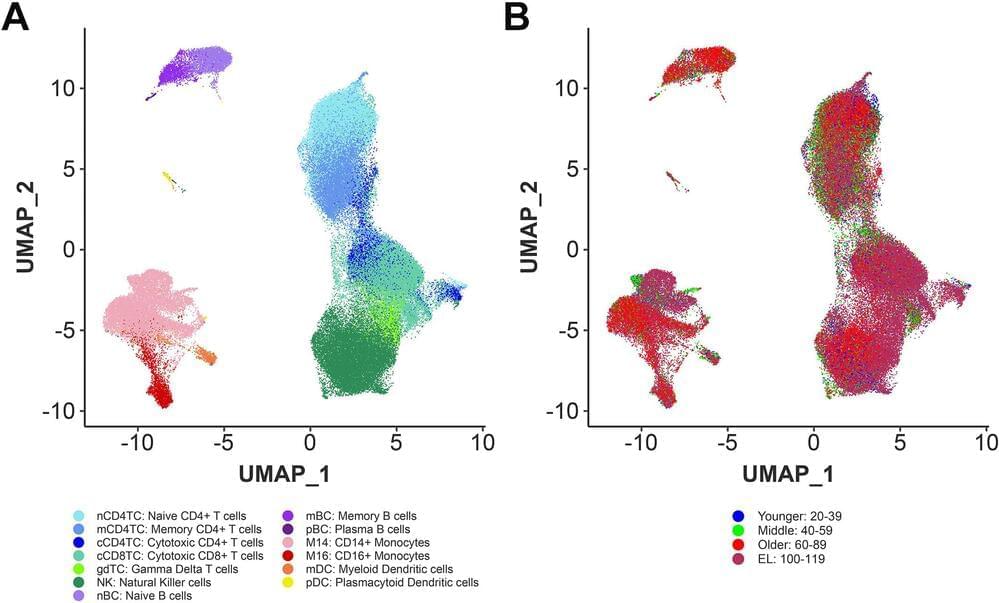
Study finds centenarians possess unique immunity that helps them achieve exceptional longevity
There are approximately 30 trillion cells in a human body and our health is predicated on them properly interacting with and supporting each other, with the immune system playing a particularly pivotal role. One of the defining characteristics of aging is a decline in the proper functioning of our immune system. Centenarians, a rare population of individuals who reach 100 years or more, experience delays in aging-related diseases and mortality which suggests their immune systems remain functional into extreme old age.
Led by researchers from Boston University Chobanian & Avedisian School of Medicine and Tufts Medical Center, a new study finds centenarians harbor distinct immune cell type composition and activity and possess highly functional immune systems that have successfully adapted to a history of sickness allowing for exceptional longevity. These immune cells may help identify important mechanisms to recover from disease and promote longevity.
“Our data support the hypothesis that centenarians have protective factors that enable to recover from disease and reach extreme old ages,” said lead author Tanya Karagiannis, Ph.D., senior bioinformatician, Center for Quantitative Methods and Data Science, Institute for Clinical Research and Health Policy Studies at Tufts Medical Center.
Could new riboswitch make gene therapy safer?
Turning genes on and off as easily and predictably as flicking a switch could be a powerful tool in medicine and biotech. A type of technology called a riboswitch might be the key. The Okinawa Institute of Science and Technology (OIST) in Japan, in collaboration with Astellas Pharma Inc., has developed a new toolkit that uses small molecules to control the activity of a piece of synthetic RNA, and ultimately regulate gene expression. The technology, which was described in the Journal of the American Chemical Society, worked in mammalian cell cultures and in mice.
The ability to precisely control whether a gene is turned on or off is expected to lead to more efficient production of compounds that are made using animal cells, and make gene therapy, cell therapy, and regenerative medicine safer.
For genes to be expressed, cells make many RNA copies of a section of DNA. These RNA copies, called transcripts, are then used to make the protein. This can lead to the introduction of additional genes (either as DNA or RNA) into cells, which can then be used to make new proteins for a wide variety of applications.