Toggle light / dark theme

Resurrection through simulation: questions of feasibility, desirability and some implications

Could a future superintelligence bring back the already dead? This discussion has come up a while back (and see the somewhat related); I’d like to resurrect the topic because … it’s potentially quite important.

Algorithmic resurrection is a possibility if we accept the same computational patternist view of identity that suggests cryonics and uploading will work. I see this as the only consistent view of my observations, but if you don’t buy this argument/belief set then the rest may not be relevant.

The general implementation idea is to run a forward simulation over some portion of earth’s history, constrained to enforce compliance with all recovered historical evidence. The historical evidence would consist mainly of all the scanned brains and the future internet.
A longevity researcher is facing backlash for claiming to ‘reverse aging.’ Scientists say there’s no consensus on what it means

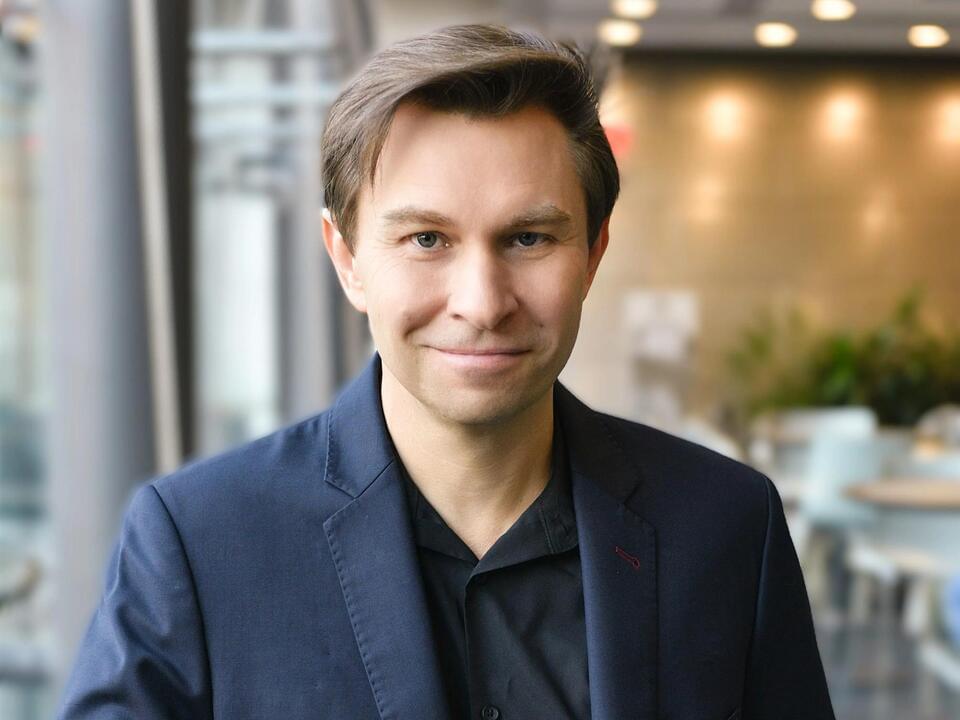
Harvard researcher Dr. David Sinclair has found himself at the center of controversy within the longevity community.

Sinclair has been a poster child of the longevity movement for years. He’s built several biotechnology companies focused on reversing the effects of aging, won acclaim for his research, and cultivated a loyal base of fans who swear by his lifestyle tips.

He’s also earned his share of critics who say his research isn’t always backed up by sufficient evidence. But over the past months, The Wall Street Journal reported that Sinclair has been battling a new level of backlash from colleagues and researchers who say his claims on curing aging have gone too far.

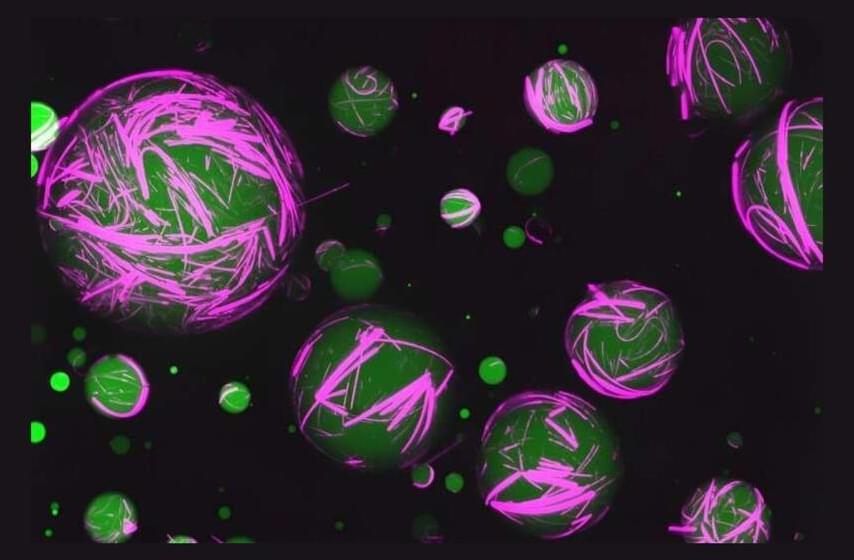
Researchers create artificial, modifiable cells with programmable DNA

Instead of creating materials that are made to last, Freeman says their materials are made to task — perform a specific function and then modify themselves to serve a new function.

This achievement holds significant promise for advancements in regenerative medicine, drug delivery methods, and diagnostic technologies.

“With this discovery, we can think of engineering fabrics or tissues that can be sensitive to changes in their environment and behave in dynamic ways,” states Freeman.

Common Blood Pressure Drug Increases Lifespan And Slows Aging in Animals

The hypertension drug rilmenidine has been shown to slow down aging in worms, an effect that in humans could hypothetically help us live longer and keep us healthier in our latter years.

Previous research has shown rilmenidine mimics the effects of caloric restriction on a cellular level. Reducing available energy while maintaining nutrition within the body has been shown to extend lifespans in several animal models.

Whether this translates to human biology, or is a potential risk to our health, is a topic of ongoing debate. Finding ways to achieve the same benefits without the costs of extreme calorie cutting could lead to new ways to improve health in old age.

Science is closing in on the frailties of old age

According to a big German study, those in middle or older age today have an elevated idea of “old” compared to previous generations.” This mirrors increases in life expectancy, especially for the better-off half of the population in rich countries.


Research is finding ways to extend animal lifespans but regulators are still wary of treating ageing as a disease.

Researchers uncover human DNA repair by nuclear metamorphosis

Researchers at the University of Toronto have discovered a DNA repair mechanism that advances understanding of how human cells stay healthy, and which could lead to new treatments for cancer and premature aging.

The study, published in the journal Nature Structural and Molecular Biology, also sheds light on the mechanism of action of some existing chemotherapy drugs.

“We think this research solves the mystery of how DNA double-strand breaks and the nuclear envelope connect for repair in human cells,” said Professor Karim Mekhail, co-principal investigator on the study and a professor of laboratory medicine and pathobiology at U of T’s Temerty Faculty of Medicine.

/* */