Toggle light / dark theme

Meet Ben Lamm

ITrust Capital: Use code IMPACTGO when you sign up and fund your account to get a $100 bonus at https://impacttheory.co/iTrustCapitalMay.
Shopify: Sign up for your one-dollar-per-month trial period at https://impacttheory.co/ShopifyApr.

On this mind-bending episode of Impact Theory, Tom Bilyeu sits down with Ben Lamm, the visionary entrepreneur behind Colossal Biosciences, to explore a world that sounds straight out of science fiction—yet is rapidly becoming our reality. Together, they pull back the curtain on the groundbreaking technology making de-extinction not only possible, but increasingly practical, from resurrecting woolly mammoths and dire wolves to saving endangered species and unraveling the secrets of longevity.

Ben explains how CRISPR gene editing has unlocked the power to make precise DNA changes—editing multiple genes simultaneously, synthesizing entirely new genetic blocks, and pushing the limits of what’s possible in biology and conservation. The conversation dives deep into the technical hurdles, ethical questions, and the unexpected magic of re-engineering life itself, whether it’s creating hairier, “woolly” mice or tackling the colossal challenge of artificial wombs and universal eggs.

But this episode goes way beyond Jurassic Park fantasies. Tom and Ben debate the future of human health, gene selection through IVF, the specter of eugenics, global competition in biotechnology, and how AI will soon supercharge the pace of biological engineering. They even touch on revolutionary solutions to our plastic crisis and what it means to inspire the next generation of scientists.

Get ready to have your mind expanded. This is not just a podcast about bringing back extinct creatures—it’s a deep dive into the next frontiers of life on Earth, the technologies changing everything, and the choices we’ll face as architects of our own biology. Let’s get legendary.

00:00 Meet Ben Lamm.
Engineered Vibrio natriegens strain boosts bioremediation of complex pollutants in harsh environments

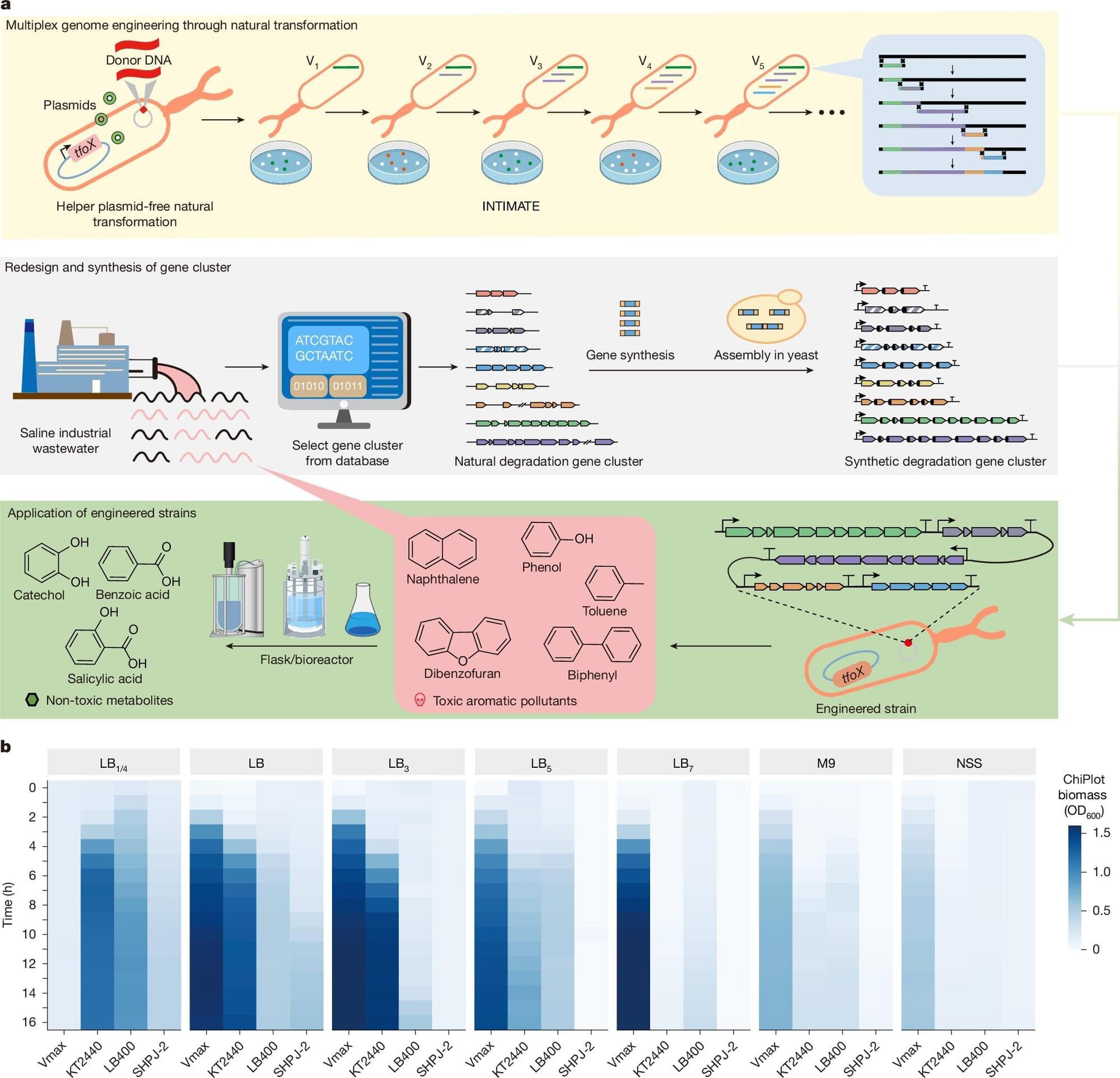
A multi-institutional collaboration of synthetic biology research centers in China has developed a genetically engineered strain of Vibrio natriegens capable of bioremediating complex organic pollutants, including biphenyl, phenol, naphthalene, dibenzofuran, and toluene, in saline wastewater and soils.

Complex are prevalent in industrial wastewater generated by petroleum refining and chlor-alkali processing. Due to their and resistance to natural degradation, these compounds persist in marine and saline environments, posing ecological risks and potential threats to public health.

Microbial bioremediation methods typically use consortia of wild-type bacterial strains, yet these organisms demonstrate limited capacity to degrade complex pollutant mixtures. Elevated salinity levels further inhibit bacterial activity, diminishing bioremediation efficacy in industrial and marine wastewater. Developing capable of degrading pollutants while tolerating saline conditions remains a critical challenge.

Study uncovers gene networks driving the development of distinct neuron subtypes in the human cerebral cortex

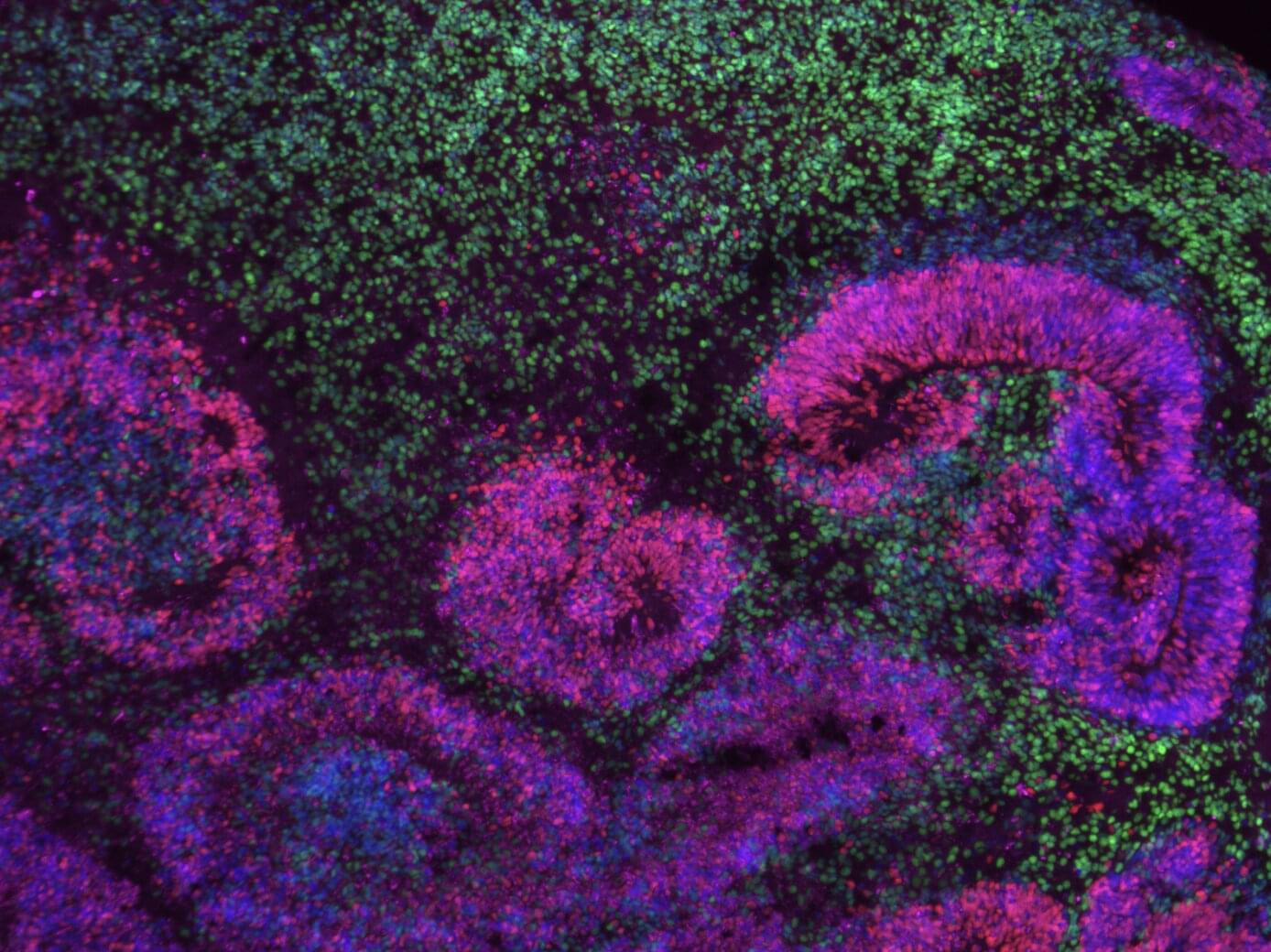
The human brain is known to contain a wide range of cell types, which have different roles and functions. The processes via which cells in the brain, particularly its outermost layer (i.e., the cerebral cortex), gradually become specialized and take on specific roles have been the focus of many past neuroscience studies.

Researchers at the University of California Los Angeles (UCLA) analyzed different datasets collected using single-cell transcriptomics, a technique to study in individual cells, to map the emergence of different cell types during the brain’s development.

Their findings, published in Nature Neuroscience, unveil gene “programs” that drive the specialization of cells in the human cerebral cortex.

The first genetic editing in spiders with CRISPR‐Cas yields colorful silk

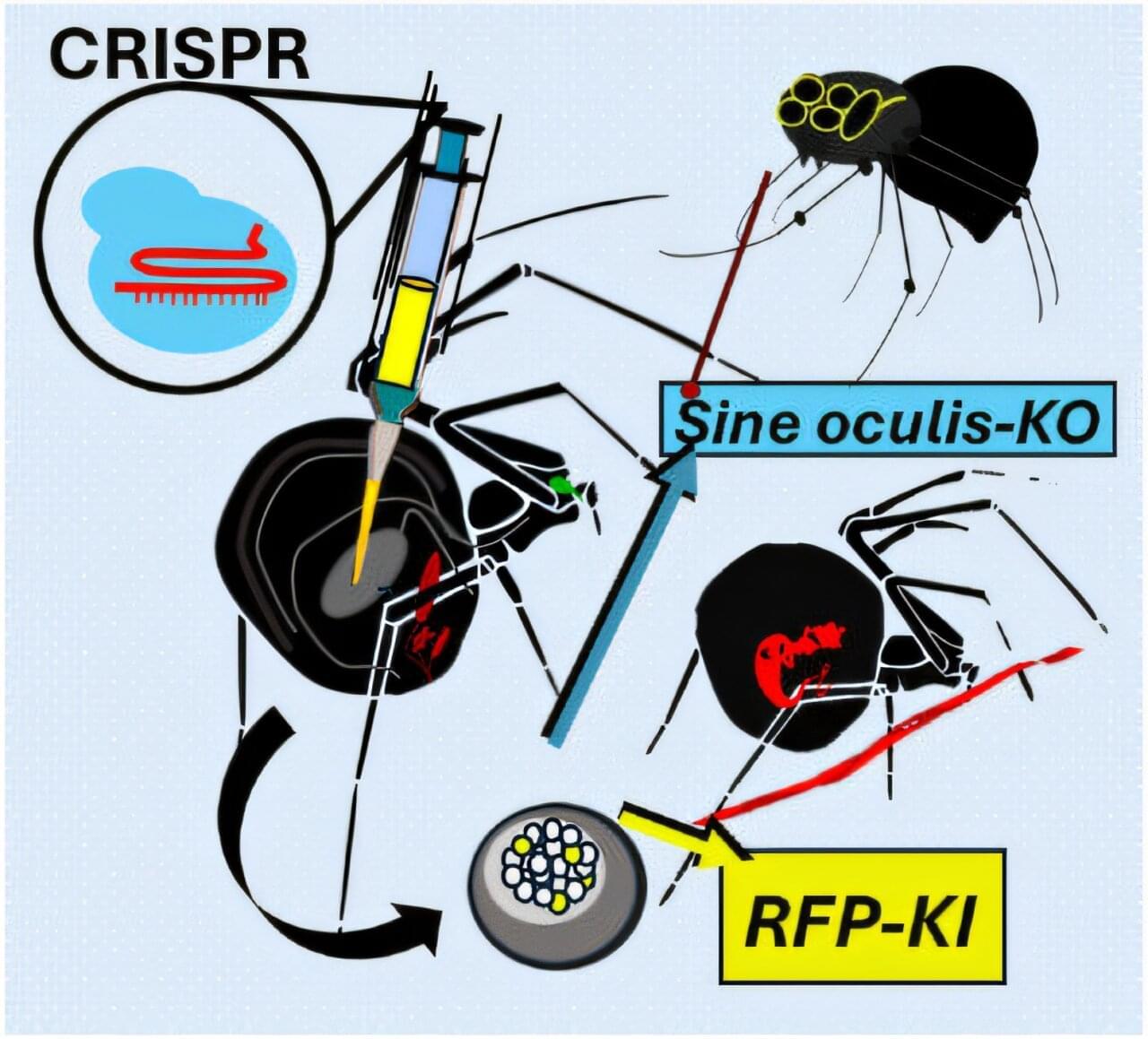
The University of Bayreuth’s Biomaterials research group has, for the first time, successfully applied the CRISPR-Cas9 gene-editing tool to spiders. Following the genetic modification, the spiders produced red fluorescent silk.

The findings of the study have been published in the journal Angewandte Chemie.

Spider silk is one of the most fascinating fibers in the field of materials science. In particular, its dragline thread is extremely tear-resistant, while also being elastic, lightweight and biodegradable. If scientists succeed in influencing production in vivo—in a living animal—and thereby gain insights into the structure of the dragline thread, it could pave the way for the development of new silk functionalities for a wide range of applications.

Connection between autism spectrum disorder and myotonic dystrophy

A recent discovery of a molecular connection between autism and myotonic dystrophy, a type of neuromuscular disease, may provide a breakthrough on how clinicians approach autism spectrum disorder.

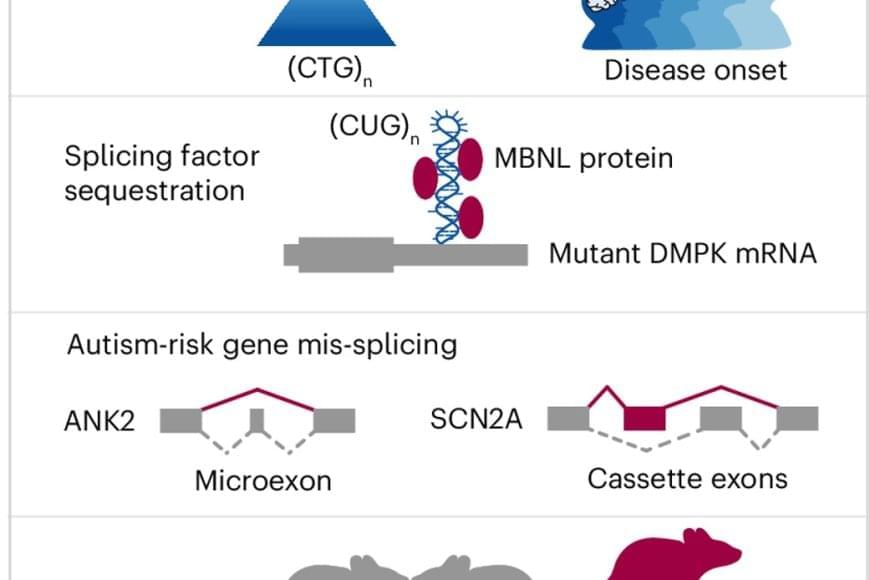
The new study by an interdisciplinary team of biomedical scientists, published in Nature Neuroscience, used myotonic dystrophy as a tool or model to learn more about autism – effectively using one disorder to better understand the other.

“We identified a new pathway that can lead to autism,” said the research lead. “We found that a genetic mutation in a certain gene can disrupt the expression of multiple autism-related genes during brain development, causing autism.”

Mammal’s lifespans linked to brain size and immune system function, says new study

So size does matter?

Mammal’s lifespans linked to brain size and immune system function, says new study.

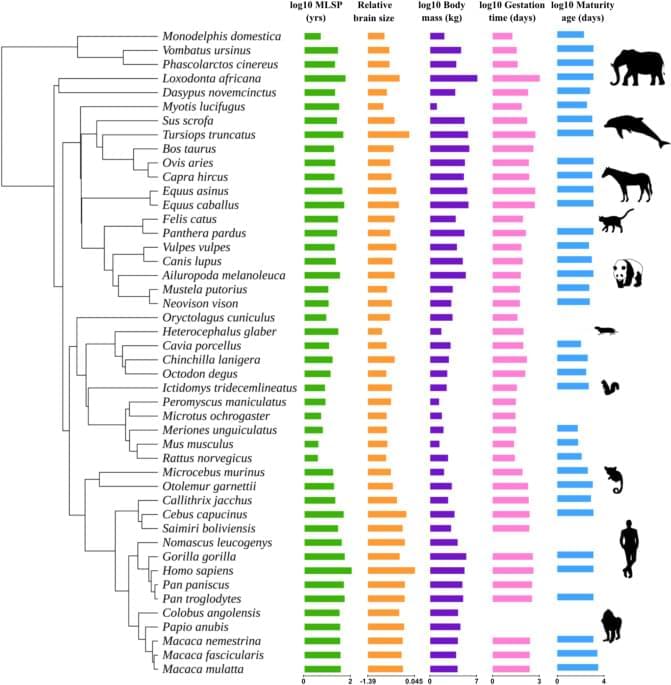
The researchers looked at the maximum lifespan potential of 46 species of mammals and mapped the genes shared across these species. The maximum lifespan potential (MLSP) is the longest ever recorded lifespan of a species, rather than the average lifespan, which is affected by factors such as predation and availability of food and other resources.

The researchers, publishing in the journal Scientific Reports, found that longer-lived species had a greater number of genes belonging to the gene families connected to the immune system, suggesting this as a major mechanism driving the evolution of longer lifespans across mammals.

For example, dolphins and whales, with relatively large brains have maximum lifespans of 39 and up to 100 years respectively, those with smaller brains like mice, may only live one or two years.

However, there were some species, such as mole rats, that bucked this trend, living up to 20 years despite their smaller brains. Bats also lived longer than would be expected given their small brains, but when their genomes were analysed, both these species had more genes associated with the immune system.

The results suggest that the immune system is central to sustaining longer life, probably by removing aging and damaged cells, controlling infections and preventing tumour formation.

Biochemical method offers view into earliest stages of RNA production

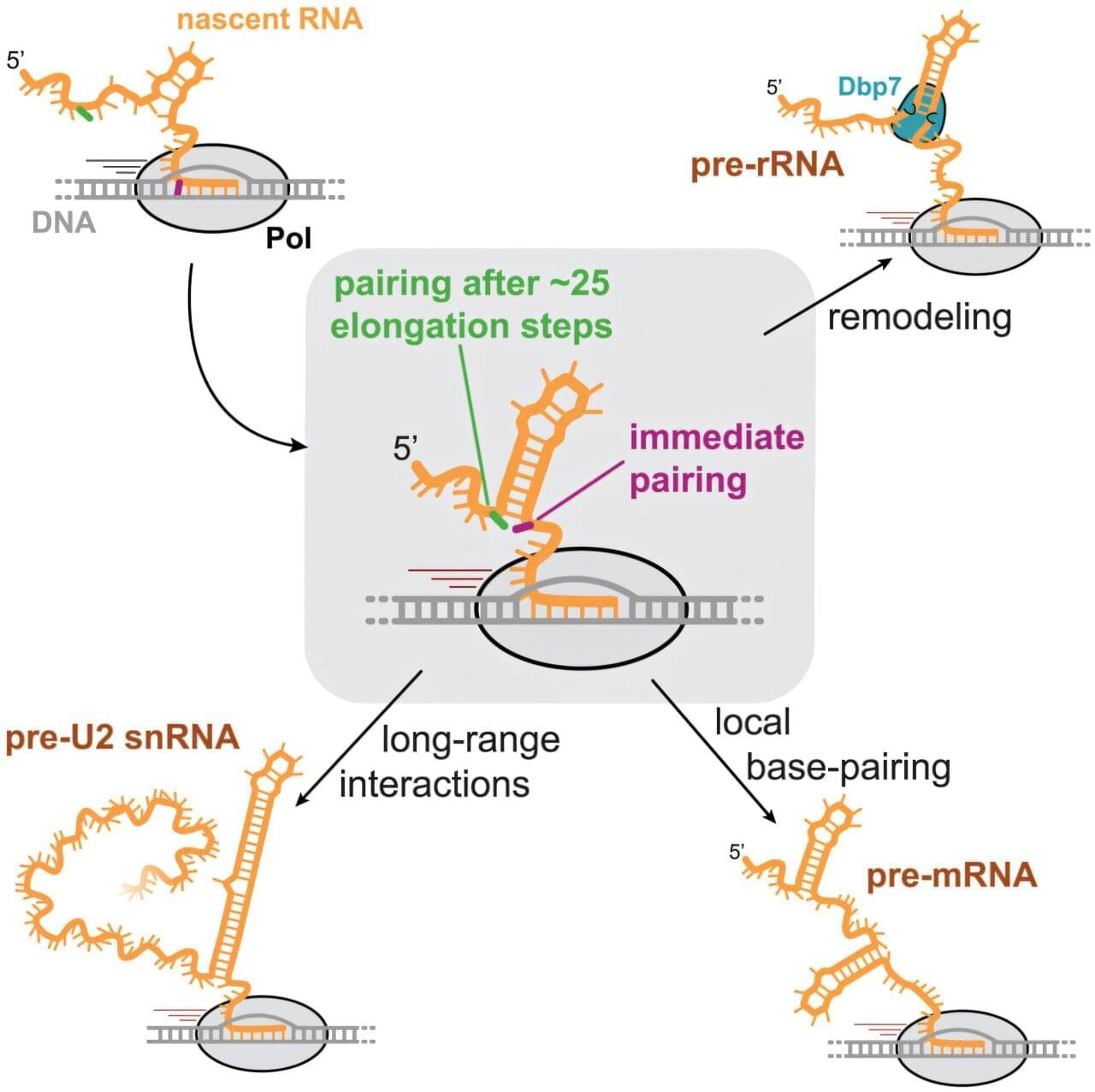
When RNA molecules are synthesized by cells—a critical process in the creation of proteins and other cellular functions—they typically undergo a series of “folding” events that determine their structure and the role they will play in expressing genetic information in living organisms.

Until recently, however, not much was known about these folding processes that occur very early in the life of RNA molecules.

But Yale researchers have now developed a method to map and measure the structure of RNA as it develops, an advance that may help scientists design more effective treatments for a host of diseases. Their findings are described in the journal Molecular Cell.

Is NAD Associated With Biomarkers Of Mitochondrial Function?

Join us on Patreon! https://www.patreon.com/MichaelLustgartenPhD

Discount Links/Affiliates:
Blood testing (where I get the majority of my labs): https://www.ultalabtests.com/partners/michaellustgarten.

At-Home Metabolomics: https://www.iollo.com?ref=michael-lustgarten.
Use Code: CONQUERAGING At Checkout.

Clearly Filtered Water Filter: https://get.aspr.app/SHoPY

Epigenetic, Telomere Testing: https://trudiagnostic.com/?irclickid=U-s3Ii2r7xyIU-LSYLyQdQ6…M0&irgwc=1
Use Code: CONQUERAGING

NAD+ Quantification: https://www.jinfiniti.com/intracellular-nad-test/

/* */