Toggle light / dark theme

Senescent astrocytes discovered in Alzheimer’s brains point to new treatment targets

Researchers from the NeuroAD group (Neuropathology of Alzheimer’s Disease) within the Department of Cell Biology, Genetics and Physiology at the University of Málaga, also affiliated with IBIMA–BIONAND Platform and CIBERNED, have made a pioneering breakthrough in the fight against this disease by identifying astrocytes as a promising cellular target for the development of future therapies.

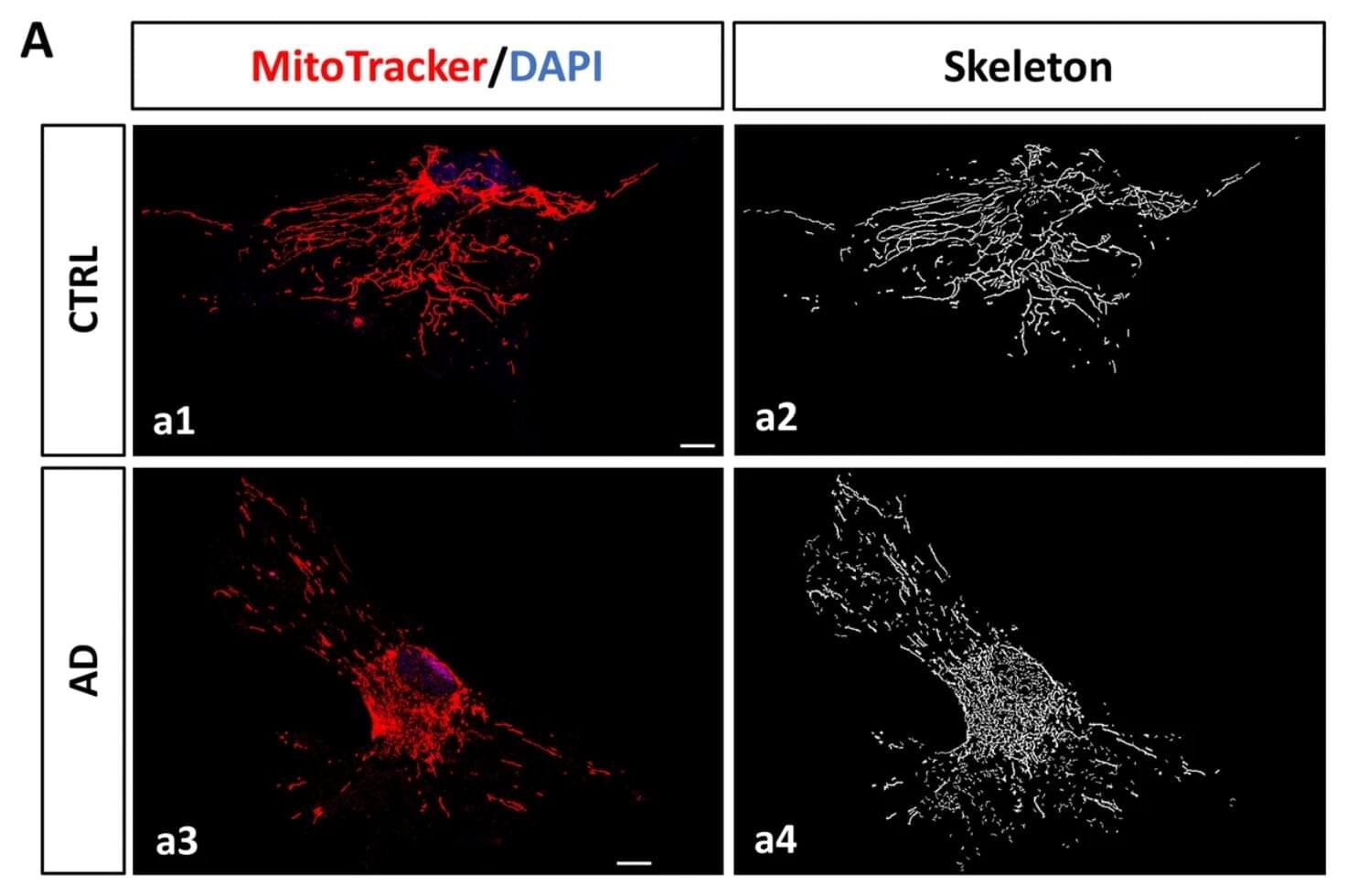
The study demonstrates, for the first time, the presence of senescent astrocytes—cells that remain alive but have lost their functional capacity—in the brains of Alzheimer’s patients, positioning this cellular aging process as a key mechanism in neurodegeneration.

The research, published in the journal Journal of Neuroinflammation, was led by Dr. Antonia Gutiérrez, Professor of Cell Biology and Principal Investigator of the NeuroAD group, together with Dr. Juan Antonio García León, Associate Professor of Cell Biology. Other contributors to the study include Laura Cáceres, Laura Trujillo, Elba López, Elisabeth Sánchez, and Inés Moreno.

New AI model could cut the costs of developing protein drugs

Industrial yeasts are a powerhouse of protein production, used to manufacture vaccines, biopharmaceuticals, and other useful compounds. In a new study, MIT chemical engineers have harnessed artificial intelligence to optimize the development of new protein manufacturing processes, which could reduce the overall costs of developing and manufacturing these drugs.

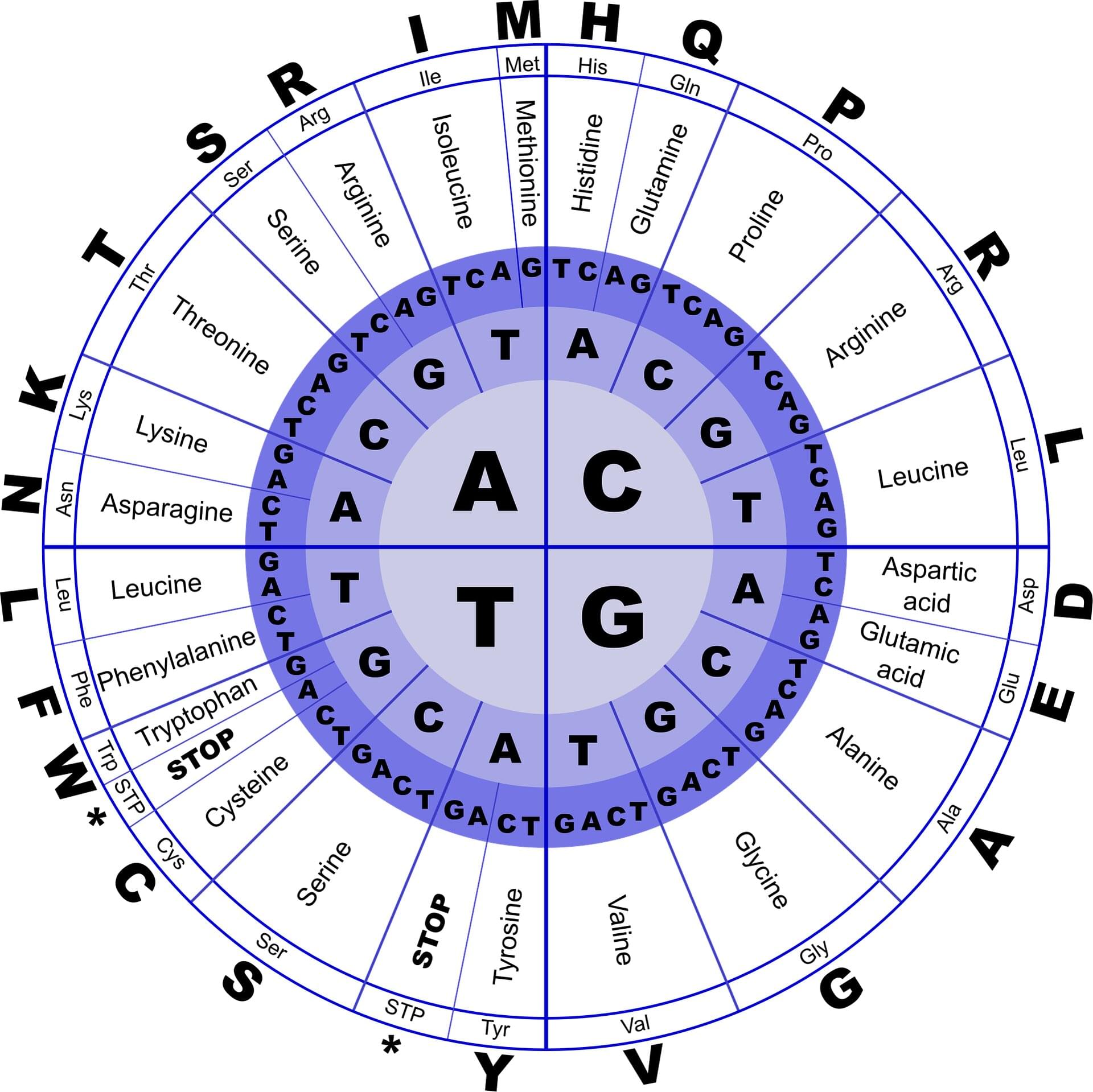
Using a large language model (LLM), the MIT team analyzed the genetic code of the industrial yeast Komagataella phaffii — specifically, the codons that it uses. There are multiple possible codons, or three-letter DNA sequences, that can be used to encode a particular amino acid, and the patterns of codon usage are different for every organism.

The new MIT model learned those patterns for K. phaffii and then used them to predict which codons would work best for manufacturing a given protein. This allowed the researchers to boost the efficiency of the yeast’s production of six different proteins, including human growth hormone and a monoclonal antibody used to treat cancer.

AI model learns yeast DNA ‘language’ to boost protein drug output

Industrial yeasts are a powerhouse of protein production, used to manufacture vaccines, biopharmaceuticals, and other useful compounds. In a new study, MIT chemical engineers have harnessed artificial intelligence to optimize the development of new protein manufacturing processes, which could reduce the overall costs of developing and manufacturing these drugs.

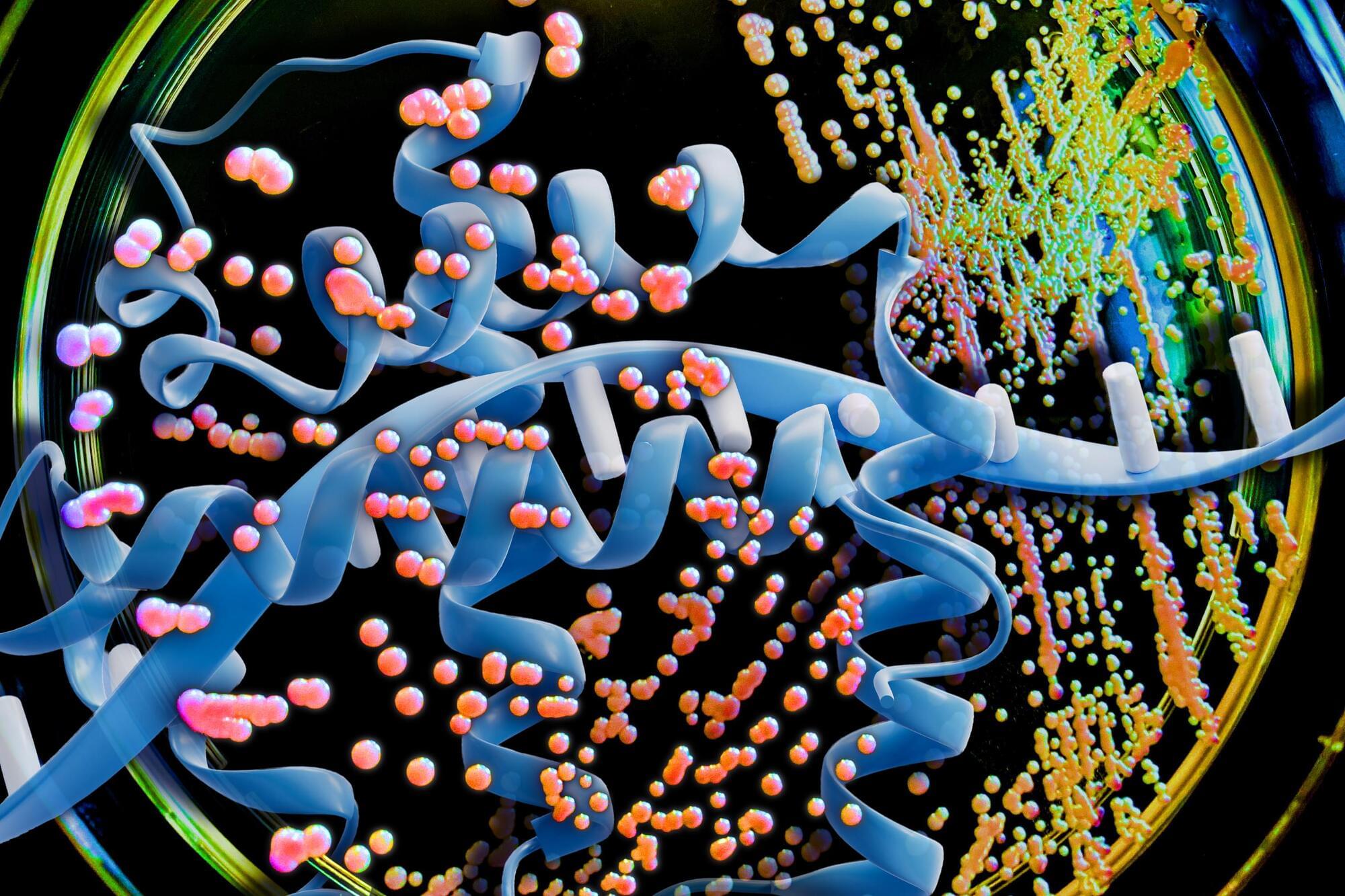
Using a large language model (LLM), the MIT team analyzed the genetic code of the industrial yeast Komagataella phaffii—specifically, the codons that it uses. There are multiple possible codons, or three-letter DNA sequences, that can be used to encode a particular amino acid, and the patterns of codon usage are different for every organism.

The new MIT model learned those patterns for K. phaffii and then used them to predict which codons would work best for manufacturing a given protein. This allowed the researchers to boost the efficiency of the yeast’s production of six different proteins, including human growth hormone and a monoclonal antibody used to treat cancer.

Ancestry-Associated Performance Variability of Open-Source AI Models for EGFR Prediction in Lung Cancer

Open-source AI models for LungCancer EGFR mutation prediction showed high accuracy overall but reduced performance in Asian patients and pleural samples, indicating the need for broader validation.


Importance Artificial intelligence (AI) models are emerging as rapid, low-cost tools for predicting targetable genomic alterations directly from routine pathology slides. Although these approaches could accelerate treatment decisions in lung cancer, little is known about whether their performance is consistent across diverse patient populations and tissue contexts.

Objective To evaluate the performance and generalizability of 2 open-source AI pathology models for predicting EGFR mutation status in lung adenocarcinoma (LUAD) across independent cohorts and ancestral subgroups.

Design, Setting, and Participants This cohort study included patients with LUAD from 2 cohorts: Dana-Farber Cancer Institute (DFCI) from June 2013 to November 2023, and a European-based trial (TNM-I) from August 2016 to February 2022. All patients had paired next-generation sequencing data and hematoxylin-eosin–stained whole-slide images. In the DFCI cohort, genetic ancestry was inferred using germline genotype data. Data analyses were performed from July 2025 to September 2025.

Studies show 11 genetic variants affect gut microbiome

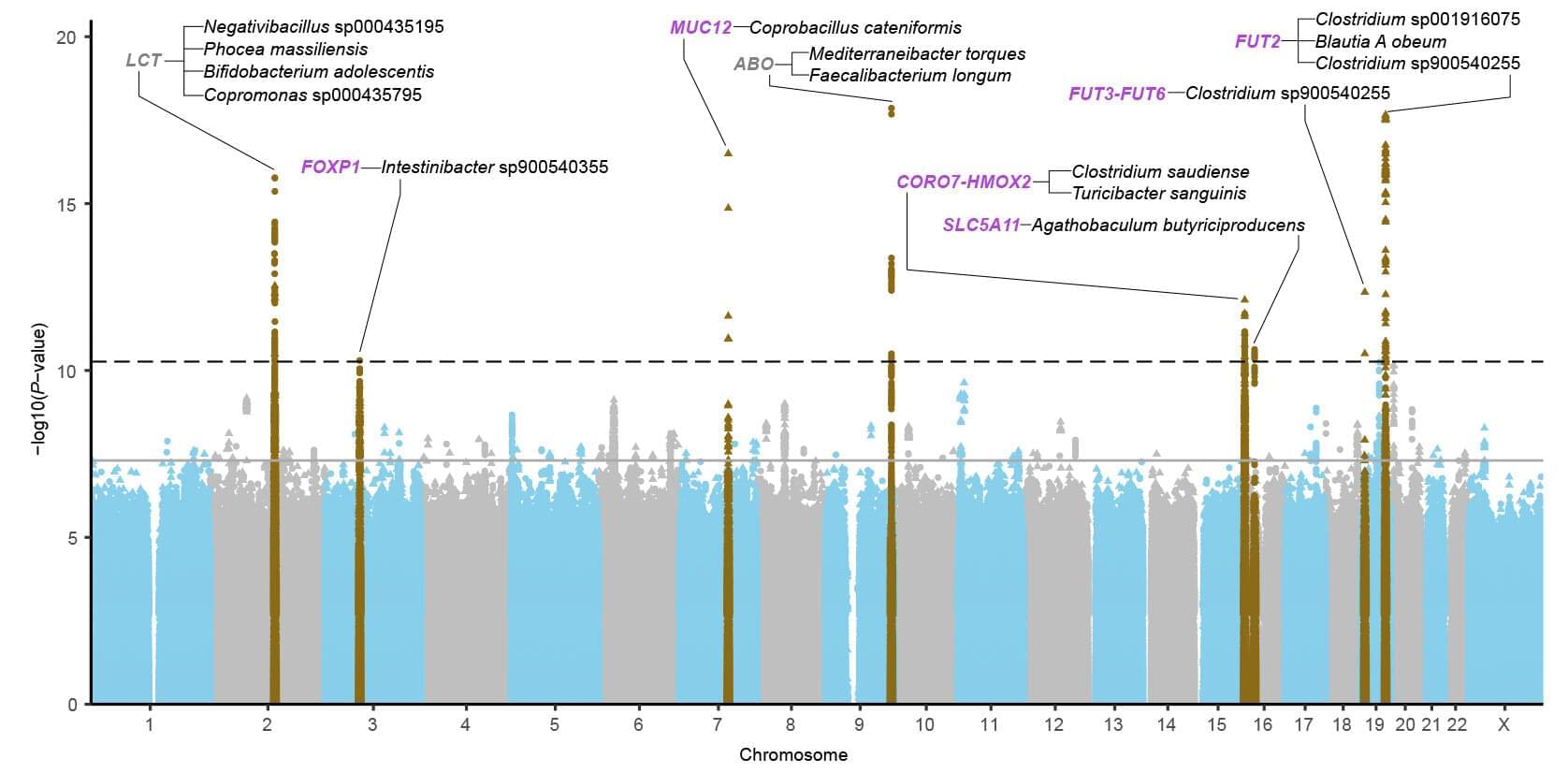
In two new studies on 28,000 individuals, researchers are able to show that genetic variants in 11 regions of the human genome have a clear influence on which bacteria are in the gut and what they do there. Only two genetic regions were previously known. Some of the new genetic variants can be linked to an increased risk of gluten intolerance, hemorrhoids and cardiovascular diseases.

The studies are published in the journal Nature Genetics.

The community of bacteria living in our gut, or gut microbiome, has become a hot research area in recent years because of its great significance for health and disease. However, the extent to which our genes determine which bacteria are present in the intestines has been unclear. Until now, it has only been possible to link a few genetic variants to the composition of the gut microbiome with certainty.

Discussing the implication of DNA methylation in human diseases

DNA methylation plays a critical role in gene expression regulation and has emerged as a robust biomarker of biological age. This modification will become heavier or site drift along with aging. Recently, it is termed epigenetic clocks—such as Horvath, Hannum, PhenoAge, and GrimAge—leverage specific methylation patterns to accurately predict age-related decline, disease risk, and mortality. These tools are now widely applied across diverse tissues, populations, and disease contexts. Beyond age-related loss of methylation control, accelerated DNA methylation age has been linked to environmental exposures, lifestyle factors, and chronic diseases, further reinforcing its value as a dynamic and clinically relevant marker of biological aging. DNA methylation is reshaping our understanding of aging and disease risk, with promising implications for preventive medicine and interventions aimed at promoting healthy longevity. However, it must be admitted that some challenges remain, including limited generalizability across populations, an unclear mechanism, and inconsistent longitudinal performance. In this review, we examine the biological foundations of DNA methylation, major advances in epigenetic clock development, and their expanding applications in aging research, disease prediction and health monitoring.

Aging is a complex, multifactorial process that affects nearly all biological systems. While chronological age simply measures the passage of time from birth, biological age reflects the functional state and health of an individual’s tissues and organs (Kiselev et al., 2025). This distinction is critical, as individuals of the same chronological age often exhibit markedly different biological conditions, disease risks, and mortality trajectories (Dugue et al., 2018). Therefore, biological age potentially serves as a more meaningful measure of aging-related decline and is increasingly used to assess overall health status, predict disease onset, and evaluate the effectiveness of interventions aimed at promoting healthy longevity (Dugue et al., 2018; Petkovich et al., 2017).

Among various biomarkers proposed to estimate biological age, epigenetic modifications—particularly DNA methylation—have emerged as one of the most reliable and informative (Dugue et al., 2018). In epigenetics, DNA methylation involves the addition of a methyl group to the 5′ position of cytosine residues, typically at CpG dinucleotides, which can regulate gene expression without altering the underlying DNA sequence. Moreover, DNA methylation can be accurately measured by sequencing at methylated sites with bisulfate treatment (Zhang et al., 2012). Age-related changes in DNA methylation pattern are not random; they occur at specific genomic locations. These methylated sites are picked and constitute come patterns, by which scientists can construct “epigenetic clocks” to precisely estimate a person’s biological age based on their DNA modification. As people grow older, their methylation profiles shift in predictable ways (Kiselev et al., 2025; Horvath, 2013; Horvath and Raj, 2018).
A Deep Dive Into The ‘Longevity Vitamin’, Ergothionine

Join us on Patreon! https://www.patreon.com/MichaelLustgartenPhD

Discount Links/Affiliates:
Blood testing (where I get the majority of my labs): https://www.ultalabtests.com/partners/michaellustgarten.

Blood testing with LifeExtension.com: https://www.anrdoezrs.net/click-101614996-15750394

At-Home Metabolomics: https://www.iollo.com?ref=michael-lustgarten.
Use Code: CONQUERAGING At Checkout.

Clearly Filtered Water Filter: https://get.aspr.app/SHoPY

Epigenetic, Telomere Testing: https://trudiagnostic.com/?irclickid=U-s3Ii2r7xyIU-LSYLyQdQ6…M0&irgwc=1

Blood-based tests show strong promise for dementia diagnosis—but population diversity matters

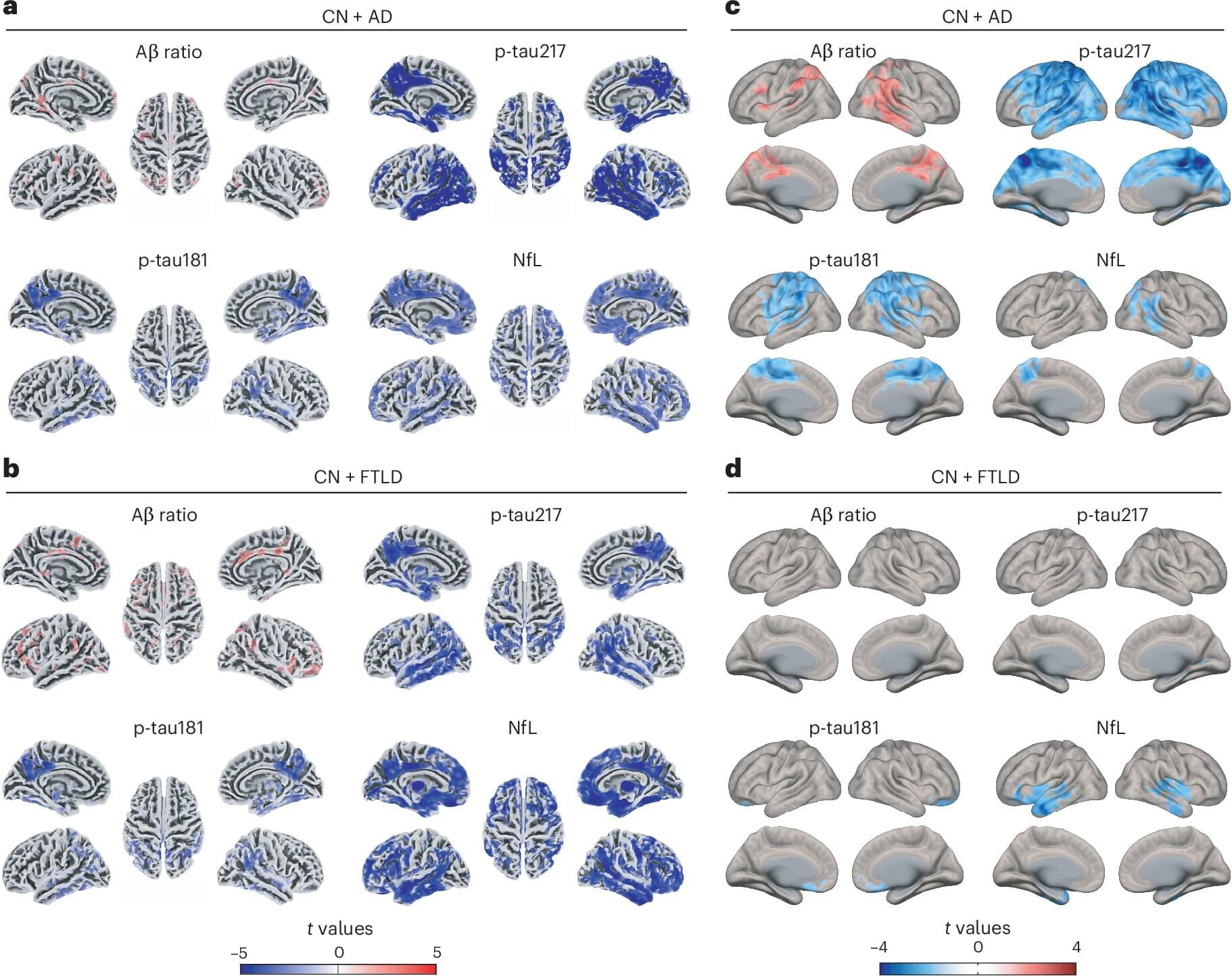
In a study published today, Friday, February 13, 2026, in the journal Nature Aging, researchers show that blood-based biomarkers can support accurate dementia diagnosis across diverse populations when integrated with cognitive and neuroimaging measures. Blood-based biomarkers are emerging as one of the most promising advances for the global diagnosis of dementia, including Alzheimer’s disease and frontotemporal lobar degeneration. These tests offer a more accessible, scalable, and cost-effective alternative to traditional diagnostic tools such as brain imaging or cerebrospinal fluid analysis.

However, most blood-based biomarkers have been developed and validated primarily in relatively homogeneous populations. Genetic background, overall physical health, and environmental and social exposures can substantially influence biomarker levels, raising concerns about how well these tests perform across diverse populations worldwide.

/* */