Toggle light / dark theme

Community Series in Vaccines and approaches that target trained immunity in COVID-19: Immunological mechanisms of action and delivery: Volume II

2024 This is a first of its kind univversal covid 19 vaccine that would allow for a one time shot that is good for current versions of the virus and future versions aswell.


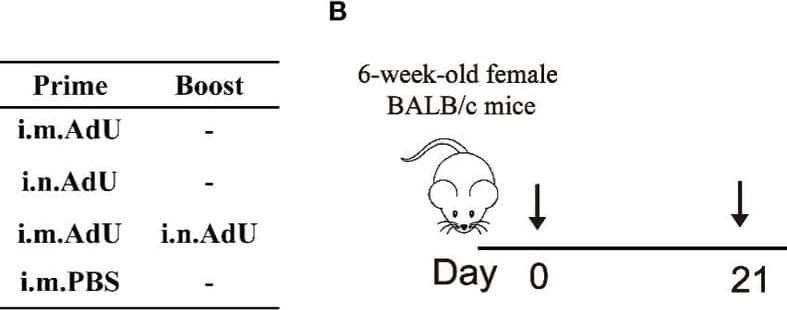
A universal recombinant adenovirus type-5 (Ad5) vaccine against COVID19 (Ad-US) was constructed, and immunogenicity and broad-spectrum of Ad5-US were evaluated with both intranasal and intramuscular immunization routes. The humoral immune response of Ad5-US in serum and bronchoalveolar lavage fluid were evaluated by the enzyme-linked immunosorbent assay (ELISA), recombinant vesicular stomatitis virus based pseudovirus neutralization assay, and angiotensin-converting enzyme-2 (ACE2)-binding inhibition assay. The cellular immune response and Th1/Th2 biased immune response of Ad5-US were evaluated by the IFN-γ ELISpot assay, intracellular cytokine staining, and Meso Scale Discovery (MSD) profiling of Th1/Th2 cytokines. Intramuscular priming followed by an intranasal booster with Ad5-US elicited the broad-spectrum and high levels of IgG, IgA, pseudovirus neutralizing antibody (PNAb), and Th1-skewing of the T-cell response. Overall, the adenovirus type-5 vectored universal SARS-CoV-2 vaccine Ad5-US was successfully constructed, and Ad5-US was highly immunogenic and broad spectrum. Intramuscular priming followed by an intranasal booster with Ad5-US induced the high and broad spectrum systemic immune responses and local mucosal immune responses.

According to the World Health Organization, as of March 15, 2024, over 774 million COVID-19 cases and almost 7 million related deaths had been reported globally. A total of 13.59 billion doses of COVID-19 vaccines have been reportedly administered globally, leading to a vaccination rate of 69.7%. At present, at least 24 types of COVID-19 vaccines have been authorized for emergency use in various countries. According to the list of global COVID-19 candidate vaccines published on the WHO website, a total of 183 candidate vaccines are in clinical development and 199 candidate vaccines are in the preclinical evaluation stage as of April 8, 2023. Recombinant protein subunit vaccines account for the greatest proportion of vaccines in clinical development (59 vaccines, 32%), followed by RNA vaccines (43 vaccines, 24%).
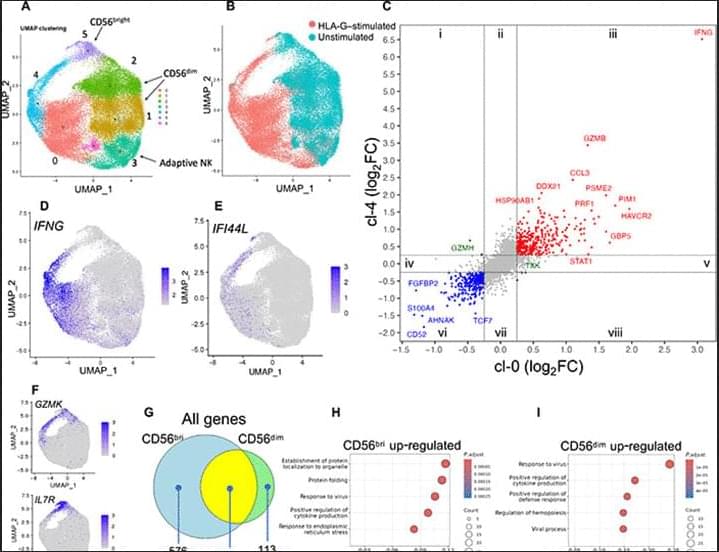
The fetal trophoblast cell marker HLA-G activates a type I interferon response in primary NK cells through the receptor KIR2DL4

Scientists have discovered how cells from the fetus could activate maternal natural killer cells during early pregnancy, helping to demystify the poorly understood mechanisms that govern immune cells at the maternal-fetal interface.

Learn more in Science Signaling.


A fetal cell antigen interacts with a natural killer cell receptor to induce antiviral gene expression.

Angstrom-scale plasmonic gap boosts nonlinear light output by 2,000% per volt

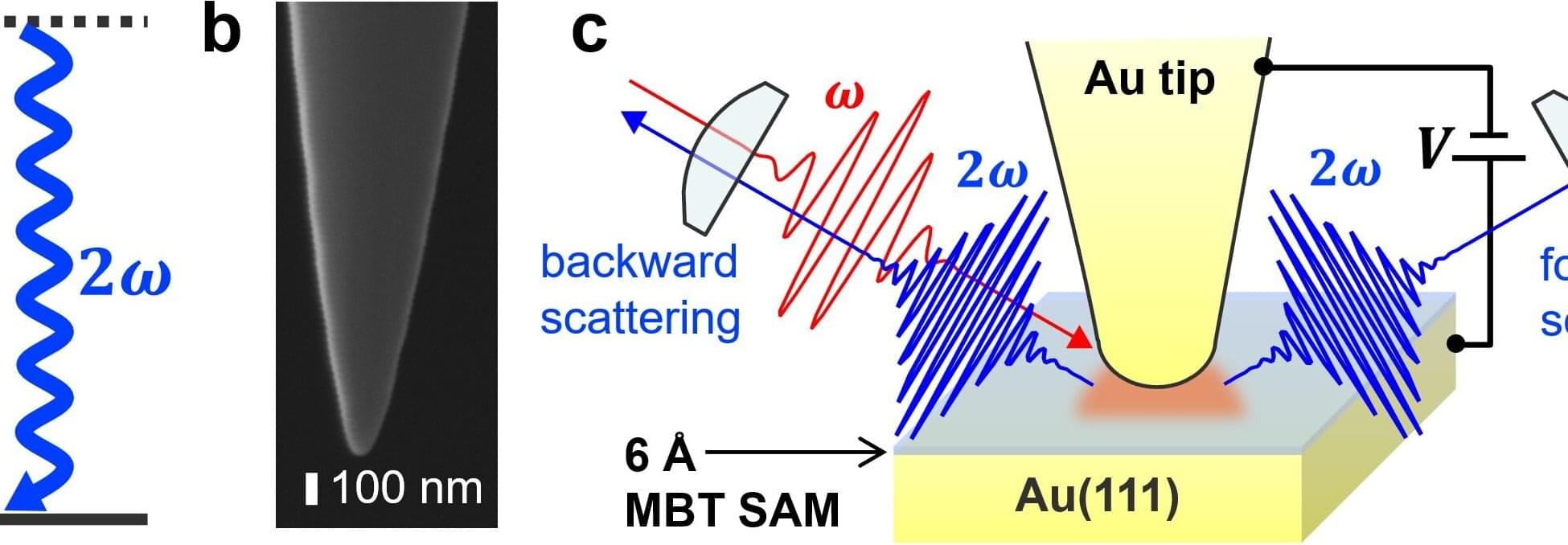
Researchers at the Institute for Molecular Science (NINS, Japan) and SOKENDAI have demonstrated a more than 2000% voltage-induced enhancement of near-field nonlinear optical responses. To achieve this giant modulation, they focused on an angstrom-scale gap formed between a metallic tip and substrate in a scanning tunneling microscope (STM), which can strongly confine and enhance light intensity through plasmon excitation. The paper is published in the journal Nature Communications.

The researchers discovered that when the voltage across the junction was varied within ±1 V, the intensity of second-harmonic generation (SHG) changed quadratically with voltage and exhibited giant modulation with a depth of ~2000%/V. This represents a more than two-orders-of-magnitude improvement over previous electroplasmonic systems.

Moreover, similar giant electrical modulation was also observed for sum-frequency generation, a nonlinear optical process that upconverts mid-infrared light into visible or near-infrared light. This demonstrates that the newly discovered electrical modulation mechanism is applicable to the broad spectral range, not limited to a specific optical wavelength or nonlinear optical process.

Ozone-depleting CFCs detected in historical measurements—20 years earlier than previously known

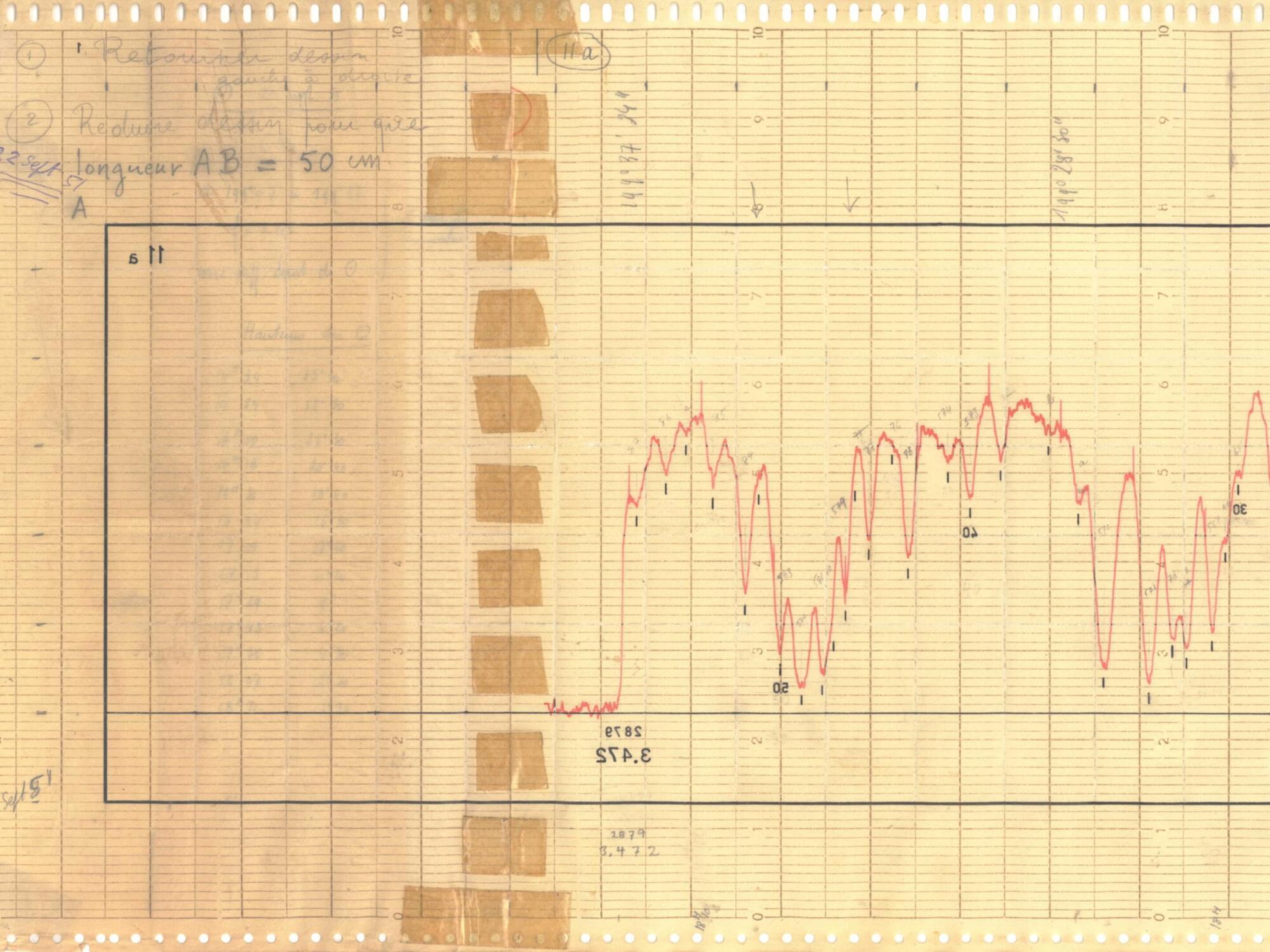
An international research team led by the University of Bremen has detected chlorofluorocarbons (CFCs) in Earth’s atmosphere for the first time in historical measurements from 1951—20 years earlier than previously known. This surprising glimpse into the past was made possible by analyzing historical measurement data from the Jungfraujoch research station in the Swiss Alps. The study has now been published in Geophysical Research Letters.

“This discovery provides quantitative data for the concentration of a CFC for the year 1951,” explains Professor Justus Notholt from the Institute of Environmental Physics at the University of Bremen. “Without the archived measurements from the Jungfraujoch station, this unique look into the past would have been impossible.”

Notable Recent Events in Gene Therapy Translation January 2023 to January 2026

Clinical gene therapy has seen a lot of big wins and a lot of big setbacks over the past few years. To help myself keep track of recent important events in the field, I decided to write up this catalogue of key happenings. Though the landscape is ever-evolving, this resource should nonetheless be useful in the relatively near future and perhaps serve as a historical record later on. It has been fascinating to read up on the industry’s dynamics! I hope any readers out there who encounter this page will find my catalogue similarly interesting and valuable.

My website version: [ https://logancollinsblog.com/2026/02/03/notable-recent-event…uary-2026/](https://logancollinsblog.com/2026/02/03/notable-recent-event…uary-2026/)

Substack version: [ https://loganthrashercollins.substack.com/p/notable-recent-e…ne-therapy](https://loganthrashercollins.substack.com/p/notable-recent-e…ne-therapy)


PDF version: Notable Recent Events in Gene Therapy Translation January 2023 to January 2026.

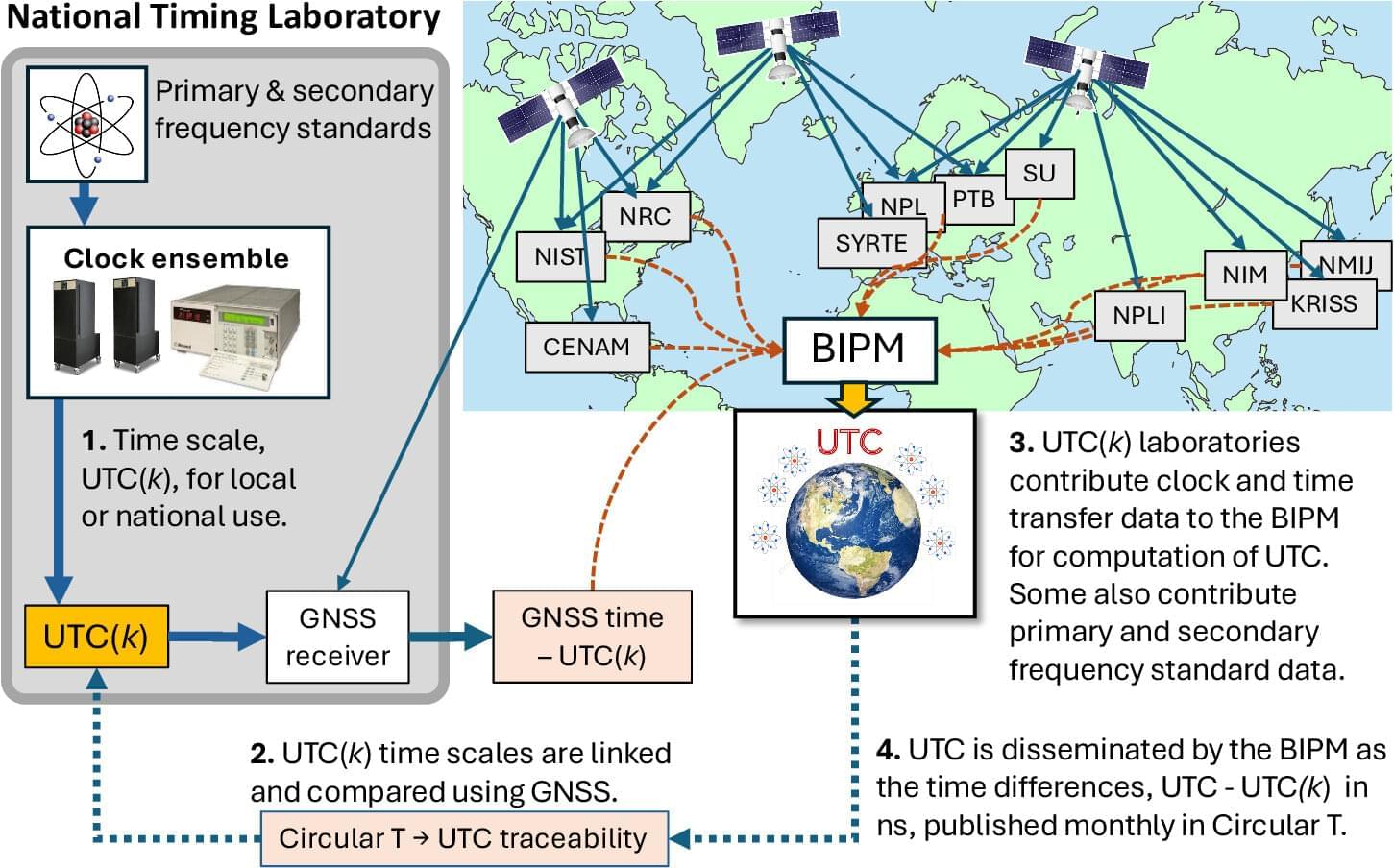
Optical atomic clocks poised to redefine how the world measures seconds

Time is almost up on the way we track each second of the day, with optical atomic clocks set to redefine the way the world measures one second in the near future. Researchers from Adelaide University worked with the National Institute of Standards and Technology (NIST) in the United States and the National Physical Laboratory (NPL) in the United Kingdom to review the future of the next generation of timekeeping.

They found that development is happening at such a fast rate that optical atomic clocks are well positioned to become the gold standard for timekeeping within the next few years, provided some technical challenges can be addressed.

Optica l atomic clocks have advanced rapidly over the past decade, to the point where they are now one of the most precise measurement tools ever built. They’re more accurate than the best microwave atomic clocks and can even work outside the lab—this is a place that conventional atomic clocks have trouble venturing,” said co-author Professor Andre Luiten from Adelaide University’s Institute for Photonics and Advanced Sensing.

/* */