When we first covered the high-power Delfast TopCop electric bicycle, the company was still pitching its bikes to various police departments around the world. Now we’re hearing some of the first feedback from actual cops who have incorporated the e-bikes into their daily service.
Category: energy – Page 322
Tesla improves on its ‘million-mile battery’ with less cobalt and higher energy density
Tesla has made even more battery improvements on its new ‘million-mile battery’ now with less cobalt, which could result in lower cost and even more energy density.
Last year, we were the first to report on Tesla’s battery research partner, Jeff Dahn and his team at Dalhousie University, unveiling the impressive results of tests on a new battery cell that could last over 1 million miles in an electric vehicle.
The new battery tested is a Li-ion battery cell with a next-generation “single crystal” NMC 532 cathode and a new advanced electrolyte, which they patented.
America’s renewable energy sources have produced more electricity than coal every day for 40 days straight
Renewable sources including solar, wind and hydropower generated more electricity than coal-based plants every single day in April, a new report says.
Analysis shared by the Institute for Energy Economics and Financial Analysis (IEFA), based on data from the U.S. Energy Information Administration (EIA), said the finding marks a major “milestone” in an energy transition that is now underway.
The move away from coal for electricity generation in the U.S. accelerated in 2020 due to lower gas prices, warmer weather and a “significant amount” of new renewable capacity being connected to the grid late last year, the report suggested.
The Army Is Testing Handheld Ray Guns
Circa 2015
Fittingly, these rifle-sized weapons would gun for other electronics.
Pew! Pew! Soldiers with handheld energy blasters are the stuff of G.I. Joe, not real life … until now. The U.S Army is currently testing electricity guns for possible use against electronics on the battlefield. They don’t look like props from the popular cartoon show but, rather like regular standard-issue M4 rifles with a pair of antennas that shoot out from the barrel and then spread, giving the front end of the gun a musket-like shape.
Soldiers “already carry rifles. Why not use something that every soldier already carries,” said James E. Burke, an electronics engineer with the U.S. Army’s Armament Research, Development and Engineering Center, or ARDEC. Burke spoke with Defense One at a National Defense Industry Association event in Baltimore on Tuesday.
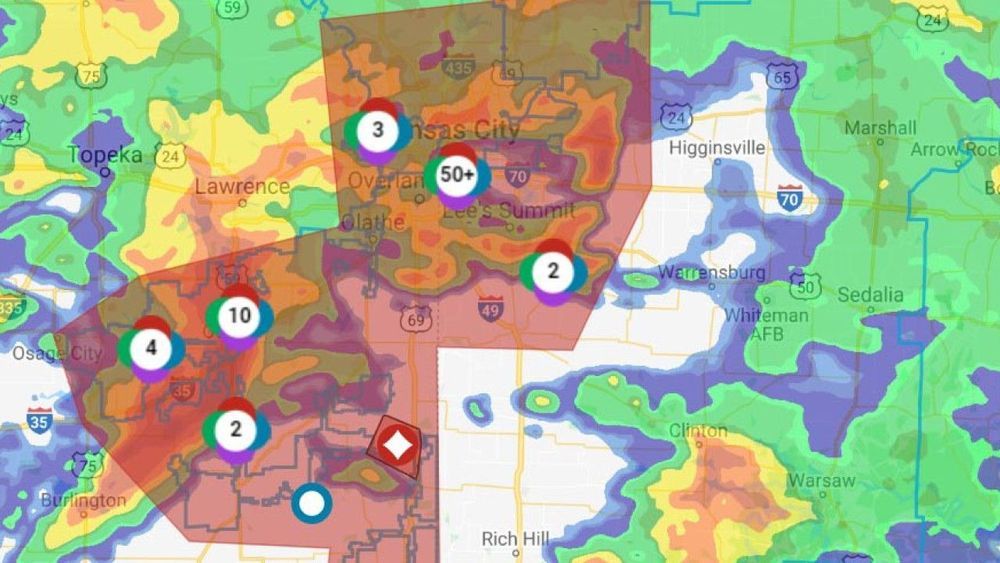
More than 14,000 without power after strong storms move through the metro
KANSAS CITY, Mo. — Thousands of Evergy customers in the metro are without power Monday after strong storms move through the metro.
According to the outage map on Evergy’s website there were 133 active outages at 11:40 a.m., and those 133 outages were impacting 14,296 customers.
There is no word yet on how long it will take crews to fully restore power.
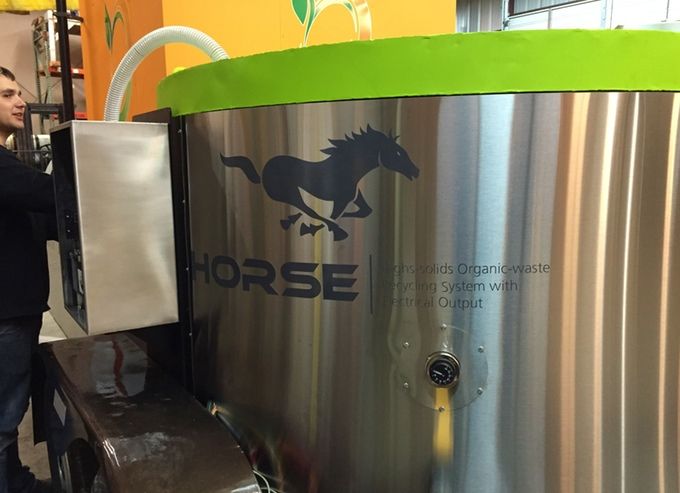
Inspired by ‘Back to the Future,’ this machine turns food waste into energy
Many people in the Northwest separate out their table scraps, wilted leaves and old fruit, carting them off eventually to a compost bin or joining their grass clippings and pruning remains in the green waste bin. In the City of Seattle, food waste is required to be separated from garbage.
But most of our actions still revolve around a simple concept: Collect your household waste, sit it on the curb, and somebody will come and pick it up. Businesses do the same thing, just on a larger scale. We have applied industrial-age logic to waste: create a production line that starts at a home or business, automate as many of the tasks as possible, and coordinate through centrally managed processes and destinations.
This centralized approach to waste collection is labor and energy intensive, and it doesn’t give back much.

First direct look at how light excites electrons to kick off a chemical reaction
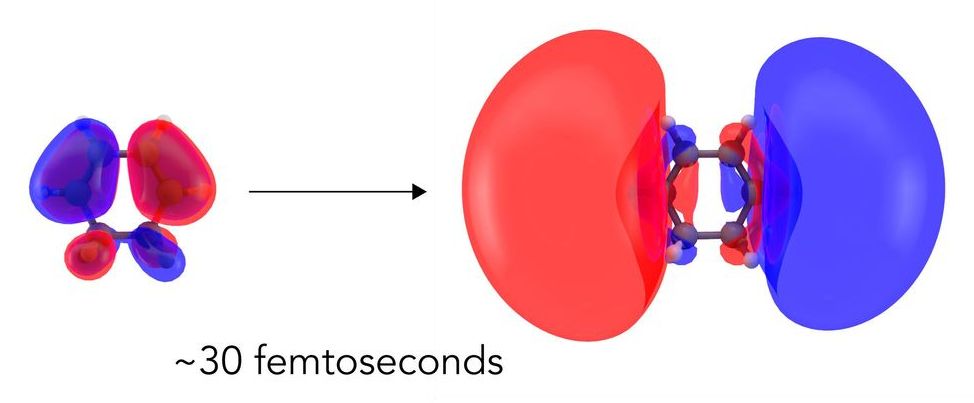
The first step in many light-driven chemical reactions, like the ones that power photosynthesis and human vision, is a shift in the arrangement of a molecule’s electrons as they absorb the light’s energy. This subtle rearrangement paves the way for everything that follows and determines how the reaction proceeds.
Now scientists have seen this first step directly for the first time, observing how the molecule’s electron cloud balloons out before any of the atomic nuclei in the molecule respond.
While this response has been predicted theoretically and detected indirectly, this is the first time it’s been directly imaged with X-rays in a process known as molecular movie-making, whose ultimate goal is to observe how both electrons and nuclei act in real time when chemical bonds form or break.
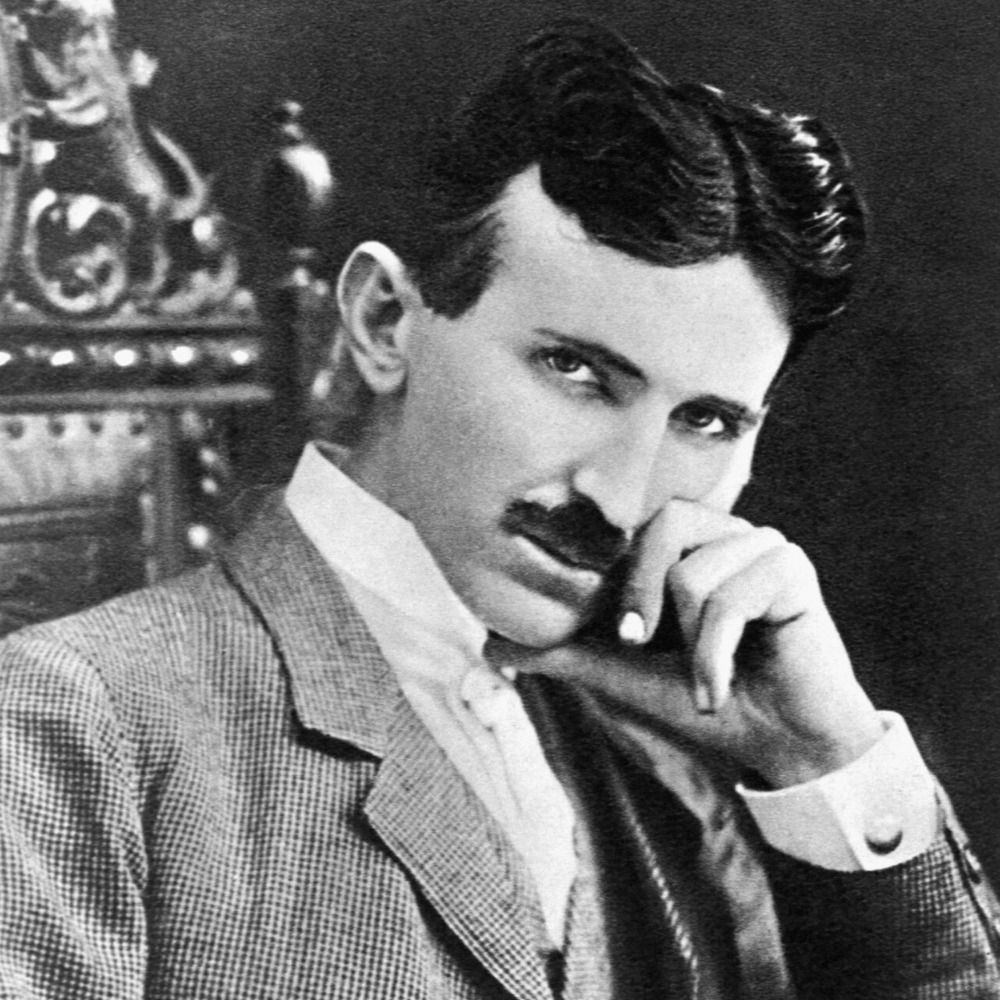
Today in 1888, Nikola Tesla’s patent has been granted for “electrical transmission of power.” 😍
As the holder of more than 270 patents in 27 countries—including 112 in the US alone—Tesla rightfully earned his place in history, but not every invention of Tesla made it to production. With that in mind, we combed through the records and found 7 of Tesla’s most substantial inventions that never got built.
To find out: https://bit.ly/2y7SpuA 🚀.