Toggle light / dark theme

Experiment Recreates The Universe’s Very First Chemical Reactions

The first chemical reactions in the wake of the Big Bang have been recreated for the first time in conditions similar to those in the baby Universe.

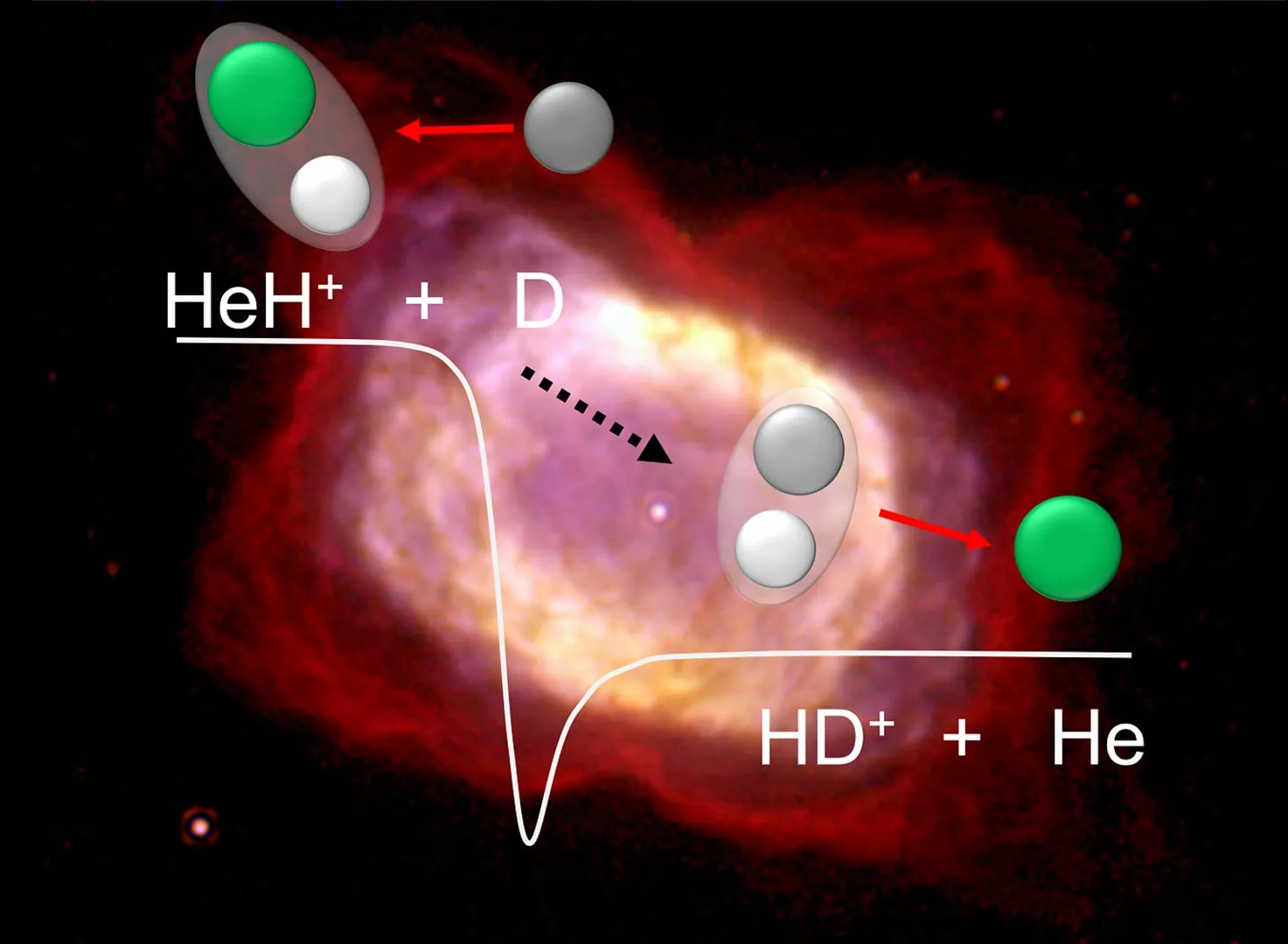
A team of physicists led by Florian Grussie of the Max Planck Institute for Nuclear Physics (MPIK) in Germany has reproduced the reactions of the helium hydride ion (HeH+), a molecule made from a neutral helium atom fusing with an ionized atom of hydrogen.

These are the first steps that lead to the formation of molecular hydrogen (H2), the most abundant molecule in the Universe and the stuff from which stars are born. The new work, therefore, elucidates some of the earliest processes that gave rise to the Universe as we know it today.

New Technique Sheds Light on Chemistry at the Bottom of the Periodic Table

The periodic table is one of the triumphs of science. Even before certain elements had been discovered, this chart could successfully predict their masses, densities, how they would link up with other elements, and a host of other properties.

But at the bottom of the periodic table, where massive atoms are practically bursting at the seams with protons, its predictive power might start to break down. Experiments to study the chemistry of the heaviest elements — especially the superheavy elements, which have more than 103 protons — have long been a challenge. Despite using specialized facilities, researchers have been unable to definitively identify the molecular species they produce in experiments. This uncertainty has hindered progress in the field, since scientists have had to rely on educated guesses rather than precise knowledge of the chemistry being observed.

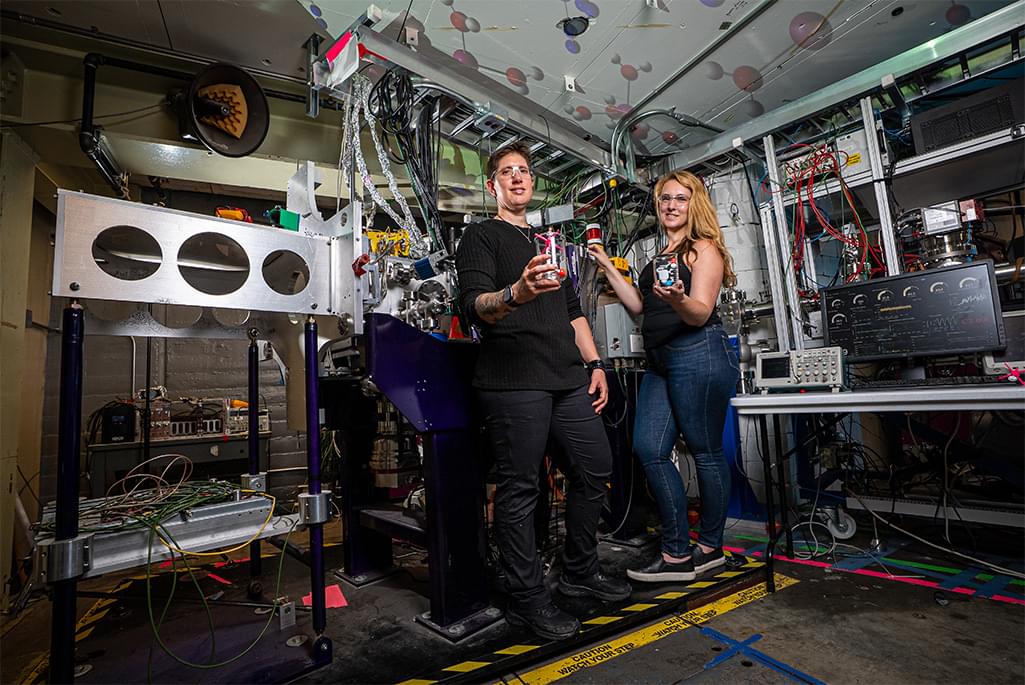
Now, researchers have used the 88-Inch Cyclotron at the Department of Energy’s Lawrence Berkeley National Laboratory (Berkeley Lab) to develop a new technique to make and directly detect molecules containing heavy and superheavy elements. In a study published today in the journal Nature, a team of researchers from Berkeley Lab, UC Berkeley, and The University of Alabama used the method to create molecules containing nobelium, element 102. It is the first time scientists have directly measured a molecule containing an element greater than 99.

Tracing brain chemistry across humanity’s family tree

The evolutionary success of our species may have hinged on minute changes to our brain biochemistry after we diverged from the lineage leading to Neanderthals and Denisovans about half a million years ago.

Two of these tiny changes that set modern humans apart from Neanderthals and Denisovans affect the stability and genetic expression of the adenylosuccinate lyase, or ADSL. This enzyme is involved in the biosynthesis of purine, one of the fundamental building blocks of DNA, RNA, and other important biomolecules.

In a study published in PNAS, researchers from the Okinawa Institute of Science and Technology (OIST), Japan and the Max Planck Institute for Evolutionary Anthropology, Germany have discovered that these changes may play an important role in our behavior, contributing new pieces to the great puzzle of who we humans are and where we come from.

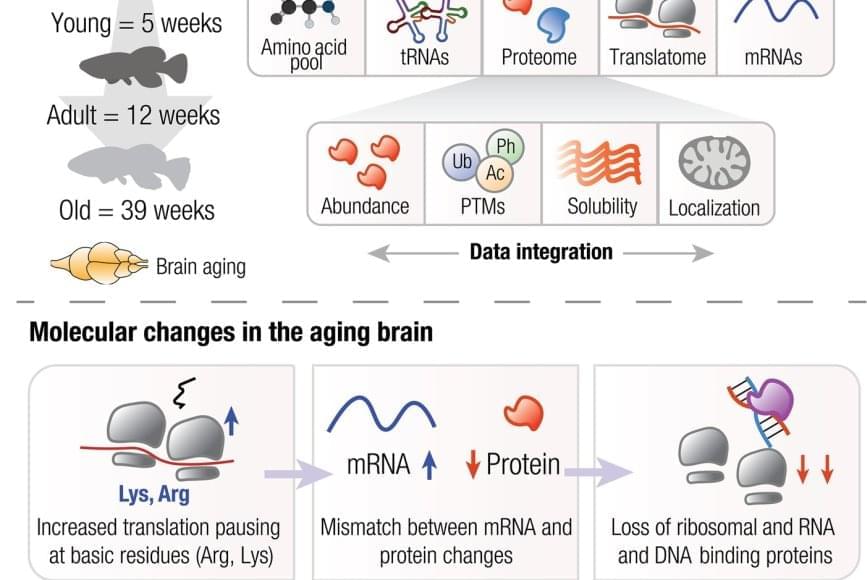
Altered protein translation elongation contributes to brain aging

The GFP gene, which has its origins in jellyfish, expresses proteins that fluoresce when illuminated with certain frequencies of light. Poeschla, of the Mayo Clinic in Rochester, Minnesota, reported his results in the journal Nature Methods.

This function is regularly used by scientists to monitor the activity of individual genes or cells in a wide variety of animals. The development and refinement of the GFP technique earned its scientific pioneers the Nobel prize for chemistry in 2008.

In the case of the glowing cats, the scientists hope to use the GM animals in the study of HIV/AIDS.

In vitro anti-cancer efficacy and phyto-chemical screening of solvent extracts of Kigelia africana (Lam.) Benth

Kigelia africana is a medicinal plant growing naturally in many parts of Africa. In Kenya, a water concoction of the plant is used to treat breast and prostate cancers. Laboratory data on its anti-cancer activity and active principles is limited, hence no scientific rationale for its medicinal use. This study reports on in-vitro toxic activities of dichloromethane and methanol extracts of the plant against human breast cancer cells and phytochemical screening of the two extracts.

Scientists just recreated the Universe’s first molecule and solved a 13-billion-year-old puzzle

Long before stars lit up the sky, the universe was a hot, dense place where simple chemistry quietly set the stage for everything to come. Scientists have now recreated the first molecule ever to form, helium hydride, and discovered it played a much bigger role in the birth of stars than we thought. Using a special ultra-cold lab setup, they mimicked conditions from over 13 billion years ago and found that this ancient molecule helped cool the universe just enough for stars to ignite. Their findings could rewrite part of the story about how the cosmos evolved from darkness to light.

Researchers identify protein patterns linked to chemotherapy resistance in bladder cancer

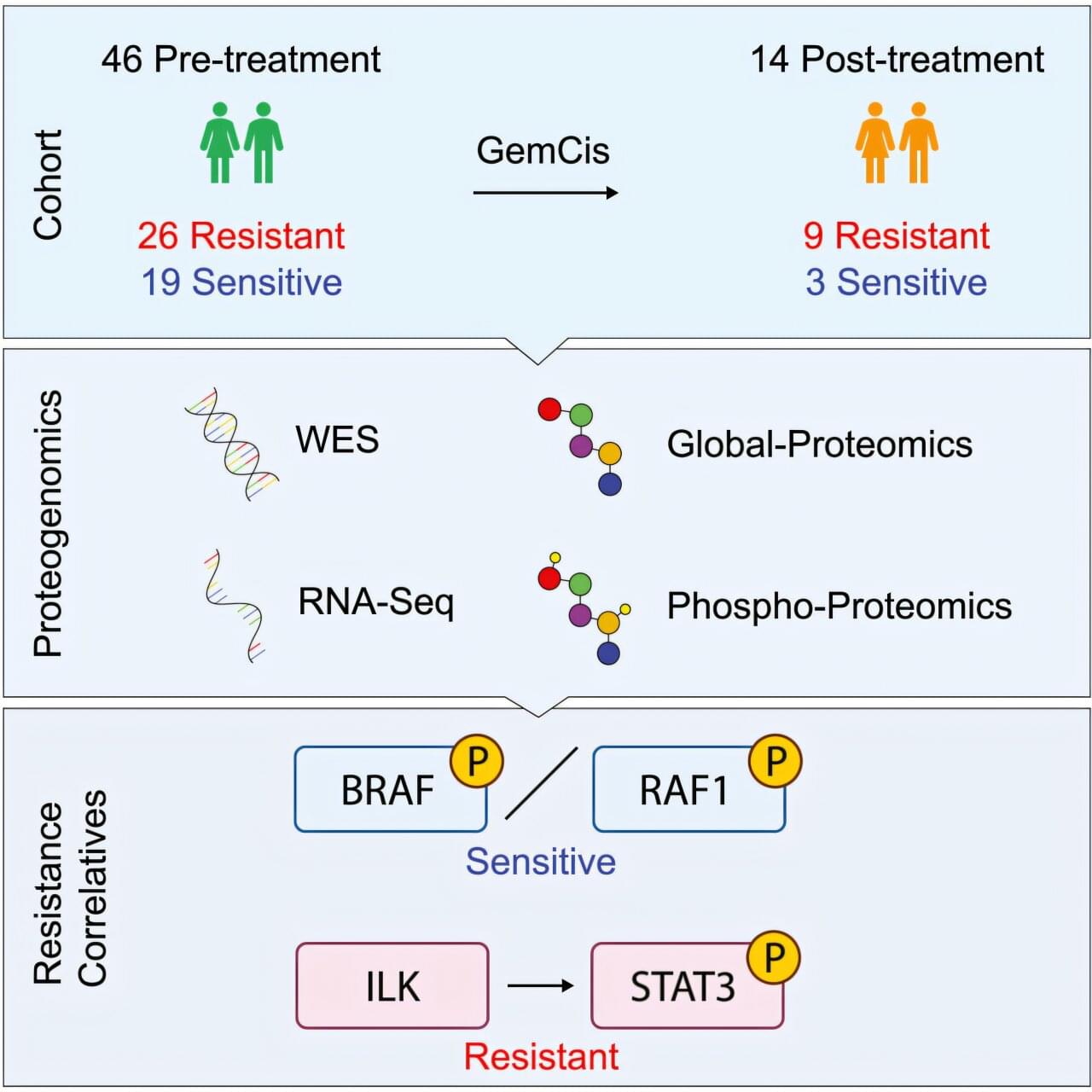
About one quarter of patients with muscle-invasive bladder cancer (MIBC) may be treated and derive a benefit with the current standard chemotherapy. To better understand why some tumors resist chemotherapy and identify better ways to treat those cancers, researchers at Baylor College of Medicine have conducted a detailed molecular analysis of MIBC tumors. The results, published in Cell Reports Medicine, offer potential new ways to identify which patients will benefit from chemotherapy and reveal possible new treatment strategies.

“One of our goals was to identify molecular markers in patient tumors that would help us predict which patients were most likely to benefit from chemotherapy and which ones might not,” said first co-author, Dr. Matthew V. Holt, director of the Lester and Sue Smith Breast Center Proteomics Laboratory at Baylor.

The researchers studied 60 MIBC tumor samples using a comprehensive multi-omics approach which included genomics (sequencing the genes of the tumor), transcriptomics (analyzing which genes are turned on or off), proteomics (the proteins produced by the tumor) and phosphoproteins (proteins with chemical tags that control their activity).

/* */