Toggle light / dark theme

Heart Inflammation Causes a Shift in Cell Fate Distribution

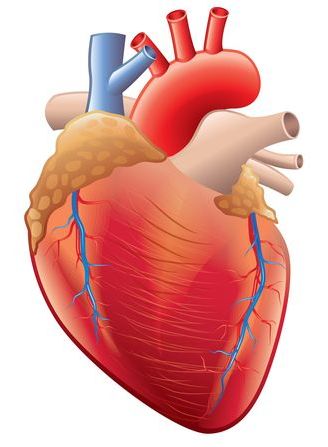
A study on animals with autoimmune myocarditis was recently released in the journal Cell Reports [1], showing the impact of heart inflammation on the types of immune cell that are formed in the heart. This could have a significant impact on our understanding of cardiac aging.

What is myocarditis and how is it relevant to aging?

Myocarditis is a disease involving inflammation of the heart. It mainly influences people between the ages of 20 and 51 [2] [3]; however, the elderly are still affected to some degree. The disease has been known to cause serious complications, such as heart attack and heart failure.

The intestinal microbiota fuelling metabolic inflammation

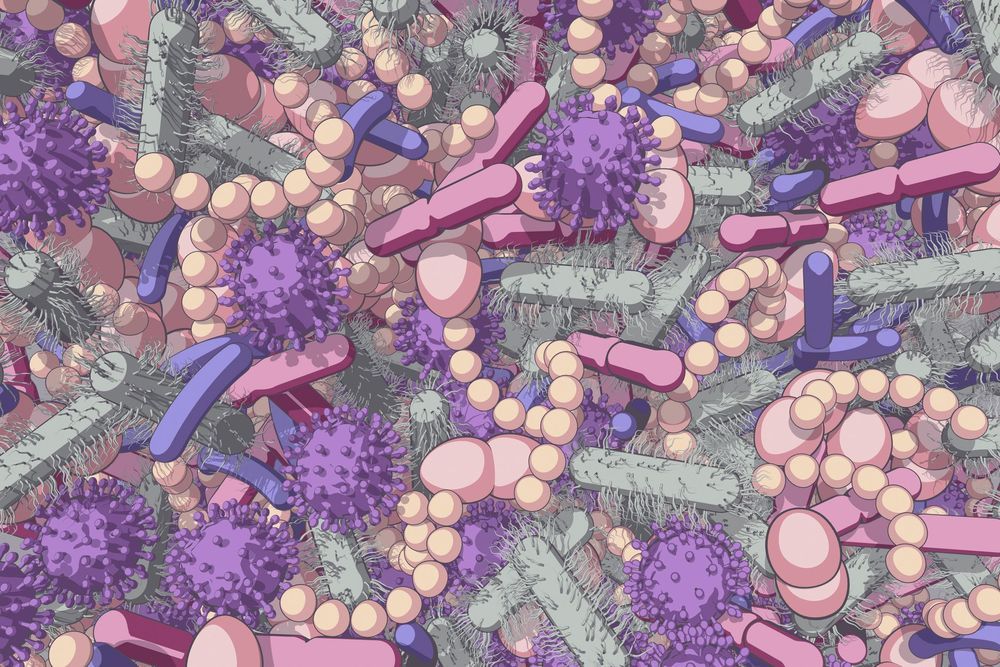
Low-grade inflammation is the hallmark of metabolic disorders such as obesity, type 2 diabetes and nonalcoholic fatty liver disease. Emerging evidence indicates that these disorders are characterized by alterations in the intestinal microbiota composition and its metabolites, which translocate from the gut across a disrupted intestinal barrier to affect various metabolic organs, such as the liver and adipose tissue, thereby contributing to metabolic inflammation. Here, we discuss some of the recently identified mechanisms that showcase the role of the intestinal microbiota and barrier dysfunction in metabolic inflammation. We propose a concept by which the gut microbiota fuels metabolic inflammation and dysregulation.

Japan approves experiments splicing human DNA with animal embryos

It seems like the next step in human evolution (or animal evolution depending on where you’re standing) will be man-made. According to a recent report by Nature, Japan’s government has just approved experiments that will splice human cells into animal embryos, and then implant said embryos into surrogate animals, in an effort to grow human-congruent organs that can be used for transplant purposes.

Heading the experiments at the University of Tokyo is Hiromitsu Nakauchi, who plans to nurture human cells in rat and mouse embryos before moving the developing fetus to yet another animal for gestation. The hope is that the embryo will develop into an animal with human cells, meaning that the organs inside the newly-grown beast could then be surgically placed inside sick individuals that need new hearts, livers, pancreases — you name it.

Whole Body Vibration Shakes Up Microbiome and Reduces Inflammation in Diabetes

Prior studies in mice have shown that whole body vibration (WBV) can mimic some of the positive effects on health of exercise, and even reverse some of the symptoms of type 2 diabetes. New research by a team at the Medical College of Georgia (MCG) and Dental College of Georgia (DCG) at Augusta University has provided new clues as to the mechanisms involved. Their studies in a mouse model of obesity showed that WBV results in increased levels of inflammation-suppressing immune system macrophages, and high numbers of gut bacteria that makes short-chain fatty acids (SCFAs), which can help the body better utilize glucose.

The findings “… support the notion that WBV has the potential to alter the microbiota in a way that triggers innate and mucosal immunity to produce anti-inflammatory responses, down-regulating the hyper-inflammatory state and reversing the adverse consequences,” the investigators wrote in their published paper in the International Journal of Molecular Sciences. “More studies are required to solidify this novel approach, which can be a very affordable and effective therapeutic modality in the prevention and treatment of many diseases, including diabetes and obesity.” The researchers, headed by Jack Yu, MD, chief of pediatric plastic surgery at MCG, and Babak Baban, PhD, immunologist and intern associate dean for research at DCG, reported their findings in a paper titled, “Whole Body Vibration-Induced Omental Macrophage Polarization and Fecal Microbiome Modification in a Murine Model.”

The combination of high-fat, sugar-heavy diets and “massively reduced physical activities” is largely responsible for what the researchers called “an epidemic of obesity and chronic metabolic diseases,” including type 2 diabetes. Chronic inflammation is a major contributory factor to the development of metabolic and cardiovascular diseases, and the immune system’s macrophages play a key role in regulating inflammatory responses.
Inside DeepMind’s epic mission to solve science’s trickiest problem

For DeepMind, the emergence of the new headquarters is symbolic of a new chapter for the company as it turns its research heft and compute power to try to understand, among other things, the building blocks of organic life. In so doing, the company hopes to make breakthroughs in medicine and other disciplines that will significantly impact progress in a number of fields. “Our mission should be one of the most fascinating journeys in science,” Hassabis says. “We’re trying to build a cathedral to scientific endeavour.”


DeepMind’s AI has beaten chess grandmasters and Go champions. But founder and CEO Demis Hassabis now has his sights set on bigger, real-world problems that could change lives. First up: protein folding.

/* */