Toggle light / dark theme

Wear masks in public, WHO says in new advice

The World Health Organization (WHO) has changed its advice on face masks, saying they should be worn in public where social distancing is not possible to help stop the spread of coronavirus.

The global body said new information showed they could provide “a barrier for potentially infectious droplets”.

Some countries already recommend or mandate face coverings in public.

Scientists find link between COVID-19 severity and genetics

Chinese scientists also found that patients with blood type A were more likely to develop a severe case of COVID-19, according to the Times.

While the Chinese study does support the new study, questions remain on why blood type affects the severity of the illness. “That is haunting me, quite honestly,” said Franke.

The locus where the blood-type gene is located also contains DNA that acts an on-off switch for a gene producing a protein that triggers strong immune responses.

Coronavirus vaccine: White House narrows focus, a billionaire scientist jumps in the race

Global efforts to develop a coronavirus vaccine continue, even as mass protests against racial injustice and police brutality persist in cities across the United States and around the world, raising concerns that the gatherings could spark new waves of infection.

As the number of confirmed coronavirus cases rose to nearly 6.3 million worldwide, experts reaffirmed their hope that at least one promising vaccine candidate could be identified by the end of the year.

Lancet, NEJM retract Covid-19 studies that sparked backlash

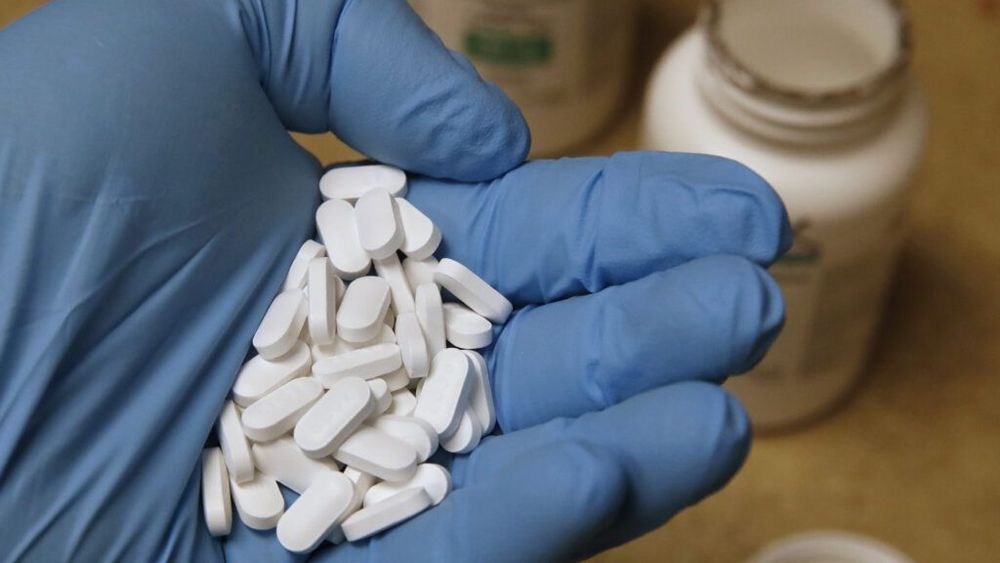
The Lancet, one of the world’s top medical journals, on Thursday retracted an influential study that raised alarms about the safety of the experimental Covid-19 treatments chloroquine and hydroxychloroquine amid scrutiny of the data underlying the paper.

Just over an hour later, the New England Journal of Medicine retracted a separate study, focused on blood pressure medications in Covid-19, that relied on data from the same company.


The journals said the authors of the paper were unable to complete an independent audit of the data underpinning their analyses.

The Safety of Stimulant Medication Use in Cardiovascular and Arrhythmia Patients

· 24 mins ·

Safety was the reason the WHO stopped clinical trials of a drug that is not even an amphetamine. This happened before the racial divide, distraction, and mass confusion.

So let US think with a clear head. If Hydroxychloroquine is unsafe because of heart concerns, why give children amphetamines for ADHD, when marijuana and other natural measures offer many more safer alternatives? I know of them, why don’t the WHO and FDA, who know more than I do know as well? I can start a w… See More.


First-line stimulant class medications, such as methylphenidate and amphetamine formulations are FDA approved for the treatment of Attention Deficit Hyperactivity Disorder (ADHD) and narcolepsy. It is estimated that 4.4% of US adults experience some symptoms and disabilities of ADHD. However adults receive 32% of all issued stimulant prescriptions.1 Off-label treatment for conditions including weight management, fatigue related to depression, stroke, traumatic brain injury, or hyper-somnolence due to Obstructive Sleep Apnea (OSA) may account for the high prevalence of stimulant use in adults. Such conditions are frequently associated with history or risk of cardiovascular disease. Of note, OSA and other forms of sleep-disordered breathing have unfavorable effects on cardiovascular physiology, predisposing affected individuals to cardiovascular disease and cardiac arrhythmias.2,3

Due to reports of cardiovascular adverse events and observed physiological effects, the package inserts for stimulant drugs warn against use in patients with preexisting heart disease or cardiac structural abnormalities due to risk of sudden death, stroke, and myocardial infarction (MI).4–6 Furthermore, the FDA issued a safety announcement in 2011 stating that stimulant products and atomoxetine should not be used in patients with serious heart problems, or for whom an increase in blood pressure (BP) or heart rate (HR) would be problematic.7 Table 1 summarizes the available stimulant and stimulant-like medications, including those referenced by the FDA. Debate remains on the safety of stimulants in the cardiovascular population. Specifically, the use of stimulants in patients with history of or susceptible to arrhythmias has not been studied. In an effort to elucidate risk, interpretation of current evidence surrounding stimulant and stimulant-like drugs is offered.


Optimising Performance of the Human Body and Mind with Defense Advanced Research Projects

Ira Pastor, ideaXme life sciences ambassador, interviews Dr. Eric Van Gieson, Program Manager in the Biological Technologies Office (BTO) at DARPA. https://www.darpa.mil/staff/dr-eric-van-gieson

Ira Pastor Comments

On several recent ideaXme episodes, we have spent time on different topics pertaining to human health, disease, degeneration and aging, focused on a variety of therapeutic and preventative interventions being developed in the private sector of the economy, both here in the U.S. and more broadly globally.

We’ve also had representatives from various independent agencies of the United States Federal Government, the UK government (UKRI), and other foreign governmental agencies, join us to discuss many of the exciting public sector discoveries and development occurring, that possess massive trickle down benefits to the general public.

For example, over the last few months ideaXme has had several guests that have worked in different roles within NASA (U.S. National Aeronautics and Space Administration) talking about how research in space, can help improve the lives of us on Earth, where topics have included the bio-dynamics of sub-orbital flight training, astrobiology on the International Space Station (ISS), and even isolation chamber training for physical / psychological dynamics pertaining to future missions back to the Moon and Mars.

DARPA:

Way too many Americans have gargled with bleach, sprayed their bodies with disinfectants to prevent COVID-19

Nearly 4 in 10 American adults reported engaging in dangerous cleaning practices to prevent COVID-19, such as washing food with bleach, using household disinfecting products on their skin or intentionally inhaling vapors from cleaning products, according to a recent survey.

A report from the Centers for Disease Control and Prevention (CDC) follows an earlier study describing an increase in calls to poison control centers regarding exposure to household cleaners, during the COVID-19 pandemic.

World’s first study of potential COVID-19 antibody treatment in humans

The first patients have been dosed in a study of LY-CoV555, the lead antibody from Lilly’s collaboration with AbCellera. See our blog at: https://www.futuretimeline.net/blog/2020/06/4-covid-19-antibodies.htm

Follow us on Twitter: https://twitter.com/future_timeline
Follow us on Instagram: https://www.instagram.com/ftimeline/
Follow us on Facebook: https://www.facebook.com/futuretimeline.net/
Follow us on Reddit: https://www.reddit.com/r/futuretimeline/

To Think Like a Dinosaur: Paleontologists Created the Most Detailed 3D-Model of Ankylosaur Brain

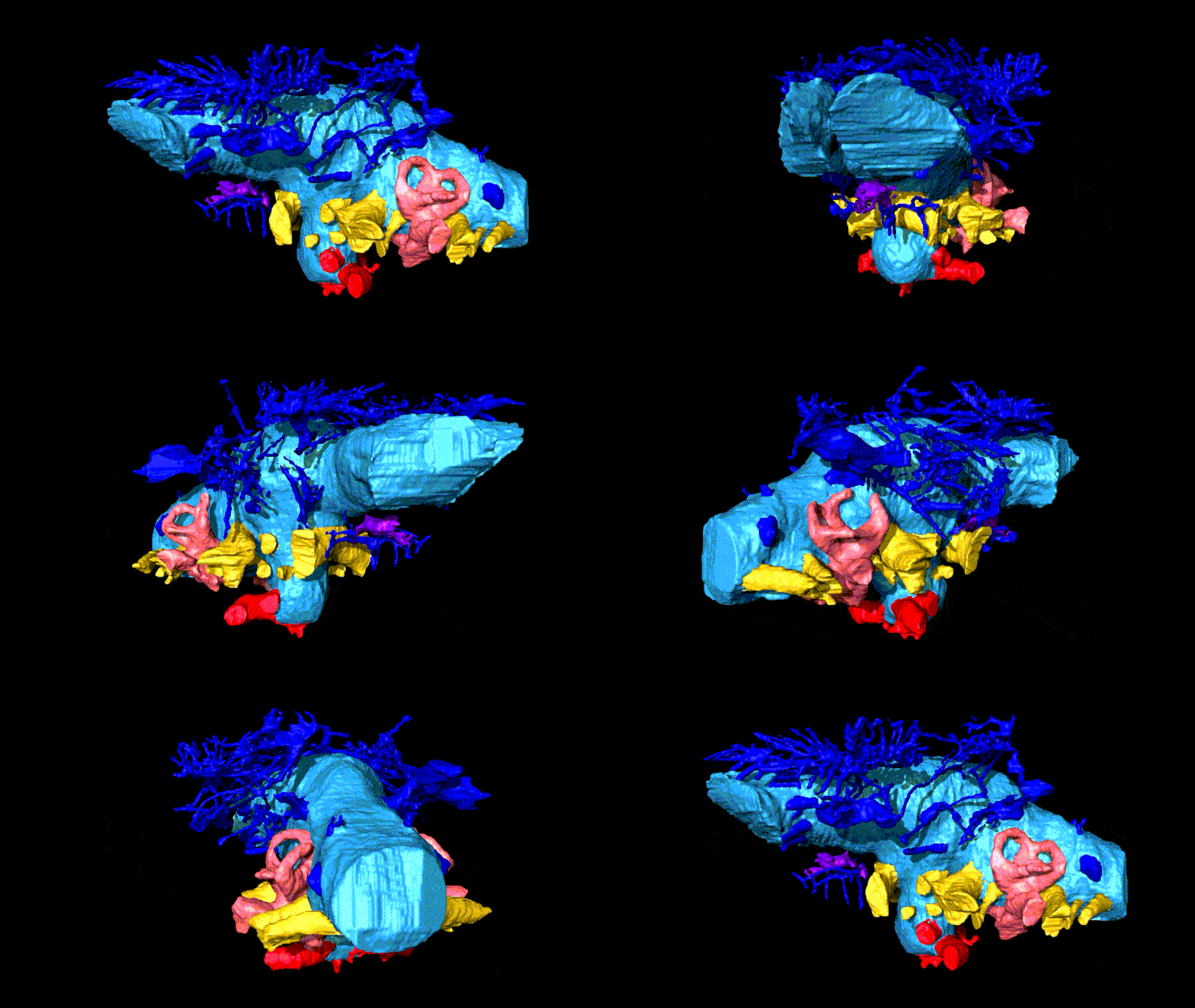
Paleontologists at St Petersburg University created the most detailed virtual 3D-model of the endocranial cast and blood vessels of the head of an ankylosaurian.

Paleontologists from St Petersburg University have been the first to study in detail the structure of the brain and blood vessels in the skull of the ankylosaur Bissektipelta archibaldi. It was a herbivorous dinosaur somewhat similar in appearance to a modern armadillo. The first three-dimensional computer reconstruction of a dinosaur endocast made in Russia — a digital cast of its braincase — was of help to the scientists. It made it possible to find out that ankylosaurs, and Bissektipelta in particular, were capable of cooling their brains, had an extremely developed sense of smell, and heard low-frequency sounds. However, their brain was one and a half times smaller than that of modern animals of the same size.

Ankylosaurs appeared on Earth in the middle of the Jurassic — about 160 million years ago — and existed until the end of the dinosaur era, which ended 65 million years ago. These herbivorous animals were somewhat reminiscent of modern turtles or armadillos, were covered with thick armor, and sometimes even had a bony club on the tail. The researchers became interested in the uniquely-preserved remains of ankylosaurs from Uzbekistan. Although these fossils have been known for 20 years, only now have the scientists had a unique opportunity to study the specimens from the inside using cutting-edge methods.

/* */