Toggle light / dark theme

Sjögren Syndrome Candidate Autoantigen AQP5 Triggers AQP4 CNS Autoimmunity Through Self-Antigen Mimicry

Tumor-immune-neural circuit in cancer cachexia.

The mechanisms involved in cancer-mediated cachexia and anorexia are not well understood.

The researchers in this study delineate an interplay among tumor cells, immune cells, and the nervous system that drives cancer cachexia and anorexia.

The authors show thay loss of GDF15 protects against appetite loss, muscle wasting, and fat loss in pancreatic, lung, and skin cancers.

Disrupting this feedforward loop with GDF15-neutralizing antibody, anti-CSF1R antibody, or Rearranged during Transfection (RET) inhibitor alleviates cachexia and anorexia across cancer models. sciencenewshighlights ScienceMission https://sciencemission.com/Tumor-immune-neural-circuit


Shi et al. delineate an interplay among tumor cells, immune cells, and the nervous system that drives cancer cachexia and anorexia. Specifically, tumor-derived CSF1 induces macrophage GDF15, which signals through the GFRAL-RET neural axis to enhance β-adrenergic activity and systemic wasting. Disrupting this feedforward loop alleviates cachexia across cancer models.


Did Life Begin in the Cold? New Experiments Point to an Icy Origin

Experiments reveal that unsaturated lipid membranes promote vesicle fusion and DNA retention during freeze–thaw cycles, highlighting icy environments as potential drivers of protocell evolution. Today’s cells are extraordinarily intricate. They contain internal scaffolding known as cytoskeletons.

Developmental ‘switch’ in brain may shape lifelong obesity risk

Researchers at UT Southwestern Medical Center have discovered that a crucial developmental process in the brain’s hypothalamus may influence how susceptible individuals are to obesity. Their preclinical findings, published in Neuron, show that a transcription factor called Otp acts as a molecular “switch” that directs immature hypothalamic neurons toward either appetite-suppressing or appetite-stimulating fates—their ultimate identities as specialized cells. The researchers found that disrupting this switch alters feeding behavior and protects mice from diet-induced obesity.

“These findings show that early developmental decisions in the hypothalamus have a long-lasting impact on energy balance,” said senior author Chen Liu, Ph.D., Associate Professor of Internal Medicine and Neuroscience and an Investigator in the Peter O’Donnell Jr. Brain Institute at UT Southwestern.

“By uncovering this fate-switching program, we can begin to understand how the brain establishes lifelong metabolic set points.”

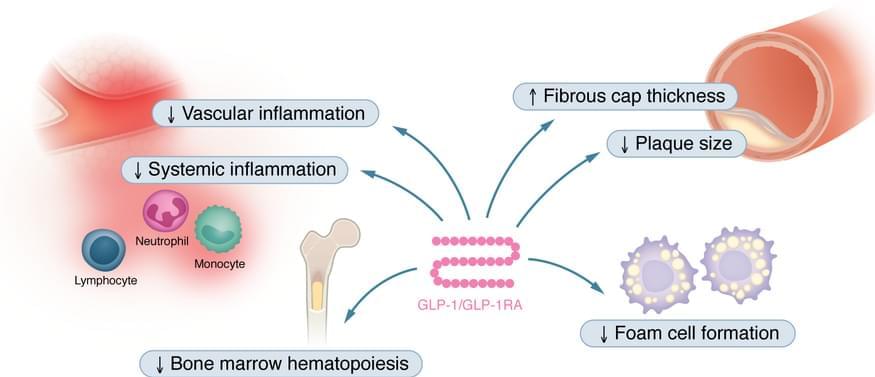
Abstract: GLP-1 and the cardiovascular system

As part of JCI’s Review Series on Clinical Innovation and Scientific Progress in GLP-1 Medicine Florian Kahles, Andreas L. Birkenfeld, & Nikolaus Marx summarize the effects of GLP-1 and GLP-1RAs in the cardiovascular system as well as clinical data of GLP-1RAs in individuals with cardiovascular disease or in those at high risk.


1Department of Internal Medicine I, University Hospital Aachen, RWTH Aachen, Aachen, Germany.

2German Center for Diabetes Research (DZD), Neuherberg, Germany.

3Department of Internal Medicine IV, Diabetology, Endocrinology and Nephrology, Eberhard-Karls University Tübingen, Tübingen, Germany.

Debilitating tropical virus can spread in cool weather, posing a greater health risk than previously thought

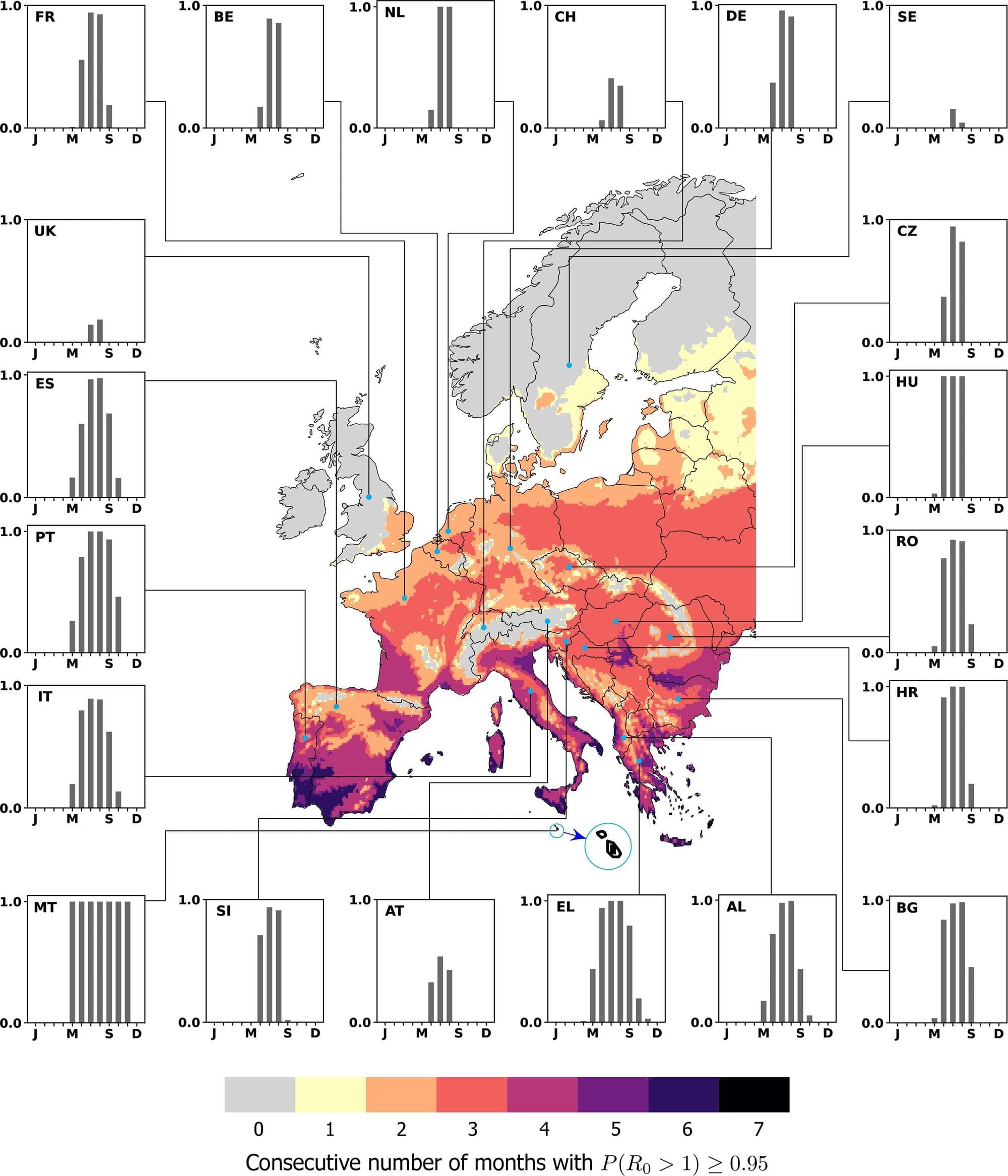
Chikungunya virus, a debilitating tropical disease caused by infected mosquito bites, poses a greater health threat in Europe than previously thought because it can be spread when air temperatures are as low as 13°C. Researchers at the UK Center for Ecology & Hydrology investigated the ability of the Asian tiger mosquito to spread the virus, which is rarely fatal but can cause long-term chronic joint pain.

They drew up a map showing the extent of the risk of chikungunya for 10 km-square areas across Europe including the U.K. The risk map shows the threat of virus transmission may last several months of the year in warmer parts of the continent where the tiger mosquito is already established. The research is published in the Journal of the Royal Society Interface.

There were record numbers of local outbreaks of chikungunya in France and Italy in 2025, and the tiger mosquito has also been responsible for increasing numbers of cases of dengue fever in these countries in recent years. This mosquito species is only occasionally detected in south-east England and is not yet established, so the current risk of local transmission in the U.K. remains very low.

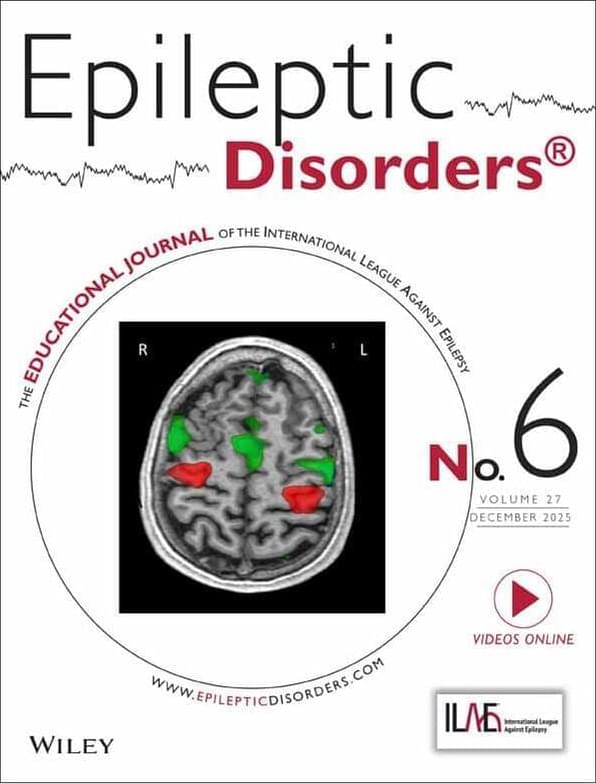
The enigma of reflex eating epilepsy: A cohort study of 50 patients with insights from multimodal evaluation

“EE is a disabling form of reflex epilepsy with heterogeneous clinical, EEG and neuroimaging features, which are not necessarily substrate-specific. Findings from our study point to the presence of a wide epileptogenic network prominently involving perisylvian regions. Treatment outcomes in drug-refractory EE remain suboptimal, and further studies are needed for a better understanding and management of this complex entity.”

Read this original article from Epileptic Disorders at doi.org/10.1002/epd2.70132.


Objectives To evaluate the clinical, electroencephalographic (EEG), neuroimaging characteristics, and treatment outcomes of patients diagnosed with eating epilepsy (EE). Methods This retrospective study was conducted at a tertiary care epilepsy referral center in India. Patients diagnosed with EE between 2002 and 2025, with at least one EEG and magnetic resonance imaging (MRI) available for review, were consecutively included. Clinical data and multimodal evaluation findings including video EEG, brain MRI, positron emission tomography-MRI (PET-MRI), and magnetoencephalography (MEG) were systematically collected using a structured proforma. Seizure outcomes and treatment strategies were subsequently analyzed.

Ancient mind-body practice proven to lower blood pressure in clinical trial

A traditional Chinese mind-body practice that combines slow, structured movement, deep breathing and meditative focus lowered blood pressure as effectively as brisk walking in a large randomized clinical trial published in JACC. Blood pressure reductions were seen after three months and sustained for one year.

High blood pressure is one of the leading preventable risk factors for heart disease. Clinical guidelines recommend regular physical activity, yet long-term adherence to exercise programs is challenging for many people, particularly when routines require equipment, dedicated space, gym memberships or ongoing supervision.

Baduanjin is a widely practiced, standardized eight-movement sequence that integrates aerobic, isometric, flexibility and mind–body components. Practiced for centuries and commonly performed in community settings across China, the routine typically takes 10–15 minutes and requires no equipment and only minimal initial instruction, allowing it to be performed in a wide range of settings. Because it is low-to moderate-intensity, it is considered safe and accessible for many adults.

/* */