Toggle light / dark theme

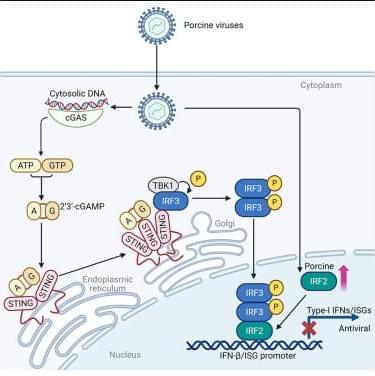
Porcine IRF2 suppresses the cGAS-STING-mediated antiviral IFN signaling by competing IRF3 for binding to the IFN promoter

Sen Jiang et al. identify porcine IRF2 as a potent inhibitor of innate immune cGAS-STING-IRF3-IFN antiviral signaling pathway via systemic screenings, and they further dissected the mechanism of action by porcine IRF2 for negative regulation. This research unveiled a distinct function of IRF2 and provides justification for intervention of porcine viral diseases.

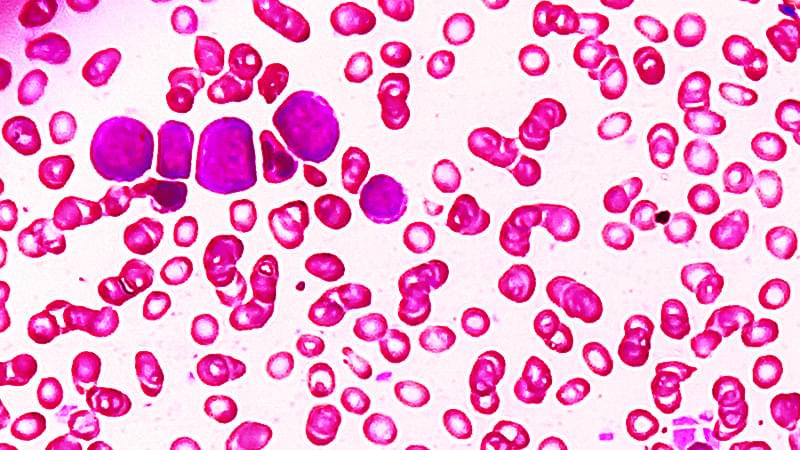
How Nanotech Made an Old Leukemia Drug 22,000x Stronger

Structural nanomedicine — what helped give us the COVID vaccine — may now be the key to a potent blood cancer treatment that’s had remarkable early results.


The findings, published in ACS Nano, show that just two doses of the experimental therapy achieved 97.5% tumor growth inhibition in a human AML xenograft mouse model — 59-fold more effective than standard 5-fluorouracil (5-FU) treatment, with no observable side effects.

For a disease with a grim 29% 5-year survival rate — and a cure rate of only 15% in patients older than 70 years — the findings offer a glimpse of how rethinking drug structure, not just chemistry, could advance cancer care.

Mirkin frames the findings within what he calls “the era of structural nanomedicine,” the idea that how you arrange medicinal components at the nanoscale matters as much as the molecules themselves.

Circulating Ketone Bodies and Incident Cardiovascular Outcomes and Mortality: Insights From the UK Biobank

Higher ketone body levels are associated with increased cardiovascular events and mortality in a large population cohort. @paragchevli @DrMichaelShapir @wakeforestmed @WFCardiology


BackgroundKetone bodies (KB) are endogenous energy sources synthesized by the liver in response to metabolic stress. Their associations with atherosclerotic cardiovascular disease (ASCVD), heart failure (HF), and mortality and their potential beneficial or harmful effects have yet to be determined. This study aimed to examine the association between KB and incident cardiovascular outcomes and mortality in a large general population cohort free from ASCVD and HF at baseline.

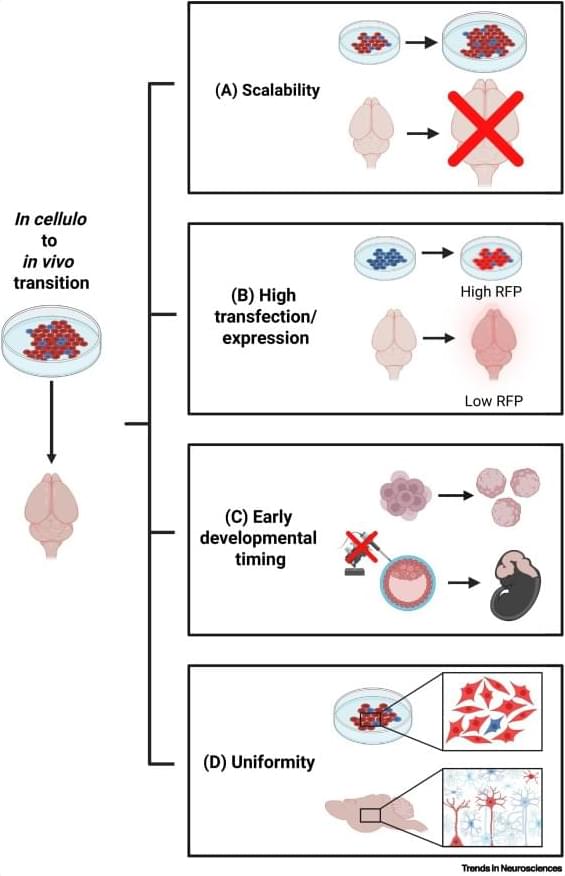
Challenges and opportunities in adapting high-throughput functional assays for in vivo neuroscience

High-throughput functional assays such as CRISPR screens and massively parallel reporter assays have transformed studies of gene regulation in cultured cells, but their translation to neuroscience remains limited.

The brain presents unique barriers to scaling these assays, including delivery bottlenecks, low recovery, and the complexity of cellular diversity and spatial architecture.

Emerging strategies—ranging from optimized viral vectors and streamlined library design to integration with singlecell and spatial transcriptomics—offer paths to overcome these limitations.

Together, these innovations are paving the way toward in vivo functional genomics approaches that can bridge the gap between genetic variation, regulatory logic, and brain function. sciencenewshighlights ScienceMission https://sciencemission.com/high-throughput-functional-assays

Precision tumor imaging with a fluorescence probe and engineered enzymes

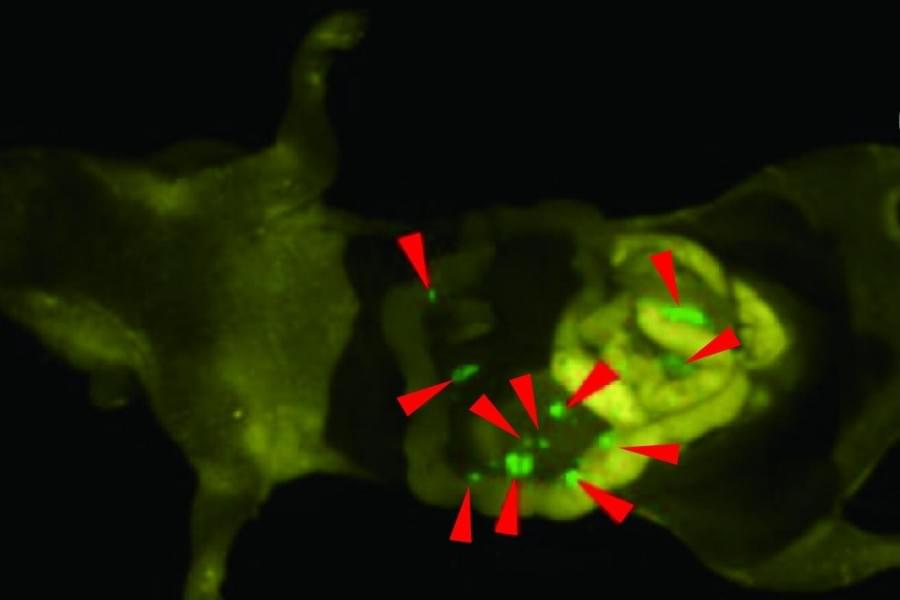
Successful cancer surgery depends on a surgeon’s ability to remove tumors, while minimizing harm to healthy tissues. Surgeons currently use glowing dyes which mark cancer cells to help differentiate from healthy cells, but these dyes aren’t perfect and will light up some healthy tissues too. For the first time, researchers including those from the University of Tokyo developed what they call a bioorthogonal fluorescence probe and a matching reporter enzyme that can activate the probe selectively at targeted tumor sites. This enables high-contrast tumor visualization with very low background. This study was performed in mice.

Cancer is a universal issue which affects uncountably many people around the world. Many will turn to surgery in the hope a surgeon will be able to completely remove a tumor leaving healthy tissues unaffected. Various tools and techniques have been developed over the years to improve the way these surgeries are performed, and visual imaging methods such as glowing dyes have proven to be very useful. But one drawback is that some probes can also be activated in healthy tissues by endogenous enzymes, creating background fluorescence and making it harder to judge what should be removed. The opposite is also possible, where cancer cells are left unmarked and are missed during surgery, increasing the chance of recurrence.

“Our group acknowledged this current shortcoming and improved upon this way to make cancer cells light up inside the body. In tests on mice, we delivered a special enzyme to tumors and used a fluorescence probe that only turns on when that enzyme is present,” said Associate Professor Ryosuke Kojima from the Laboratory of Chemical Biology and Molecular Imaging at the University of Tokyo. “Older probes often light up healthy tissue by mistake, creating background noise, but our highly selective, or bioorthogonal, dye probe is designed to stay completely off unless it meets its matching engineered enzyme. We essentially trained the enzyme through repeated mutation and selection, a form of directed evolution, so it could activate the probe strongly enough to work inside living animals.”

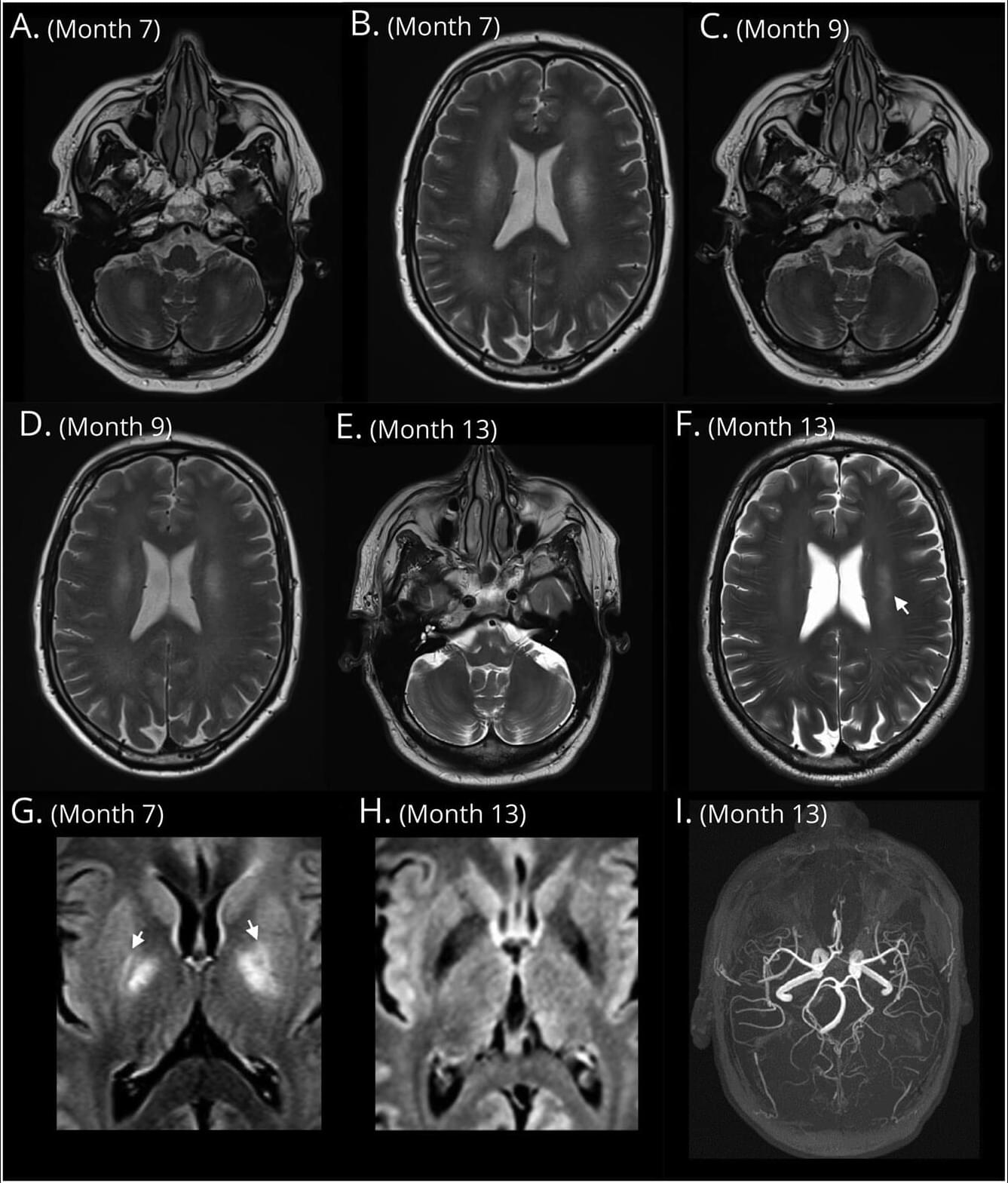
Pearls & Oy-sters: Reversible Leukoencephalopathy and Parkinsonism Due to CNS Involvement in Cryoglobulinemia

What is metabolic dysfunction–associated steatotic liver disease?

Metabolic dysfunction–associated steatotic liver disease (MASLD) involves accumulation of fat in the liver and may progress to liver inflammation and scarring.

The main risk factors for MASLD are obesity and type 2 diabetes.

Usually people with MASLD show no symptoms but some may feel tired or have pain or discomfort in the upper right side of their abdomen.

Eating a low-carbohydrate, low-fat, and low-calorie diet; avoiding alcohol; and exercise are the first-line of treatment for MASLD. sciencenewshighlights ScienceMission https://sciencemission.com/What-Is–MASLD


This JAMA Patient Page describes metabolic dysfunction–associated steatotic liver disease (MASLD) and its risk factors, symptoms and complications, diagnosis, and treatment.

Smart fluorescent molecules provide cheaper path to sharper microscopy images

Multiphoton microscopy is used in biomedical research to study cells and tissues. Today, so-called two-photon microscopy is used to study processes within cells, but the technique has limitations in terms of image resolution. Four-photon microscopy provides images with higher resolution. However, such instruments are very expensive and, when studying biological material, the powerful laser light required can damage samples.

“In this project, we have developed molecules to visualize molecular-level details and monitor processes using the more common two-photon microscopy technique. These molecules have the capacity to achieve higher resolution than with four-photon microscopy, although two-photon microscopy is used,” says the project coordinator Joakim Andréasson, Professor at the Department of Chemistry and Chemical Engineering at Chalmers University of Technology.

“In the long term, results from studies of this kind may provide new insights into diseases, pharmaceuticals and the very smallest building blocks of life.”

A rewritable DNA hard drive may help solve the growing data storage crisis

Around the world, scientists are exploring an unexpected solution to the growing data crisis: storing digital information in synthetic DNA. The idea is simple but powerful—DNA is one of the most compact, durable information systems on Earth. But one issue has held the field back. Once data is written into DNA, it can’t be changed.

Now, researchers at the University of Missouri are helping to solve that problem by transforming DNA from a one-time medium into a rewritable digital hard drive. Their research is published in the journal PNAS Nexus.

“DNA is incredible—it stores life’s blueprint in a tiny, stable package,” said Li-Qun “Andrew” Gu, a professor of chemical and biomedical engineering at Mizzou’s College of Engineering. “We wanted to see if we could store and rewrite information at the molecular level faster, simpler and more efficiently than ever before.”

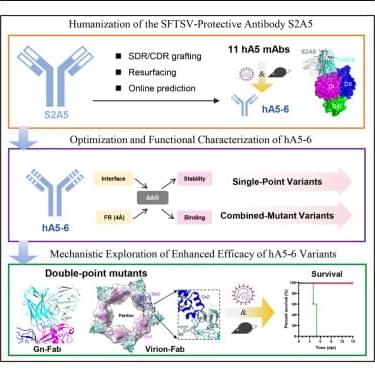
Humanization and engineering of protective antibodies targeting severe fever with thrombocytopenia syndrome virus Gn protein

Ren et al. humanize and structurally optimize a chimeric anti-SFTSV antibody, generating variants with markedly enhanced neutralization potency by strengthening binding to recombinant Gn and intact virions, providing full in vivo protection and establishing a generalizable framework for therapeutic antibody engineering.

/* */