Toggle light / dark theme

Synthetic Biology and AI: The Future of Brain and Body Replacement — SciCon 2024

At SciCon 2024, John Cumbers, founder and CEO of SynBioBeta, explores the groundbreaking and controversial potential of synthetic biology and AI in brain and body replacement. He delves into stem cell research and AI’s role in regenerating brain function, while also addressing the provocative idea of gradually replacing parts of the brain and body. Cumbers discusses how these advancements could one day lead to life extension, challenging traditional views on aging, and raising ethical questions about the future of human biology.

SciCon (2024) is ResearchHub’s annual conference, which unites truth-seekers and innovators to push the boundaries of open science.

– ResearchHub’s mission is to accelerate the pace of scientific research. We are building a modern platform where people can collaborate on scientific research more efficiently, much like GitHub has done for software engineering. We believe scientific research should be accessible to everyone, collaborative, and prioritized.

Product: https://www.researchhub.com/
Website: https://researchhub.foundation/
GitHub: https://github.com/ResearchHub
Penn engineers turn toxic fungus into anti-cancer compound

face_with_colon_three year 2025.


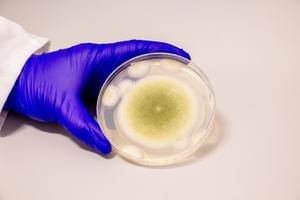
Penn-led researchers have turned a deadly fungus into a potent cancer-fighting compound. After isolating a new class of molecules from Aspergillus flavus, a toxic crop fungus linked to deaths in the excavations of ancient tombs, the researchers modified the chemicals and tested them against leukemia cells. The result? A promising cancer-killing compound that rivals FDA-approved drugs and opens up new frontiers in the discovery of more fungal medicines.

“Fungi gave us penicillin,” says Sherry Gao, Presidential Penn Compact Associate Professor in Chemical and Biomolecular Engineering (CBE) and in Bioengineering (BE) and senior author of a new paper in Nature Chemical Biology on the findings. “These results show that many more medicines derived from natural products remain to be found.”

Scientists turn cells’ most mysterious structures into spies on genetic activity

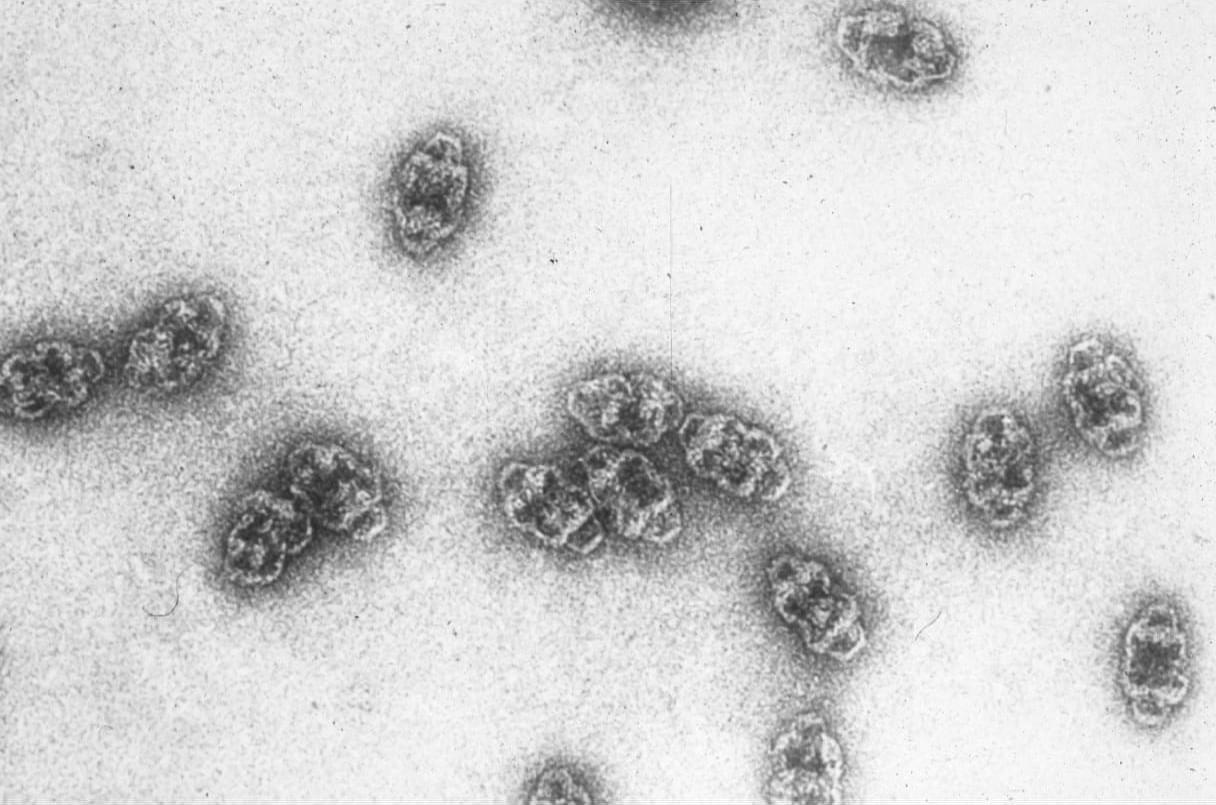
The barrel-shaped structures found by the thousands in most animal cells are one of biology’s biggest mysteries. But although researchers haven’t figured out the function of these “vaults,” they now report a new use for the puzzling particles.


Enigmatic ‘vaults’ can be engineered to eavesdrop on RNA, aiding cancer studies and more.

Chemist proposes shared ‘model proteins’ to improve reproducibility in protein science

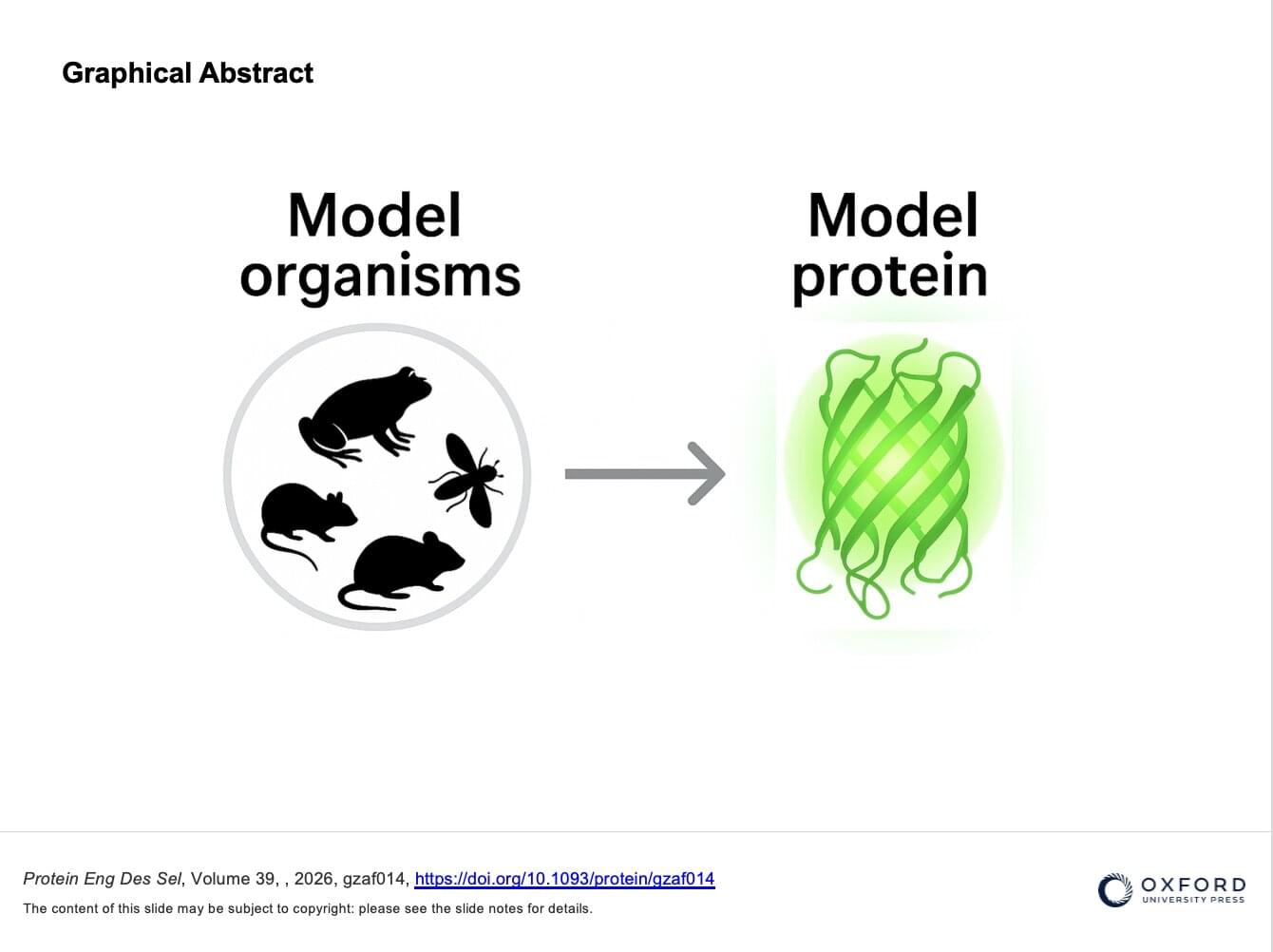
Protein scientists could improve reproducibility and coordination across the field by rallying around a small, shared set of “model proteins,” according to a new Perspective by Connecticut College chemist Marc Zimmer.

The article appears in the 40th-anniversary issue of Protein Engineering, Design and Selection. Zimmer argues that protein science is ready to adopt a framework similar to the one that transformed research using model organisms such as fruit flies, mice, yeast and C. elegans.

Those organisms became powerful research tools not only because their biology is conserved, Zimmer notes, but because scientific communities coordinated around them. Shared protocols, databases and benchmarks made results easier to compare, reproduce and build upon.

Collision-induced ribosome degradation driven by ribosome competition and translational perturbations

How cells eliminate inefficient ribosomes.

Inside every cell, ribosomes act as tiny but vital factories that build proteins, translating genetic information into the molecules that sustain life. Although ribosomes share the same basic structure, not all of them work with equal precision. Until now, scientists did not fully understand how cells detect and handle ribosomes that underperform.

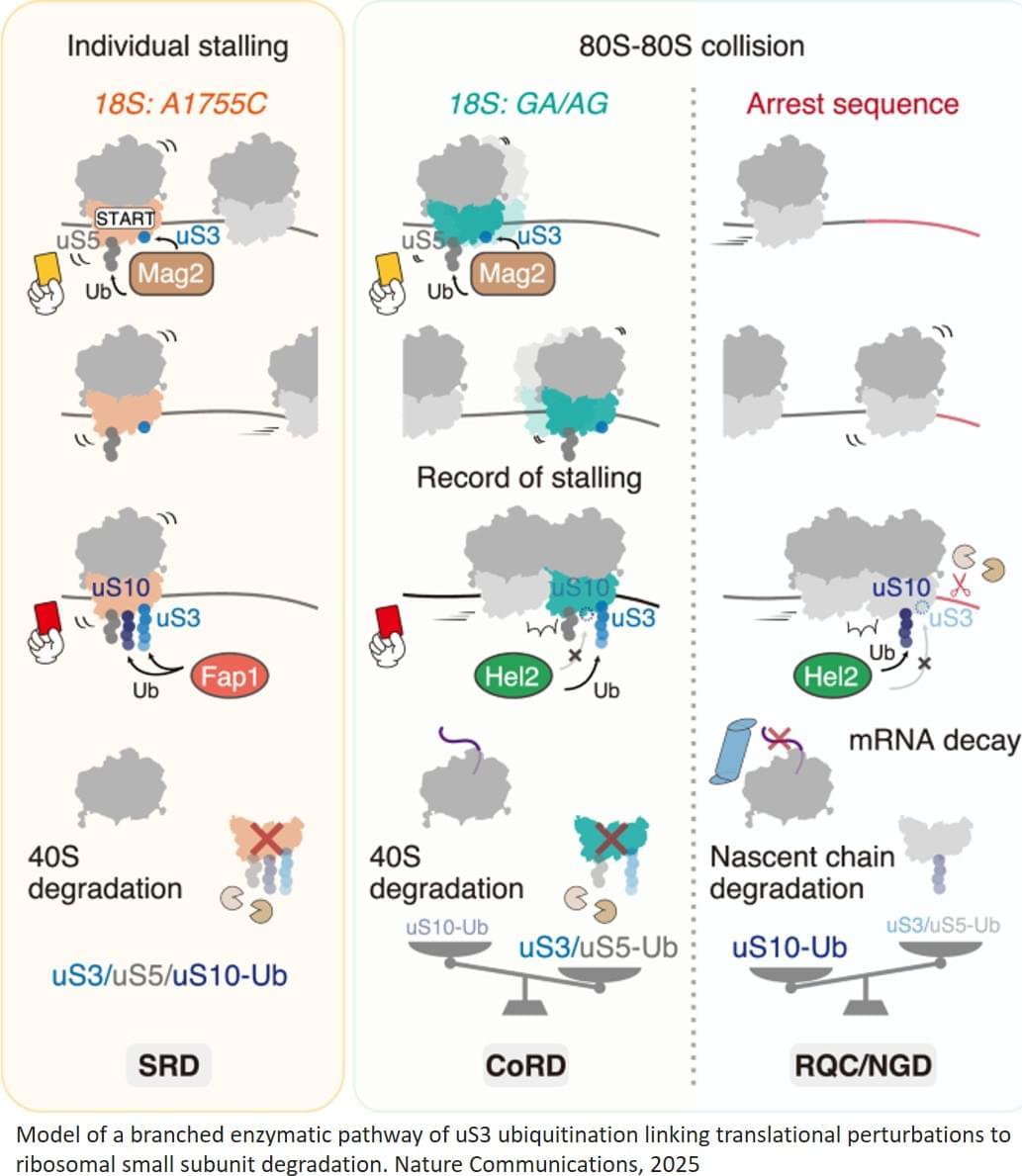
Addressing this question, a team of researchers has identified a quality control mechanism that ensures only the most competent ribosomes survive. Their study, published in Nature Communications shows that ribosomes compete during protein synthesis. When translation is disrupted, the less efficient ribosomes are selectively broken down, while the stronger ones continue functioning.

Using biochemical and genetic analyses in yeast, the researchers examined how ribosomes behave when translation is disrupted. The team engineered cells to contain a functional but suboptimal ribosome variant. These slower-moving ribosomes are overtaken on messenger RNA by faster, native ribosomes, causing the two types to collide. Such ribosome-ribosome collisions activate a ubiquitination-dependent quality control pathway that selectively removes the less efficient ribosomes.

The team also explored how external factors, such as the anticancer drug cisplatin affect this process. Cisplatin, known for binding to RNA and DNA, was found to increase ribosome collisions, which in turn promoted ribosome degradation. This insight could improve understanding of how the drug acts inside cells and why it sometimes causes side effects.

The implications of this discovery extend beyond basic biology. By showing how cells maintain the quality of their protein factories, the study provides a foundation for understanding disorders caused by ribosome malfunction, known as ribosomopathies. It may also open the door to new approaches for improving the safety and effectiveness of certain drugs.

Researchers Discover New Way To Wake Up Cancer-Killing T Cells

Researchers at the University of Southampton have identified a new strategy that could strengthen how the immune system responds to cancer.

Reporting their findings in Nature Communications, the scientists describe the use of specially engineered antibodies designed to more effectively switch on T cells that are capable of destroying cancer cells.

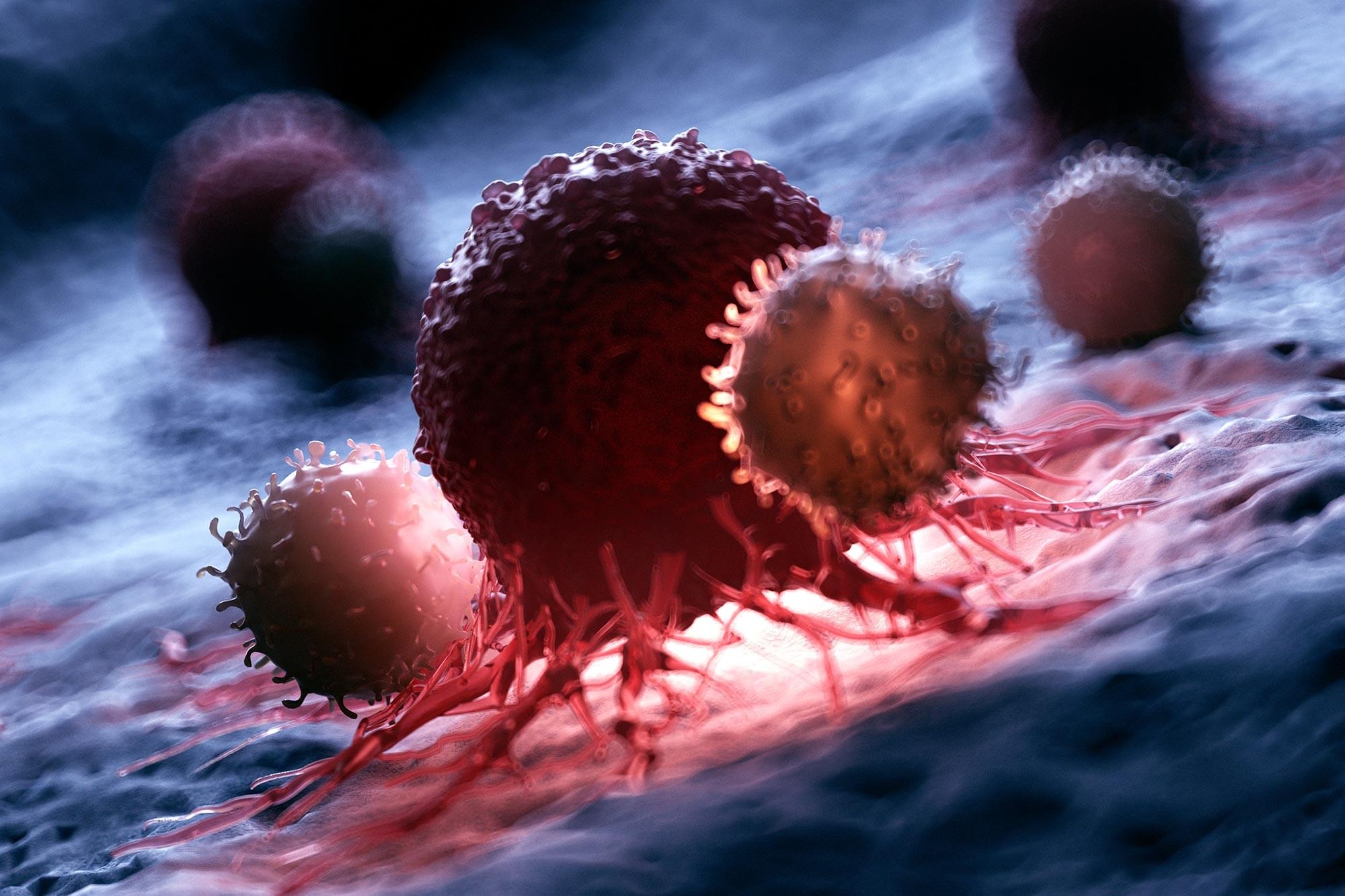
These antibodies act by ‘grabbing’ and ‘clustering’ several immune cell receptors at once, increasing the strength of the signal that instructs T cells to attack tumors.

Research shows how immune system reacts to pig kidney transplants in living patients

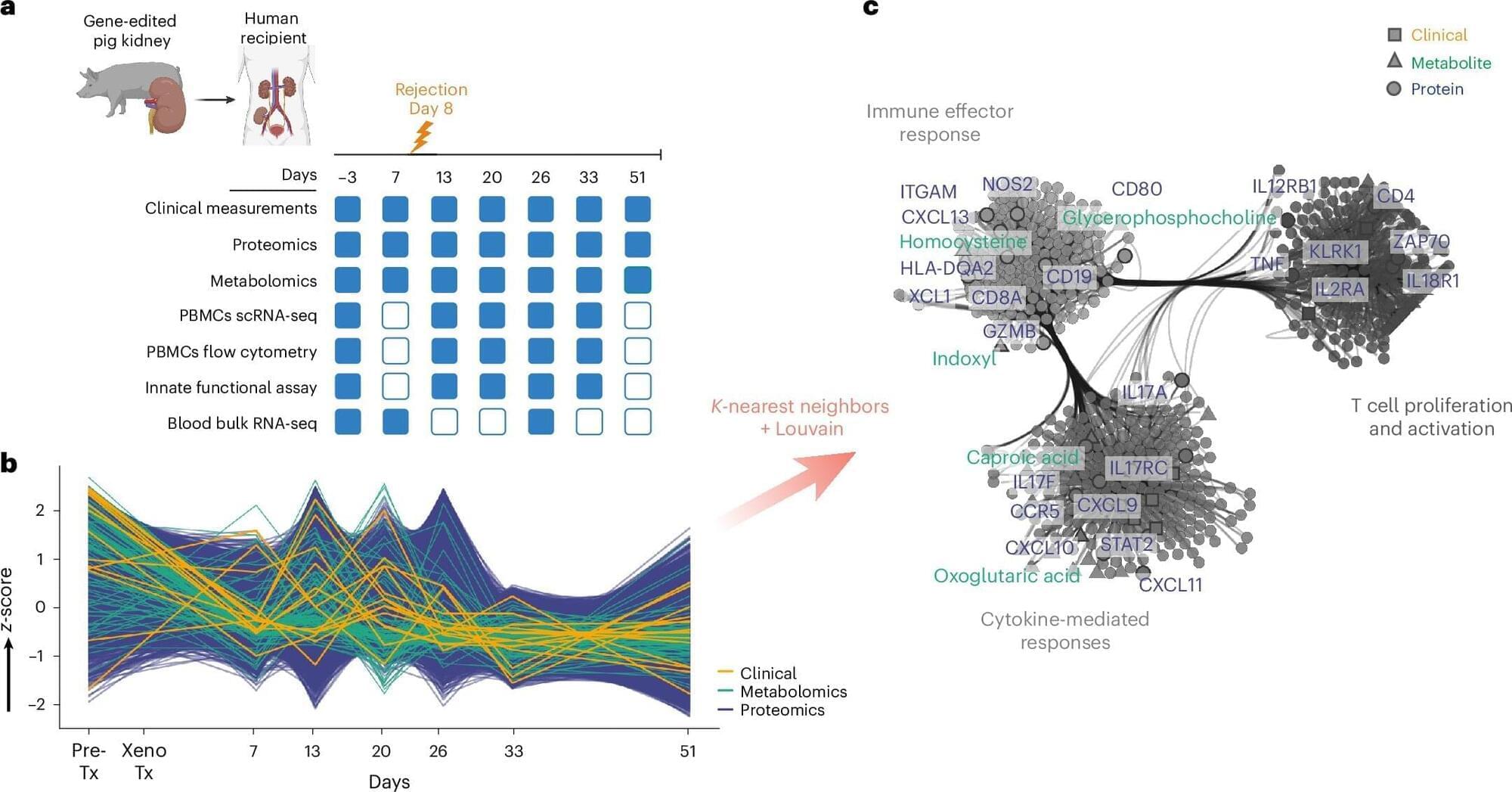
Novel research led by Brazilian scientists describes the immune system’s reactions in detail in the first living patient to receive a genetically modified pig kidney transplant. This paves the way for the search for therapies that can prevent organ rejection.

The study demonstrates the feasibility of this type of graft but indicates that controlling initial rejection alone is insufficient. This is because even with immunosuppressants, continuous activation of innate immunity—the body’s first line of defense, especially macrophages, which react to any threat—can compromise long-term survival.

Through transcriptomic, proteomic, metabolomic, and spatial analyses, the scientists have determined that new strategies are necessary to achieve long-term survival and favorable clinical outcomes. They recommend combining therapies that target innate immunity with advanced genetic engineering in donor pigs. They also suggest preventing early T lymphocyte-mediated rejection and implementing more sensitive monitoring approaches.

This CRISPR breakthrough turns genes on without cutting DNA

A new CRISPR breakthrough shows scientists can turn genes back on without cutting DNA, by removing chemical tags that act like molecular anchors. The work confirms these tags actively silence genes, settling a long-running scientific debate. This gentler form of gene editing could offer a safer way to treat Sickle Cell disease by reactivating a fetal blood gene. Researchers say it opens the door to powerful therapies with fewer unintended side effects.

Worm-Inspired Active Filaments Sweep Disorder into Order

The ability of single active filaments to cluster smaller particles could inspire new materials for building soft robots that perform biological functions.

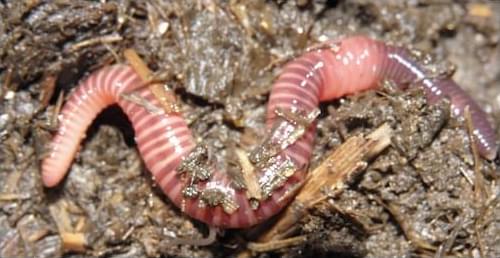
Every teenager knows that their room will not tidy up by itself. Without intervention, it will inevitably become messier, and they will need to do some work to turn disorder into order. When faced with a similar problem—particle collection—scientists have tried to get individual bacteria, robots, or other self-propelling units to put in the work [1, 2]. But unlike a teenager, a single such unit is usually insufficient to get the job done. Now Rosa Sinaasappel of the University of Amsterdam and her collaborators have proposed and tested a strategy that enables a single active filament to act as a sweeping agent [3]. Thanks to the versatility of polymer architectures, the investigation opens up a huge molecular-design space.

One of life’s most defining properties is its constant struggle against the second law of thermodynamics. At different scales, living organisms need to maintain complex structures or perform directed and persistent motion, feats that would be extraordinarily improbable in thermal equilibrium [4]. Organisms are able to sustain order against entropy by means of constant energy consumption, a feature called “activity.” Conceptually, the sweeping of small objects into piles is a similar problem. The goal is to reach a low-entropy state that is highly disfavored at equilibrium. Bacteria and other active particles, driven by their persistent motion, spontaneously aggregate, and they have been shown to induce clustering of passive particles [1, 2]. However, successful clustering typically requires using a large number of active particles or engineering a complex setting with a favorable geometry [5, 6].

CRISPR vs Aging: What’s Actually Happening Right Now

🧠 VIDEO SUMMARY:
CRISPR gene editing in 2025 is no longer science fiction. From curing rare immune disorders and type 1 diabetes to lowering cholesterol and reversing blindness in mice, breakthroughs are transforming medicine today. With AI accelerating precision tools like base editing and prime editing, CRISPR not only cures diseases but also promises longer, healthier lives and maybe even longevity escape velocity.

0:00 – INTRO — First human treated with prime editing.
0:35 — The DNA Problem.
1:44 – CRISPR 1.0 — The Breakthrough.
3:19 – AI + CRISPR 2.0 & 3.0
4:47 – Epigenetic Reprogramming.
5:54 – From the Lab to the Body.
7:28 – Risks, Ethics & Power.
8:59 – The 2030 Vision.

👇 Don’t forget to check out the first three parts in this series:
Part 1 – “Longevity Escape Velocity: The Race to Beat Aging by 2030″
Part 2 – “Longevity Escape Velocity 2025: Latest Research Uncovered!“
Part 3 – “Longevity Escape Velocity: How AI is making us immortal by 2030!”

📌 Easy Insight simplifies the future — from longevity breakthroughs to mind-bending AI and quantum revolutions.

🔍 KEYWORDS:
longevity, longevity escape velocity, AI, artificial intelligence, quantum computing, supercomputers, simplified science, easy insightm, CRISPR 2025, CRISPR gene editing, CRISPR cures diseases, CRISPR longevity, prime editing 2025, base editing 2025, AI in gene editing, gene editing breakthroughs, gene therapy 2025, life extension 2025, reversing aging with CRISPR, CRISPR diabetes cure, CRISPR cholesterol PCSK9, CRISPR ATTR amyloidosis, CRISPR medical revolution, Easy Insight longevity.

👇 JOIN THE CONVERSATION:

/* */