The Gs/Gd lineage of highly pathogenic H5 avian influenza viruses—including H5N1—has rapidly evolved, spreading globally and infecting a growing range of birds, mammals, and occasionally humans. This review highlights the expanding risks, the challenges of cross-species transmission, and urgent needs for surveillance, vaccination, and a unified One Health response.
AI surveillance, AI surveillance systems, AI surveillance technology, AI camera systems, artificial intelligence privacy, AI tracking systems, AI in public surveillance, smart city surveillance, facial recognition technology, real time surveillance ai, AI crime prediction, predictive policing, emotion detecting ai, AI facial recognition, privacy in AI era, AI and data collection, AI spying tech, surveillance capitalism, government surveillance 2025, AI monitoring tools, AI tracking devices, AI and facial data, facial emotion detection, emotion recognition ai, mass surveillance 2025, AI in smart cities, china AI surveillance, skynet china, AI scanning technology, AI crowd monitoring, AI face scanning, AI emotion scanning, AI powered cameras, smart surveillance system, AI and censorship, privacy and ai, digital surveillance, AI surveillance dangers, AI surveillance ethics, machine learning surveillance, AI powered face id, surveillance tech 2025, AI vs privacy, AI in law enforcement, AI surveillance news, smart city facial recognition, AI and security, AI privacy breach, AI threat to privacy, AI prediction tech, AI identity tracking, AI eyes everywhere, future of surveillance, AI and human rights, smart cities AI control, AI facial databases, AI surveillance control, AI emotion mapping, AI video analytics, AI data surveillance, AI scanning behavior, AI and behavior prediction, invisible surveillance, AI total control, AI police systems, AI surveillance usa, AI surveillance real time, AI security monitoring, AI surveillance 2030, AI tracking systems 2025, AI identity recognition, AI bias in surveillance, AI surveillance market growth, AI spying software, AI privacy threat, AI recognition software, AI profiling tech, AI behavior analysis, AI brain decoding, AI surveillance drones, AI privacy invasion, AI video recognition, facial recognition in cities, AI control future, AI mass monitoring, AI ethics surveillance, AI and global surveillance, AI social monitoring, surveillance without humans, AI data watch, AI neural surveillance, AI surveillance facts, AI surveillance predictions, AI smart cameras, AI surveillance networks, AI law enforcement tech, AI surveillance software 2025, AI global tracking, AI surveillance net, AI and biometric tracking, AI emotion AI detection, AI surveillance and control, real AI surveillance systems, AI surveillance internet, AI identity control, AI ethical concerns, AI powered surveillance 2025, future surveillance systems, AI surveillance in cities, AI surveillance threat, AI surveillance everywhere, AI powered recognition, AI spy systems, AI control cities, AI privacy vs safety, AI powered monitoring, AI machine surveillance, AI surveillance grid, AI digital prisons, AI digital tracking, AI surveillance videos, AI and civilian monitoring, smart surveillance future, AI and civil liberties, AI city wide tracking, AI human scanner, AI tracking with cameras, AI recognition through movement, AI awareness systems, AI cameras everywhere, AI predictive surveillance, AI spy future, AI surveillance documentary, AI urban tracking, AI public tracking, AI silent surveillance, AI surveillance myths, AI surveillance dark side, AI watching you, AI never sleeps, AI surveillance truth, AI surveillance 2025 explained, AI surveillance 2025, future of surveillance technology, smart city surveillance, emotion detecting ai, predictive AI systems, real time facial recognition, AI and privacy concerns, machine learning surveillance, AI in public safety, neural surveillance systems, AI eye tracking, surveillance without consent, AI human behavior tracking, artificial intelligence privacy threat, AI surveillance vs human rights, automated facial ID, AI security systems 2025, AI crime prediction, smart cameras ai, predictive policing technology, urban surveillance systems, AI surveillance ethics, biometric surveillance systems, AI monitoring humans, advanced AI recognition, AI watchlist systems, AI face tagging, AI emotion scanning, deep learning surveillance, AI digital footprint, surveillance capitalism, AI powered spying, next gen surveillance, AI total control, AI social monitoring, AI facial mapping, AI mind reading tech, surveillance future cities, hidden surveillance networks, AI personal data harvesting, AI truth detection, AI voice recognition monitoring, digital surveillance reality, AI spy software, AI surveillance grid, AI CCTV analysis, smart surveillance networks, AI identity tracking, AI security prediction, mass data collection ai, AI video analytics, AI security evolution, artificial intelligence surveillance tools, AI behavioral detection, AI controlled city, AI surveillance news, AI surveillance system explained, AI visual tracking, smart surveillance 2030, AI invasion of privacy, facial detection ai, AI sees you always, AI surveillance rising, future of AI spying, next level surveillance, AI technology surveillance systems, ethical issues in AI surveillance, AI surveillance future risks.
It’s spring, the birds are migrating and bird flu (H5N1) is rapidly evolving into the possibility of a human pandemic. Researchers from the University of Maryland School of Public Health have published a comprehensive review documenting research on bird flu in cats and calling for urgent surveillance of cats to help avoid human-to-human transmission.
The work is published in the journal Open Forum Infectious Diseases.
“The virus has evolved, and the way that it jumps between species—from birds to cats, and now between cows and cats, cats and humans—is very concerning. As summer approaches, we are anticipating cases on farms and in the wild to rise again,” says lead and senior author Dr. Kristen Coleman, assistant professor in UMD School of Public Health’s Department of Global, Environmental and Occupational Health and affiliate professor in UMD’s Department of Veterinary Medicine.
Today, we’re diving into how the 2004 reboot of Battlestar Galactica didn’t just serve up emotionally broken pilots and sexy robots—it predicted our entire streaming surveillance nightmare. From Cylons with download-ready consciousness to humans drowning in misinformation, BSG basically handed us a roadmap to 2025… and we thanked it with fan theories and Funko Pops.
🔎 Surveillance culture? Check. 👤 Digital identity crises? Double check. 🤯 Manufactured realities? Oh, we’re way past that.
Turns out, the Cylons didn’t need to invade Earth. We became them—scrolling, uploading, and streaming our humanity away one click at a time.
So join me as we break it all down and honor the sci-fi series that turned out to be way more documentary than dystopia.
👉 Hit like, share with your fellow glitchy humans, and check out egotasticfuntime.com before the algorithm decides fun is obsolete!
Previous studies reported that the association between statins use and influenza infection was contradictory. A systematic review and meta-analysis of longitudinal studies were performed to determine the association between statins use and influenza susceptibility. The literature search was conducted in PubMed, Embase, and Web of Science, from each database’s inception to 21 May 2023. The fixed effect model and random effects model were used for data synthesis. In our study, a total of 1,472,239 statins users and 1,486,881 statins non-users from five articles were included. The pooled risk ratio (RR) of all included participants was 1.05 (95% CI: 1.03–1.07), and there were still significant differences after adjusting for vaccination status. Of note, RR values in statins users were 1.06 (95% CI: 1.03–1.08) in people aged ≥60 years old and 1.05 (95% CI: 1.03–1.07) in participant groups with a higher proportion of females. Administration of statins might be associated with an increased risk of influenza infection, especially among females and elderly people. For those people using statins, we should pay more attention to surveillance of their health conditions and take measures to prevent influenza infection.
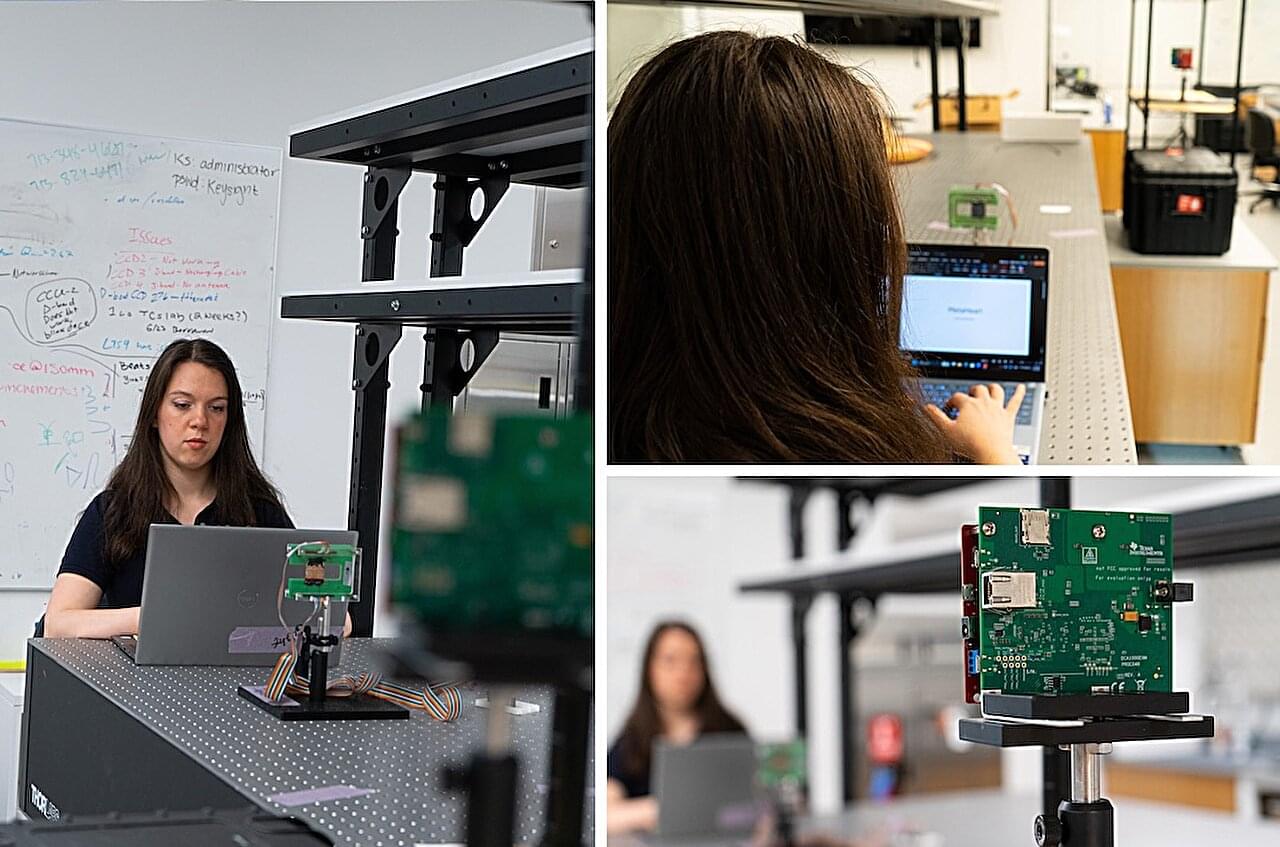
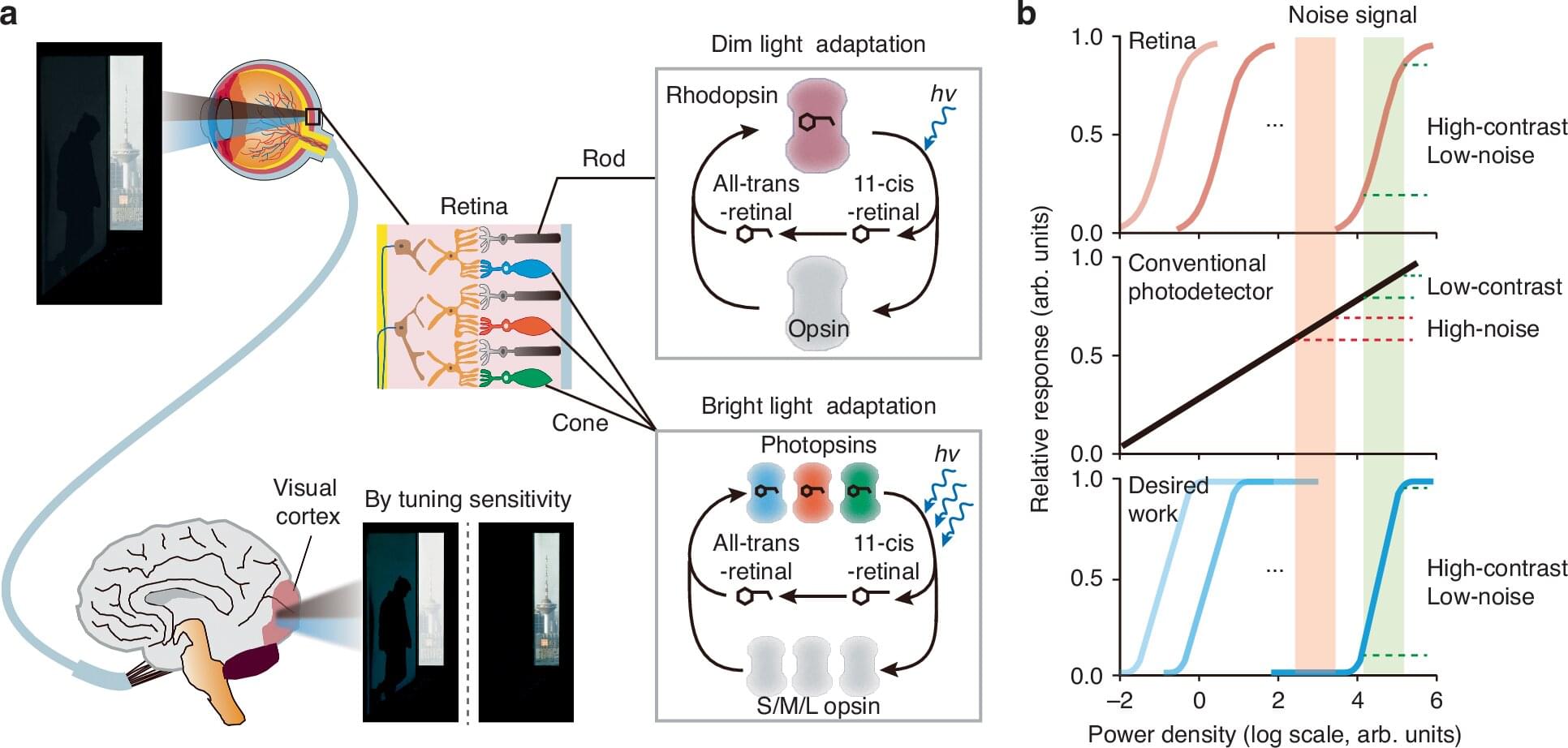
The frequency regime lying in the shortwave infrared (SWIR) has very unique properties that make it ideal for several applications, such as being less affected by atmospheric scattering as well as being “eye-safe.” These include Light Detection and Ranging (LIDAR), a method for determining ranges and distances using lasers, space localization and mapping, adverse weather imaging for surveillance and automotive safety, environmental monitoring, and many others.
However, SWIR light is currently confined to niche areas, like scientific instrumentation and military use, mainly because SWIR photodetectors rely on expensive and difficult-to-manufacture materials. In the past few years, colloidal quantum dots —solution-processed semiconducting nanocrystals—have emerged as an alternative for mainstream consumer electronics.
While toxic heavy-metals (like lead or mercury) have typically been used, quantum dots can also be made with environmentally friendly materials such as silver telluride (Ag2Te). In fact, silver telluride colloidal quantum dots show device performance comparable to their toxic counterparts. But they are still in their infancy, and several challenges must be addressed before they can be used in practical applications.
Distributed acoustic sensing (DAS) systems represent cutting-edge technology in infrastructure monitoring, capable of detecting minute vibrations along fiber optic cables spanning tens of kilometers. These systems have proven invaluable for applications ranging from earthquake detection and oil exploration to railway monitoring and submarine cable surveillance.
However, the massive amounts of data generated by these systems create a significant bottleneck in processing speed, limiting their effectiveness for real-time applications where immediate responses are crucial.
Machine learning techniques, particularly neural networks, have emerged as a promising solution for processing DAS data more efficiently. While the processing capabilities of traditional electronic computing using CPUs and GPUs have massively improved over the past decades, they still face fundamental limitations in speed and energy efficiency. In contrast, photonic neural networks, which use light instead of electricity for computations, offer a revolutionary alternative, potentially achieving much higher processing speeds at a fraction of the power.