Toggle light / dark theme

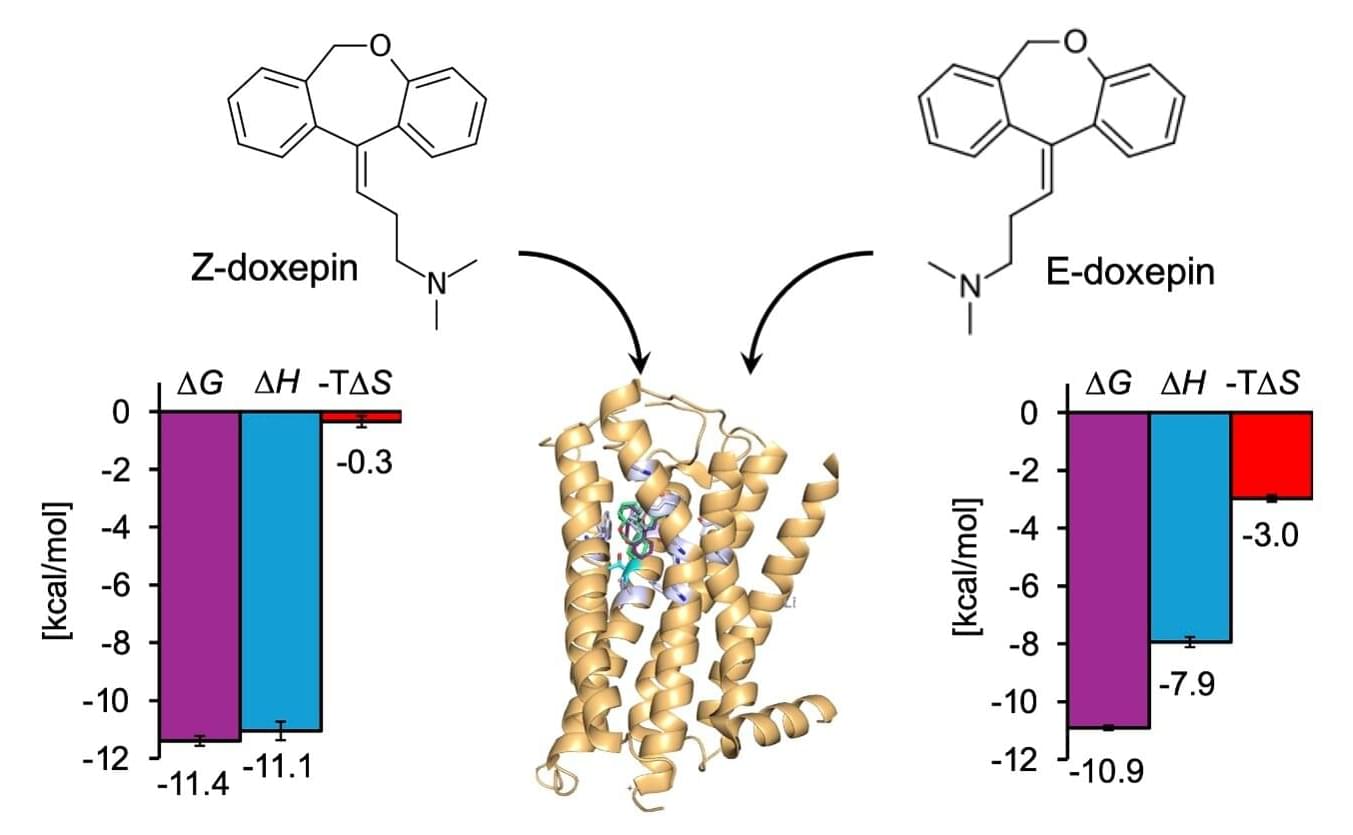
How a key receptor tells apart two nearly identical drug molecules

G-protein-coupled receptors (GPCRs) are one of the largest families of cell surface proteins in the human body that recognize hormones, neurotransmitters, and drugs. These receptors regulate a wide range of physiological processes and are the targets of more than 30% of currently marketed drugs. The histamine H1 receptor (H1R) is one such GPCR subtype that plays a key role in mediating allergic reactions, inflammation, vascular permeability, airway constriction, wakefulness, and cognitive functions in the human body. While antihistamines primarily target H1R, current drugs can exhibit limited therapeutic efficacy, prompting researchers to look at H1R ligands from new perspectives.

Recently, the importance of drug design based not only on the affinity or binding energy between a compound and its target protein, but also on its components, enthalpy, and entropy, has been recognized as crucial for rational drug design. In particular, enthalpy–entropy compensation has emerged as a key concept for understanding ligand selectivity and isomer specificity. However, direct experimental measurement of these thermodynamic parameters has been limited to cell surface proteins, such as GPCRs.

Addressing this gap, a research team led by Professor Mitsunori Shiroishi from the Department of Life System Engineering, Tokyo University of Science (TUS), Japan, systematically investigated the binding thermodynamics of the H1R. The team included Mr. Hiroto Kaneko (first-year doctoral student) and Associate Professor Tadashi Ando from TUS, among others. Their study was published online in ACS Medicinal Chemistry Letters on January 26, 2026.

Scientists Just Uncovered How Menopause Rewires the Brain

Menopause reshapes the brain in surprising ways — but it may also reveal the brain’s remarkable ability to adapt.

During menopause, many women notice episodes of “brain fog,” which can include forgetfulness, difficulty focusing, and persistent mental tiredness. These challenges are often linked to shifting hormone levels. To better understand what is happening in the brain during this life stage, researchers reviewed previously published studies examining how structural brain changes relate to cognitive, emotional, and physical health outcomes. Their findings were presented at the 2025 Annual Meeting of The Menopause Society.

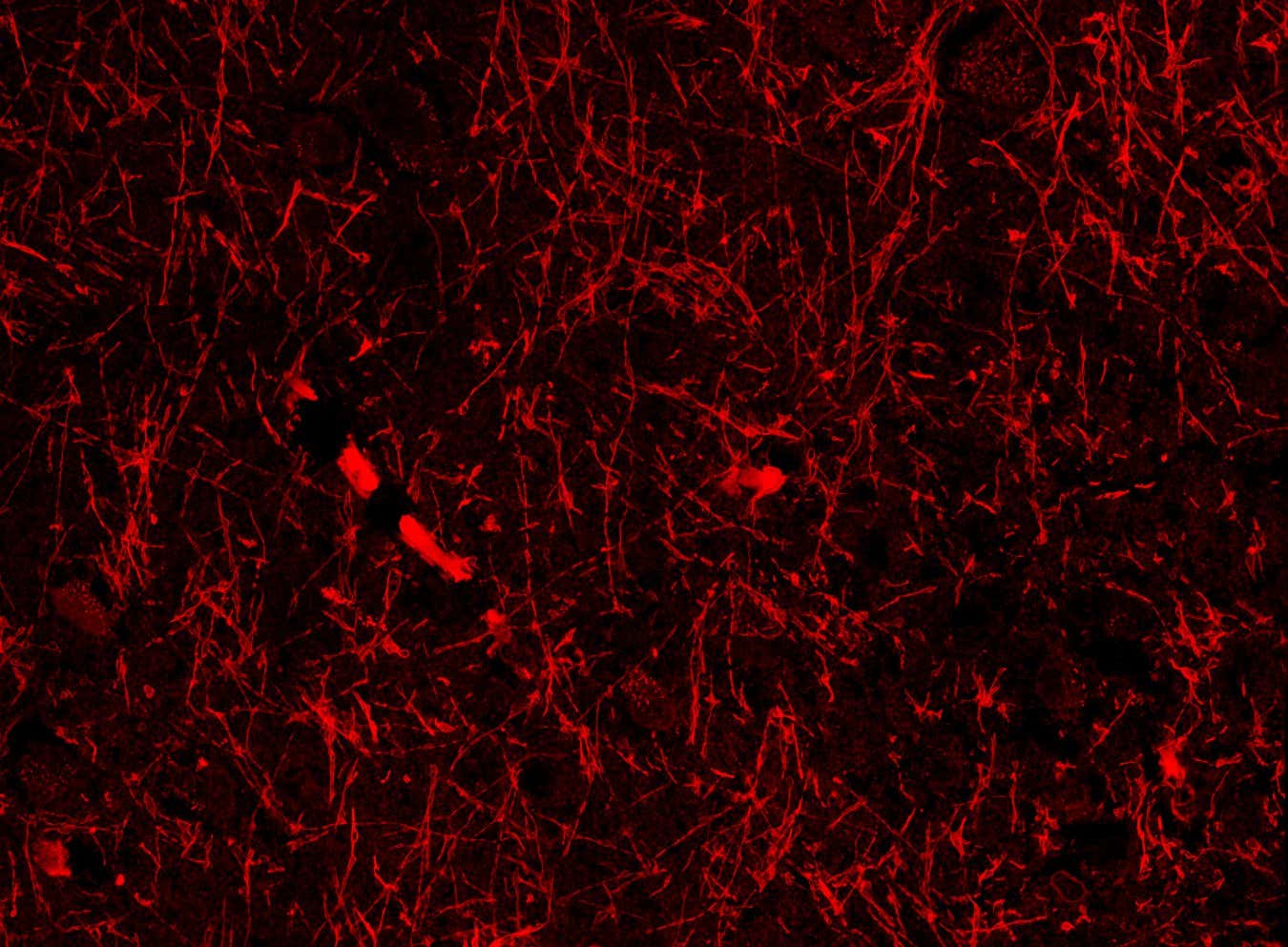
Structural Brain Changes During Menopause.

Enterovirus Encephalitis in People With Multiple Sclerosis on OcrelizumabInsights From a Multicenter Case Series

This multicenter case series highlights 5 cases of enterovirus encephalitis among people with MS receiving ocrelizumab, presenting with fever, encephalopathy, and gait changes, as well as myocarditis in 1 case.


ObjectivesAnti-CD20 therapies for multiple sclerosis (MS) are highly effective at preventing disease activity. Recognizing infectious complications of these therapies is essential. MethodsThree MS centers shared deidentified clinical data on persons with MS (pwMS) receiving ocrelizumab who developed enterovirus encephalitis.

Creating CAR-T Cells Using Current Alzheimer’s Antibodies

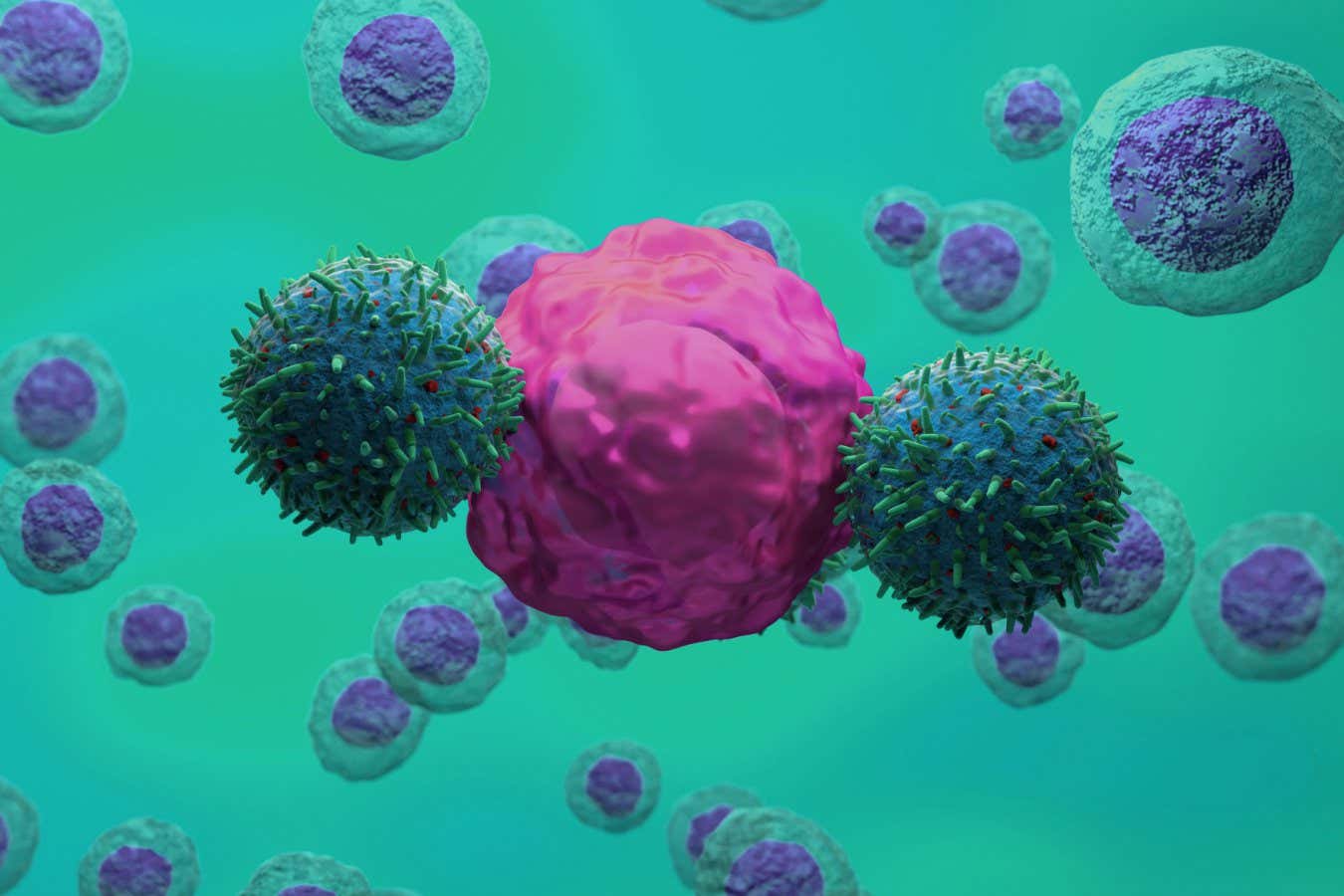
A team of researchers has biologically engineered T cells with currently available Alzheimer’s drugs in order to directly attack the characteristic amyloid plaques of Alzheimer’s disease.

Building on the current paradigm

Most Alzheimer’s treatments used in the clinic are-mabs, monoclonal antibodies that are designed to attack the amyloid beta plaques that accumulate in the brains of people with Alzheimer’s. However, while they have been found to have enough meaningful benefits in clinical trials to be approved by the FDA, they are not a cure, and some analyses question their effectiveness [1].

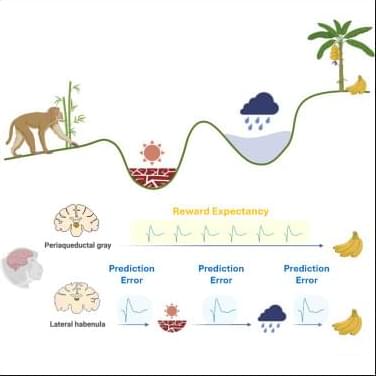
Lateral habenula and periaqueductal gray neurons signal reward prediction error and continuity of reward expectancy to drive reward-seeking behavior

Lee and Hikosaka show how animals overcome challenges and ultimately achieve goals. They find that LHb and PAG neurons encode prediction errors and the continuity of reward expectancy, with tonic PAG activity sustaining reward expectancy despite prediction errors.

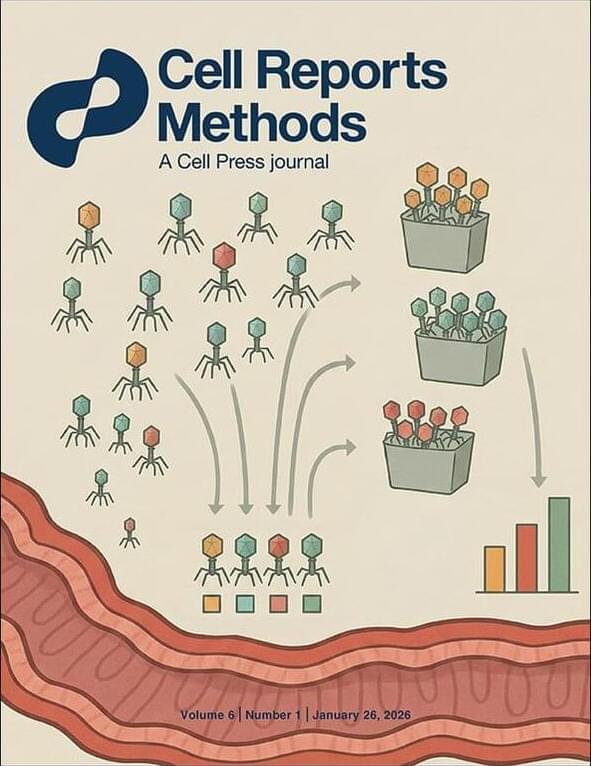
A unified framework combining linear and 3D molecular features for robust drug-protein interaction prediction

Robust drug-protein interaction prediction tool.

The researchers develop PointDPI to predict drug-protein interactions (DPIs) by integrating linear and 3D molecular structures.

PointDPI preserves intermolecular relationships and predicts key regulatory sites, outperforming several state-of-the-art methods.

Four predicted drug-protein interactions (DPIs) are experimentally validated at both mRNA and protein levels, highlighting the therapeutic potential of adenosine in inflammatory diseases, ondansetron and etodolac in neurological diseases, and neuroprotective action for dopamine. sciencenewshighlights ScienceMission https://sciencemission.com/rug-protein-interaction


Sun et al. develop PointDPI to predict drug-protein interactions (DPIs) by integrating linear and 3D molecular structures. PointDPI preserves inter-molecular relationships and predicts key regulatory sites, outperforming several state-of-the-art methods.

/* */