Rune Kvist and Rajiv Dattani, co-founders of the AI Underwriting Company, reveal their innovative strategy for unlocking enterprise AI adoption. They detail how certifying and insuring AI agents, through rigorous technical standards, periodic audits, and insurance, builds crucial \.
Category: innovation – Page 12

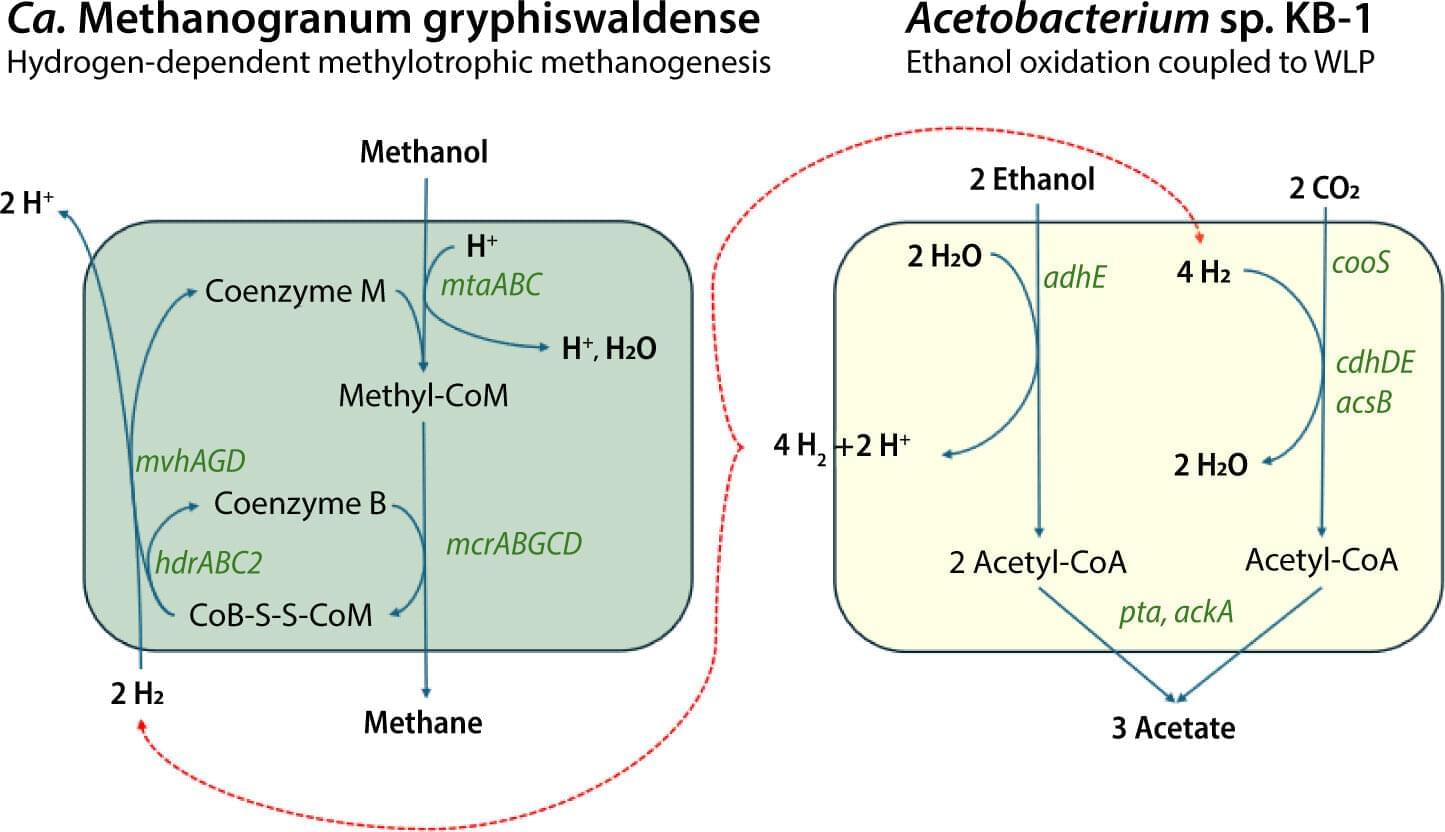
Meteorite crater hosts methane-making microbes—a clue to life on Mars?
Scientists have discovered living microbes producing methane in the fractured rocks deep inside Sweden’s Siljan impact crater, offering insights into Earth’s earliest life and the search for life beyond our planet.
This breakthrough not only sheds light on one of Earth’s most ancient metabolic processes —methanogenesis—but also strengthens the link between meteorite impact structures and microbial survival in extreme environments. The findings are published in the journal mBio.
Methanogenesis is considered one of the earliest metabolisms on Earth, and its presence in deep subsurface environments has long intrigued scientists. Now, for the first time, active microbial methane production has been confirmed in a terrestrial impact crater. Using cultures enriched from fluids 400 meters below the surface, the team demonstrated methane generation from several carbon sources, including indigenous oil.
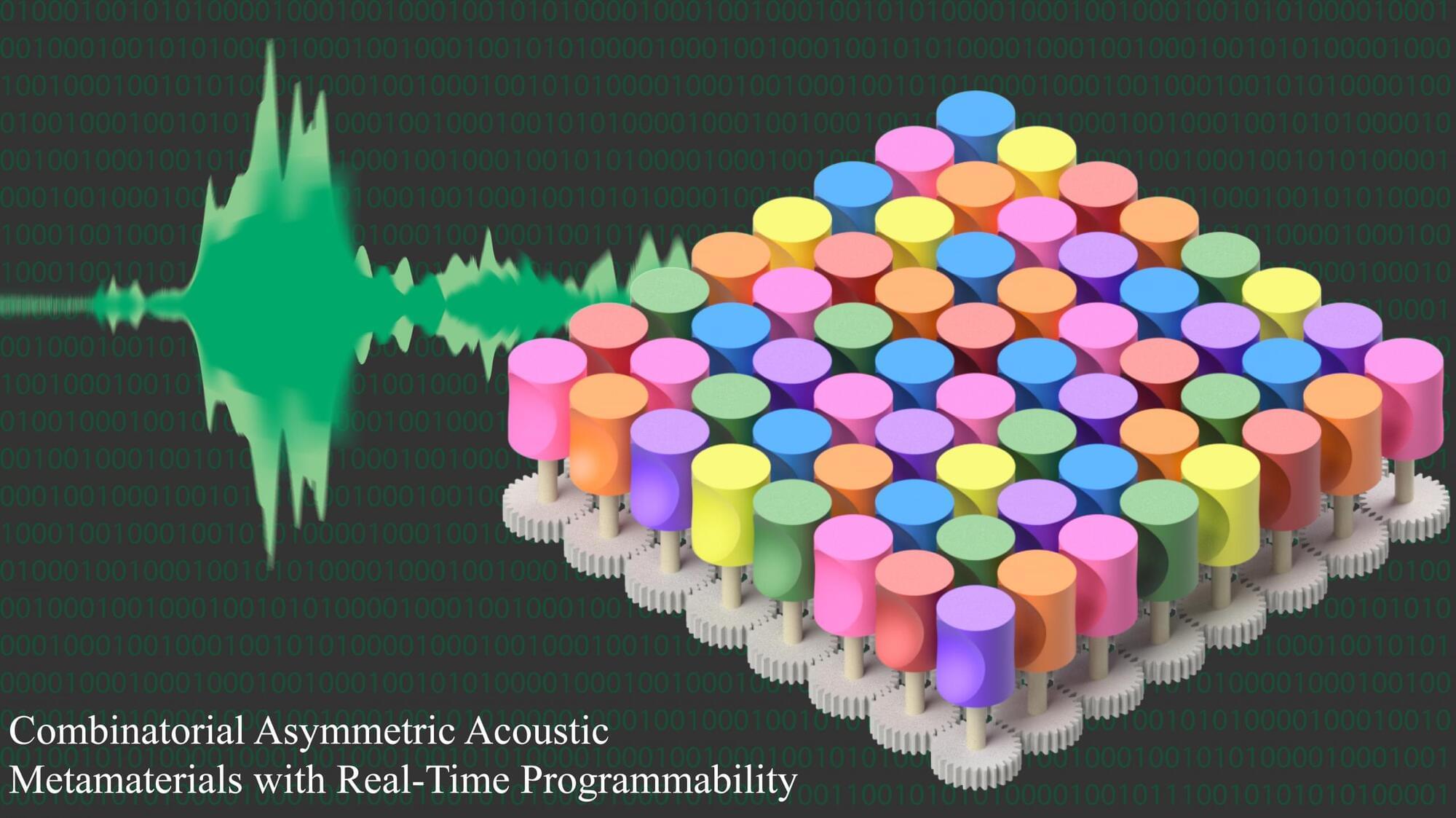

Soft robots harvest ambient heat for self-sustained motion
A warm hand is enough to drive motion in tiny Salmonella-inspired robots that harness molecular-level dynamic bonding.
A team of researchers from China and the U.S. came together to design soft robots with a coordination-motorized oscillator (CoMO) that can make self-sustained micromovements by harvesting small amounts of energy from sunlight or body heat. At the heart of this innovation is a new supramolecular polydimethylsiloxane (PDMS)-based elastic polymer dynamically crosslinked by Eu3+ at the center.
The findings are published in Angewandte Chemie.

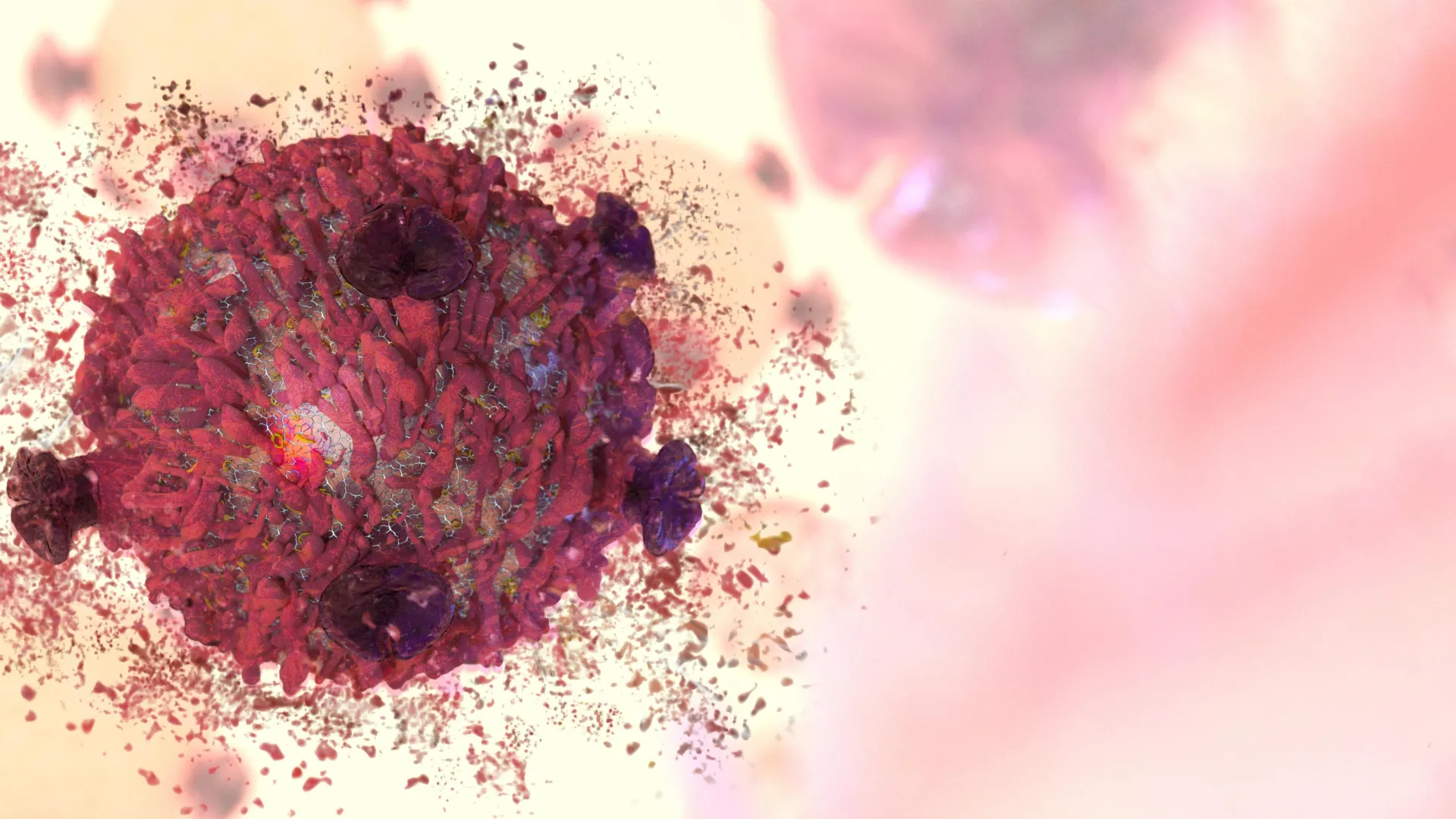
Hidden weakness makes prostate cancer self-destruct
Scientists found a hidden flaw in prostate cancer’s survival system. Researchers have discovered that prostate cancer depends on two key enzymes, PDIA1 and PDIA5, to survive and resist therapy. When blocked, these enzymes cause the androgen receptor to collapse, killing cancer cells and enhancing the effects of drugs like enzalutamide. They also disrupt the cancer’s energy system, striking it on multiple fronts. This breakthrough could open a new path to overcoming drug $resistance in advanced prostate cancer.
An international team of researchers has identified a new weakness in prostate cancer cells that could lead to more effective treatments for one of the most common cancers among men.
The study, published in the Proceedings of the National Academy of Sciences (PNAS), was led by scientists from Flinders University in Australia and South China University of Technology. Their findings highlight two enzymes, PDIA1 and PDIA5, that play a key role in helping prostate cancer cells grow, survive, and resist existing treatments.


90% of Gamers Have Played a Remake or Remaster, Finds New Report
According to MTM, many respondents said that they find remakes and remasters “help them reconnect with positive, comforting feelings and memories that they had when they first played the game.”
However, the firm noted that others raised concerns about studios “taking an easy, repetitive route to market” and that these remakes come at the cost of “sacrificing innovative, new experiences that could redefine the industry.”
“Our report shows that there is a strong appeal for remakes and remasters, but it’s a tight balancing act for studios to get right,” said Martin Bradley, head of gaming at MTM.” Many of these games are far out-selling their original release.
How ancient philosophers would shape AI | Brendan McCord
We made this video in partnership with the Cosmos Institute, a network of thinkers and builders advancing human flourishing in the AI era.
Read the Cosmos Institute Substack ► https://bit.ly/3XK5T7k.
Follow Brendan McCord on X ► https://bit.ly/3Y9pFLb.
Artificial intelligence is transforming our world, prompting us to revisit fundamental philosophical questions about human existence and purpose. In this interview, Brendan McCord, founder of the Cosmos Institute, examines how philosophical insights from thinkers like Aristotle, John Stuart Mill, and Alexis de Tocqueville can inform our approach to AI, ensuring it enhances rather than undermines human flourishing.
McCord outlines three crucial steps to align AI with the principles of autonomy, reason, and decentralization. By drawing on ancient wisdom, we can navigate the complexities of modern technology and create a future where innovation and human values coexist.
Reflecting on the transformative ideas from Copernicus to Turing, this interview offers a roadmap for finding our place in the cosmos amidst the AI revolution. Explore how we can build a society that prioritizes human potential in the age of technology.