Toggle light / dark theme

Astronomers discover Andromeda XXXVI, an ultra-faint dwarf satellite galaxy

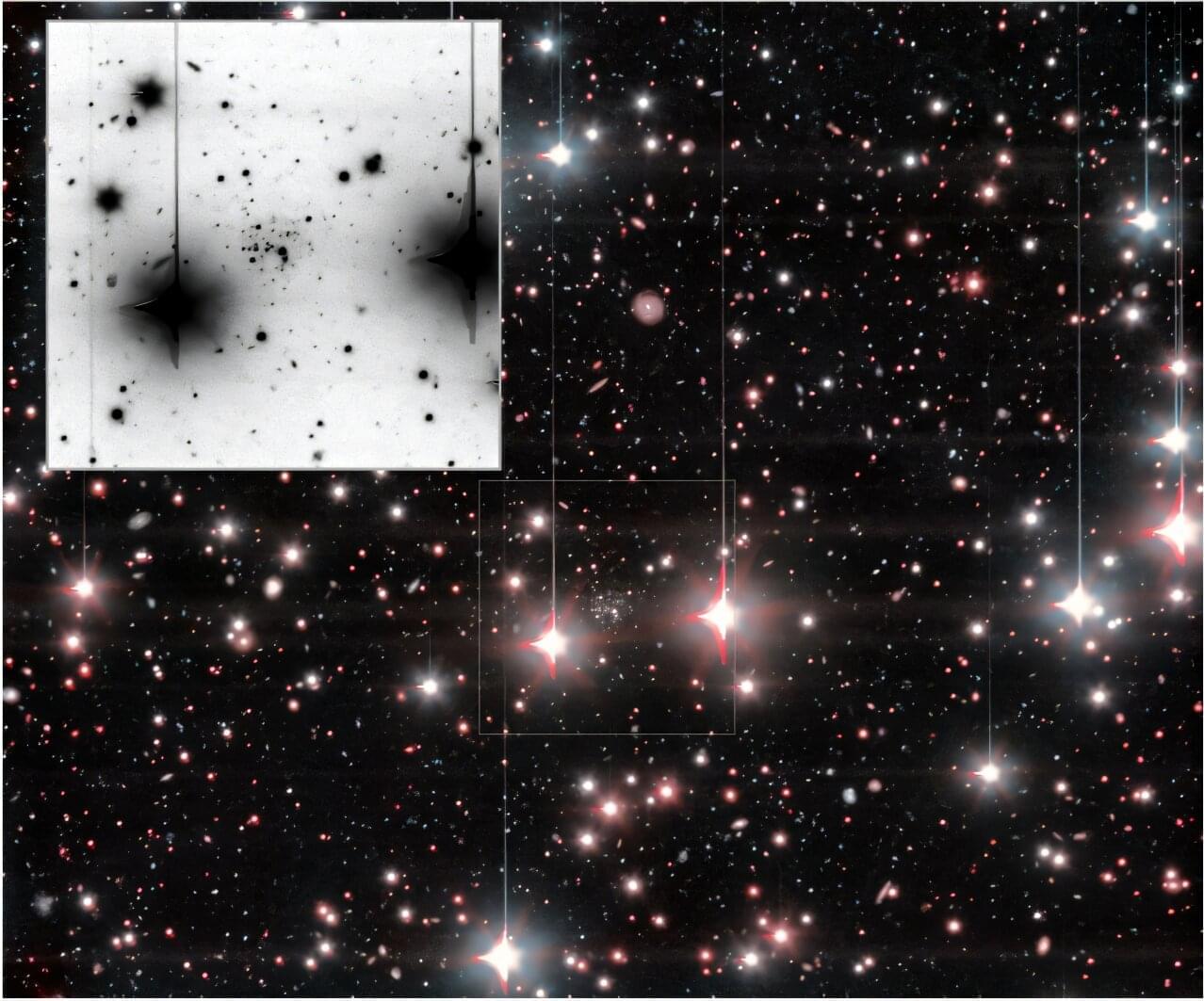
By analyzing the data from the Pan-Andromeda Archaeological Survey (PandAS), European astronomers have discovered a new satellite of the Andromeda galaxy. The newfound object, which received the designation Andromeda XXXVI, appears to be an ultra-faint dwarf galaxy. The finding is reported in a paper published March 30 on the arXiv preprint server.

The so-called ultra-faint dwarf galaxies (UFDs) are the least luminous, most dark matter-dominated, and least chemically evolved galaxies known. Therefore, they are perceived by astronomers as the best candidate fossils from the universe at its early stages.

Now, a team of astronomers, led by Joanna D. Sakowska of the Institute of Astrophysics of Andalusia in Spain, reports the finding of a new UFD. Andromeda XXXVI was first spotted and classified as a candidate UFD by amateur astronomer Giuseppe Donatiello during a systematic, visual inspection search of public images from the full PAndAS footprint. Sakowska and her colleagues recently performed follow-up deep imaging of Andromeda XXXVI with the Roque de los Muchachos Observatory, which confirmed the UFD nature of this galaxy.
Astronomers thought the early universe was full of hydrogen: Now they’ve found it

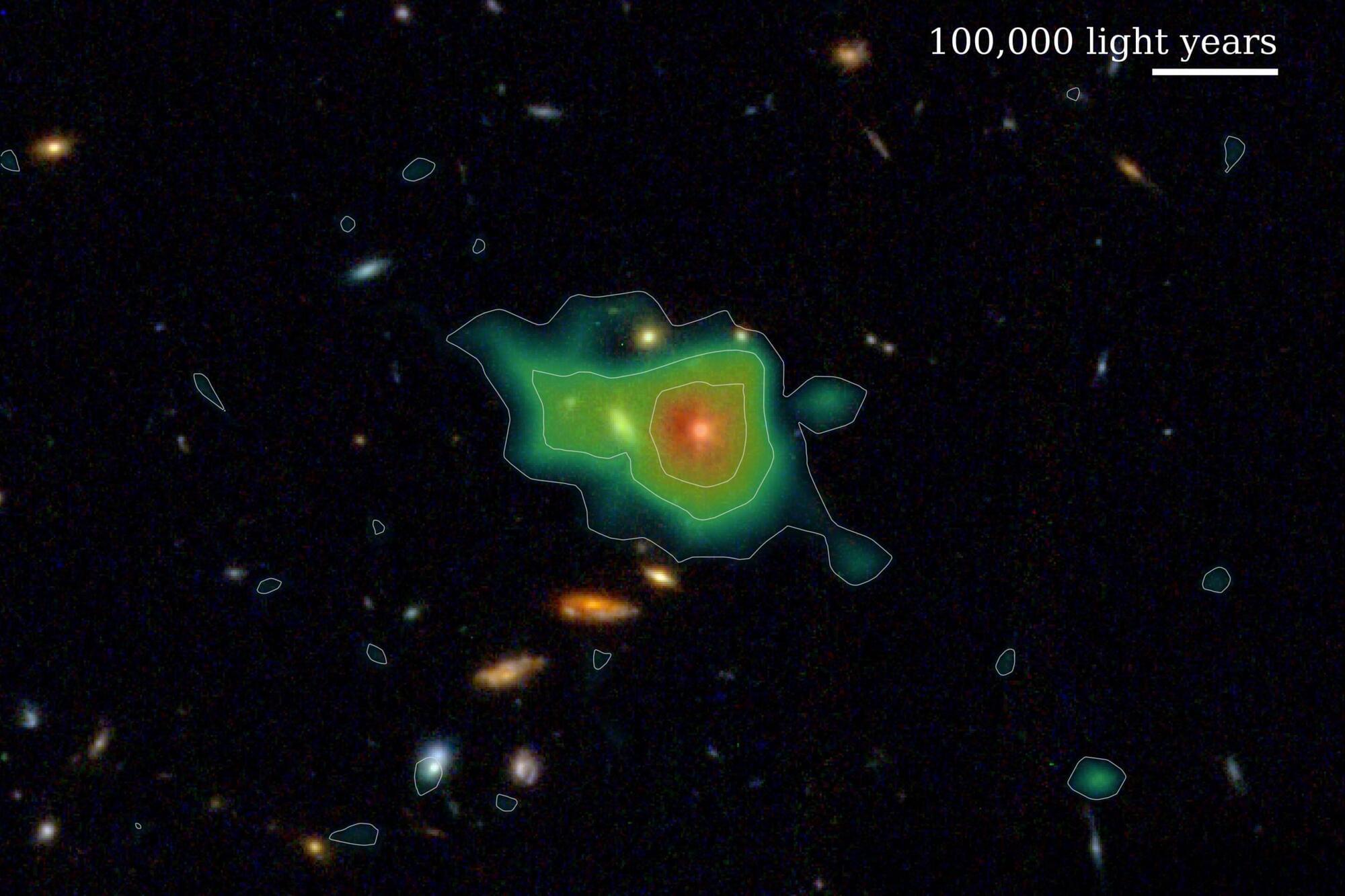
The Eberly Telescope Dark Energy Experiment (HETDEX) has discovered tens of thousands of gigantic hydrogen gas halos, called “Lyman-alpha nebulae,” surrounding galaxies 10 billion to 12 billion years ago. Known as Cosmic Noon, this is an epoch in the early universe when galaxies were growing their fastest. To spur this growth, they would have needed access to vast reservoirs of hydrogen gas, a key building block for stars. However, until recently, astronomers had only found a handful of these essential structures.

A new study published in The Astrophysical Journal has now increased the known number of hydrogen gas halos by a factor of 10: from roughly 3,000 to over 33,000. This confirms suspicions that they are not rare curiosities. The study also increases the range of known sizes, providing a more representative sample for astronomers to study as they continue to tease out the origin and evolution of the first galaxies.

“We’ve been analyzing the same handful of objects for the past 20 or so years,” said Erin Mentuch Cooper, HETDEX data manager and lead author on the study. “HETDEX is letting us find many more of these halos and measure their shapes and sizes. It has really allowed us to create an amazing statistical catalog.”

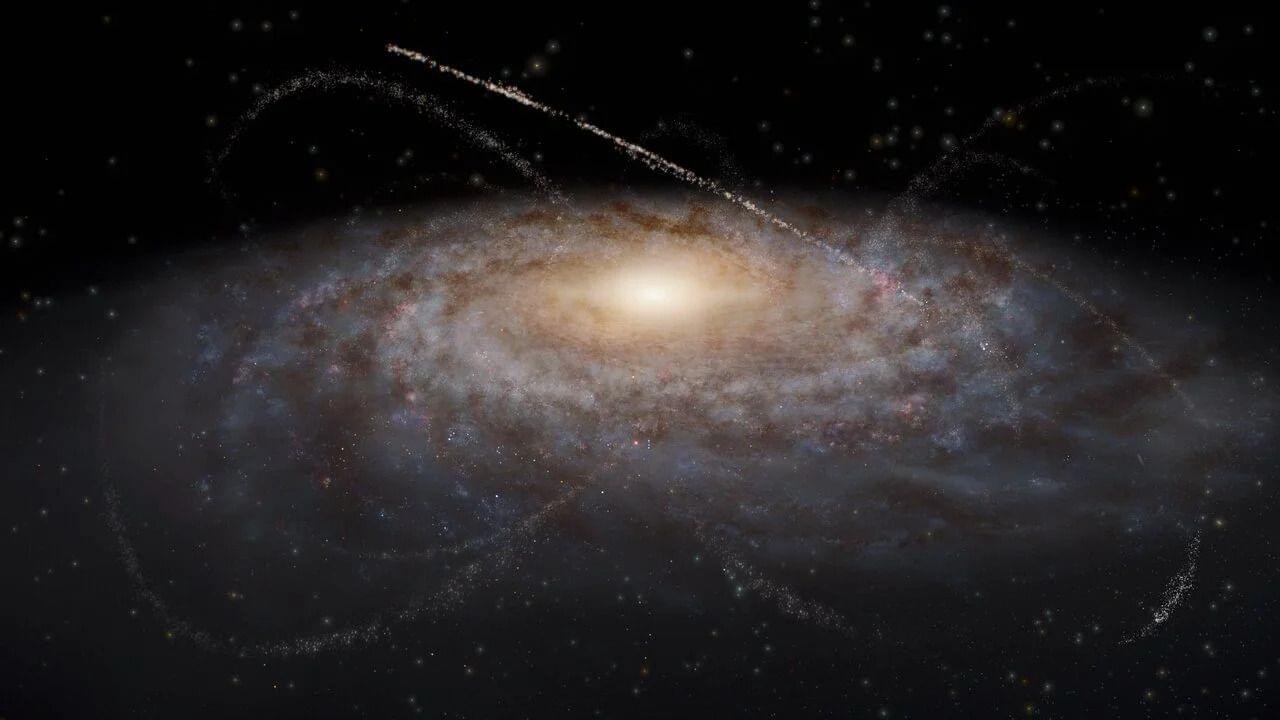
Dozens of hidden star streams found in the outskirts of our Milky Way galaxy

To find them, Chen developed a computer algorithm called StarStream, which searches for streams using a physics-based model rather than relying on visual patterns alone, according to the study. The team then applied the method to Gaia data, which from 2014 to 2025 mapped the positions and motions of billions of stars in the Milky Way.

“It turns out that it’s a lot easier to find things when you have a theoretical expectation of what you’re looking for when you have a simple phenomenological picture,” Gnedin said in the statement.

The results also revealed that many streams do not match the classic expectation of thin, well-aligned trails. Instead, the study reports that some of the newfound streams are shorter, wider or even misaligned with their parent clusters’ orbits — suggesting earlier searches may have missed them by focusing only on the most obvious structures.

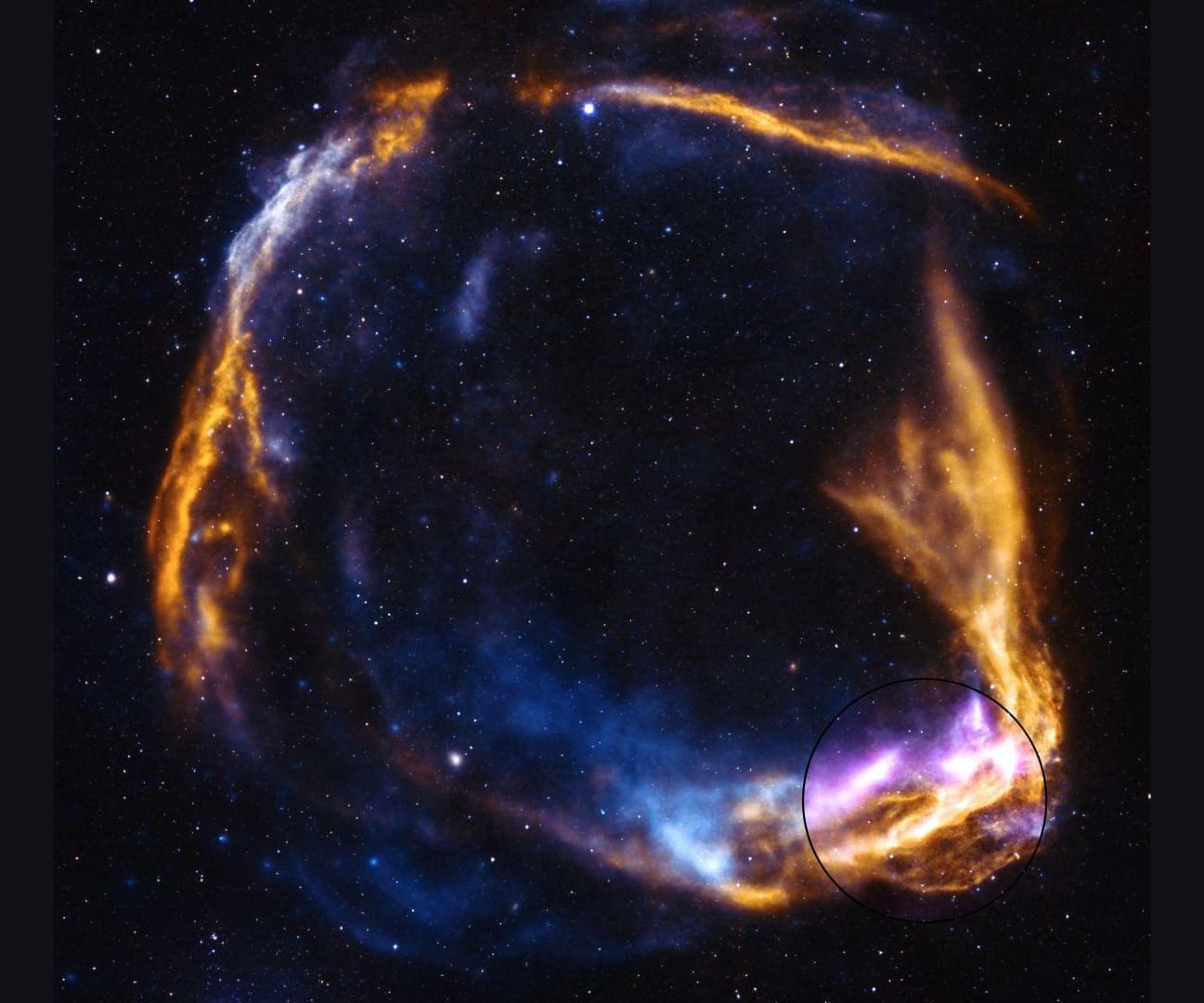
NASA telescope uncovers new mystery in supernova first spotted by Chinese astronomers 2,000 years ago —‬ Space photo of the week

NASA’s Imaging X-ray Polarimetry Explorer reveals the expansion and shock patterns within RCW 86, a supernova observed by early astronomers in A.D. 185.

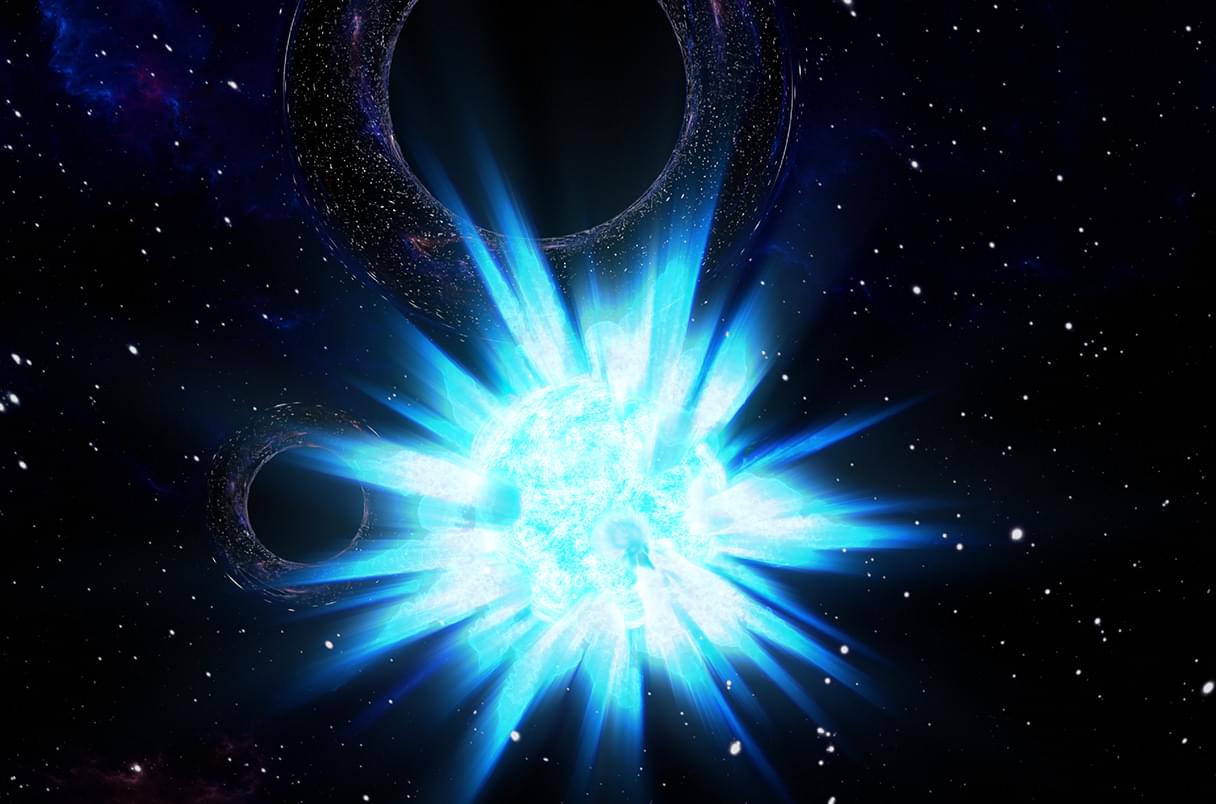
Some black holes are ‘forbidden,’ ripples in spacetime reveal

How do you prove that in the unimaginably vast universe, certain objects don’t exist?

That’s a question that has plagued scientists studying gravitational waves—ripples in spacetime set off when two massive objects such as black holes swirl together and merge.

For decades, theorists have thought that, ironically, stars in a certain very heavy mass range simply cannot collapse to form black holes.

But gravitational wave astronomers had spotted no evidence of such a “mass gap”—until now.


Analysis of gravitational waves supports theory that some stars explode without leaving behind black holes.

Underground lab clears crucial hurdle for dark matter hunt

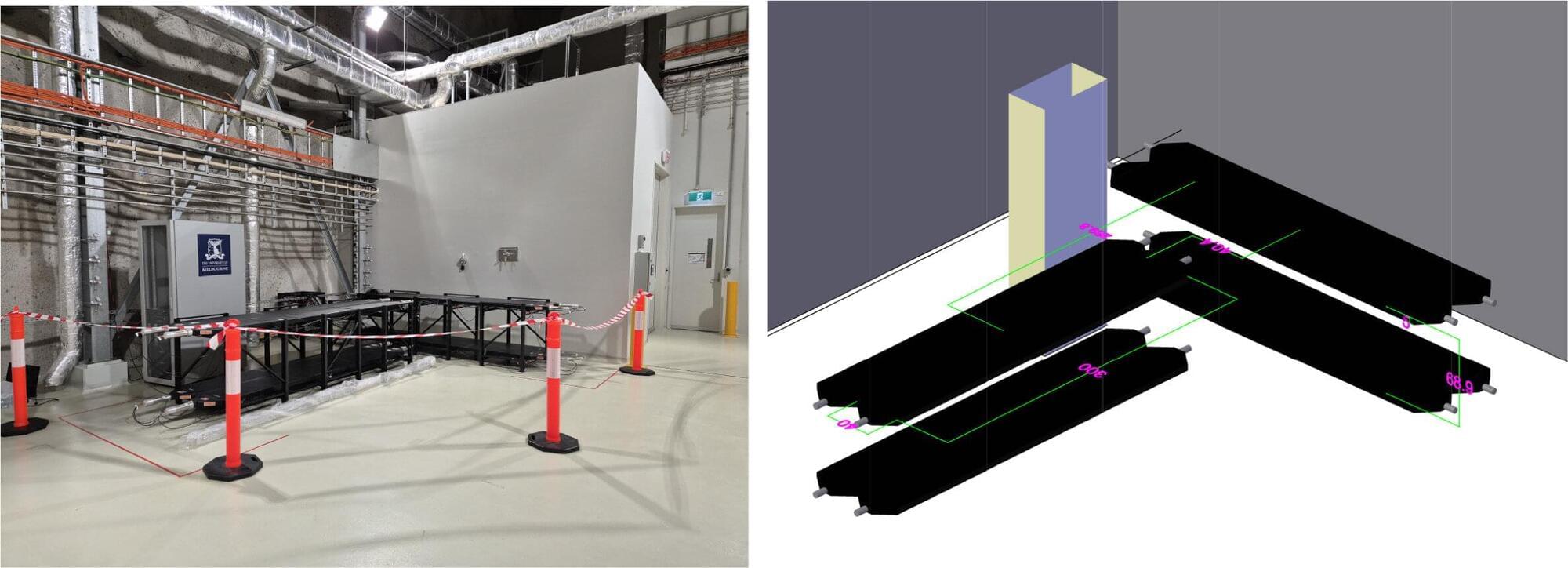
Australia’s bid to detect elusive dark matter has taken a major step forward, with new research confirming that cosmic radiation levels deep inside the Stawell Underground Physics Laboratory (SUPL) are low enough to support the world-class experiment that will commence later this year.

ARC Center of Excellence for Dark Matter Particle Physics researchers recorded muon —or cosmic radiation—levels inside and outside the laboratory for more than a year. They detected 30,000 muons inside the underground laboratory, while 8.4 billion muons would be expected to be detected on the surface of Earth.

The SABRE Collaboration paper, published in Astroparticle Physics, is the first to use data collected in SUPL, marking a major achievement for Australian and international scientists involved in the project.

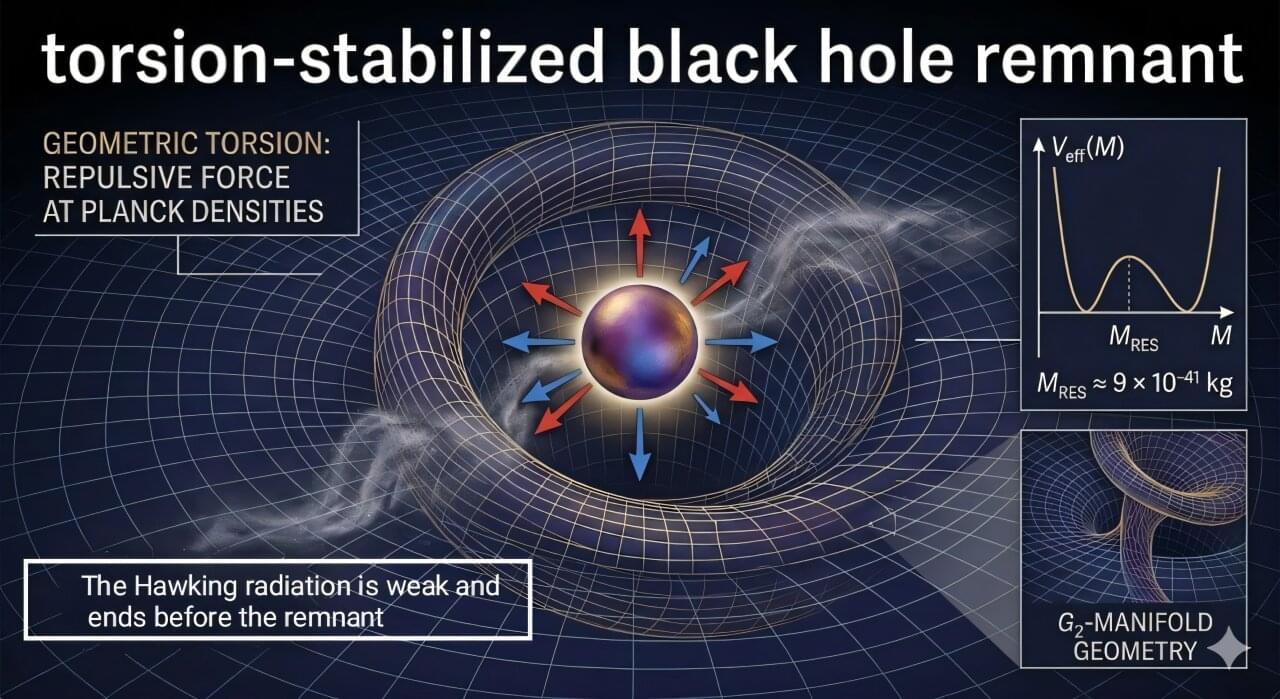
The secrets of black holes and the Higgs mass could be hidden in a 7-dimensional geometry

One of the greatest mysteries of modern physics, the “black hole information paradox,” might have finally found an elegant solution, and the answer could also reveal the origins of the mass of fundamental particles.

In the 1970s, Stephen Hawking demonstrated, through semi-classical calculations, that black holes are not truly black, but emit a weak radiation that causes them to gradually shrink until they disappear.

This process, however, brings with it a massive problem: it seems to cause an irreversible loss of information, violating the unitarity principle of quantum mechanics. In other words, the laws of quantum physics state that information cannot be destroyed, but the evaporation of a black hole suggests otherwise.

Extremely rare second-generation star discovered inside ancient relic dwarf galaxy

Discovered in the Pictor II dwarf galaxy, star PicII-503 has an extreme deficiency in iron—less than 1/40,000th of the sun. This signature makes it the clearest example of a star within a primordial system that preserves the chemical enrichment of the universe’s first stars. PicII-503 also has an extreme overabundance of carbon, providing the missing link to connect carbon-enhanced stars observed in the Milky Way halo to an origin in ancient dwarf galaxies.

Astronomers have discovered one of the most chemically primitive stars ever identified—an ancient stellar relic that preserves the chemical imprint of the very first stars in the universe. This star, named PicII-503, resides in the tiny, ultra-faint dwarf galaxy Pictor II. The discovery was enabled by the U.S. Department of Energy-fabricated Dark Energy Camera (DECam), mounted on the U.S. National Science Foundation Víctor M. Blanco 4-meter Telescope, at NSF Cerro Tololo Inter-American Observatory (CTIO) in Chile, a Program of NSF NOIRLab.

Pictor II is located in the constellation Pictor. It contains several thousand stars and is more than ten billion years old. PicII-503 lies on the outskirts of the galaxy, and it contains less iron than any other star ever measured outside of the Milky Way, while also having an extreme overabundance of carbon. These signatures unmistakably match those of carbon-enhanced stars found in the outer reaches of the Milky Way, whose origins have, until now, been a mystery.

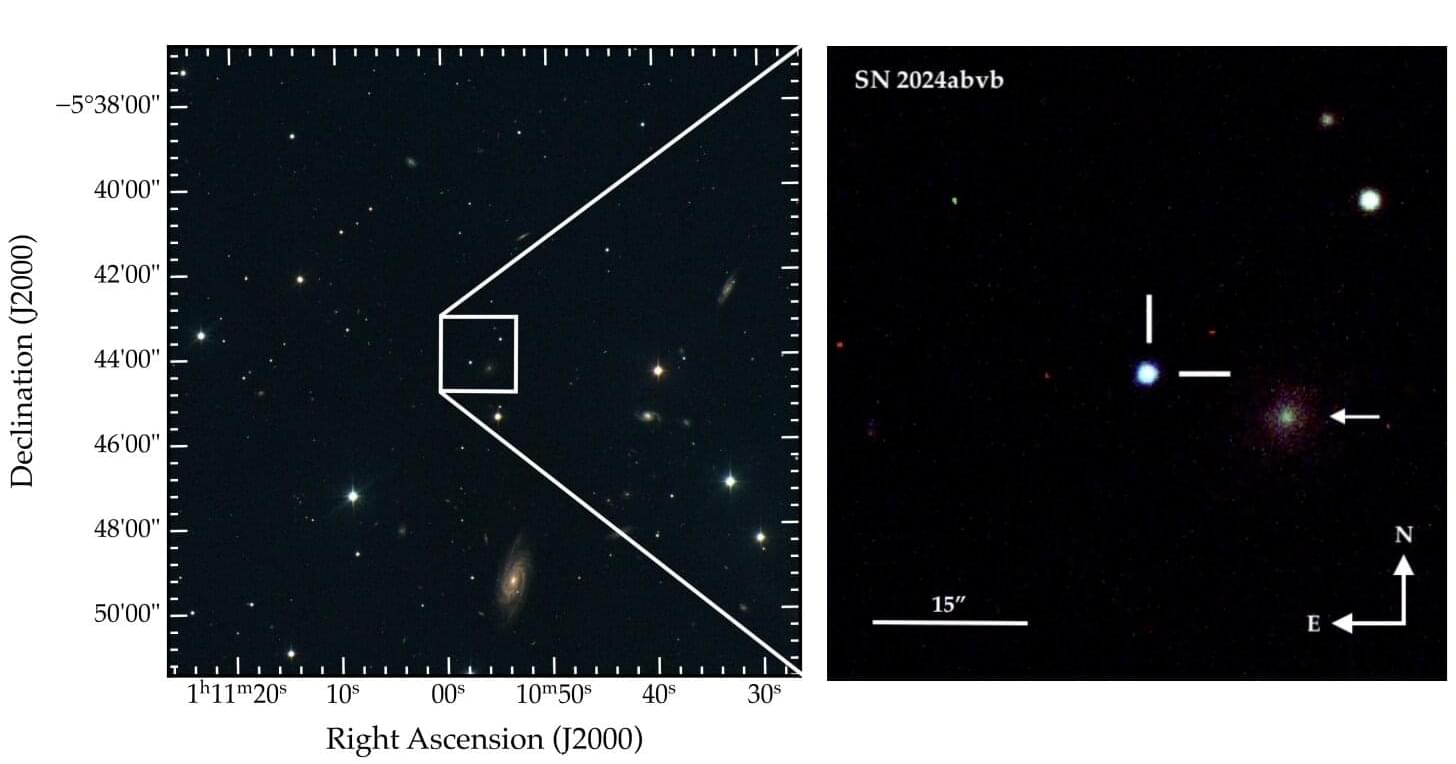
Rare Type Icn supernova SN 2024abvb is among the most luminous known

An international team of astronomers has carried out photometric and spectroscopic observations of SN 2024abvb—a recently discovered supernova of a rare Type Icn. The new observational campaign yields important information regarding the properties and nature of this supernova. The study was published February 18 on the arXiv pre-print server.

Supernovae (SNe) are powerful and luminous stellar explosions. They are important for the scientific community as they offer essential clues into the evolution of stars and galaxies. In general, SNe are divided into two groups based on their atomic spectra: Type I and Type II. Type I SNe lack hydrogen in their spectra, while those of Type II showcase spectral lines of hydrogen.

Type Icn SNe are an extreme subtype of interacting stripped-envelope supernovae (SESN). They have strong, narrow oxygen and carbon lines but weak or absent hydrogen and helium lines, presenting additional complications to the stripping mechanism. They have narrow emission features indicative of circumstellar interaction.

/* */