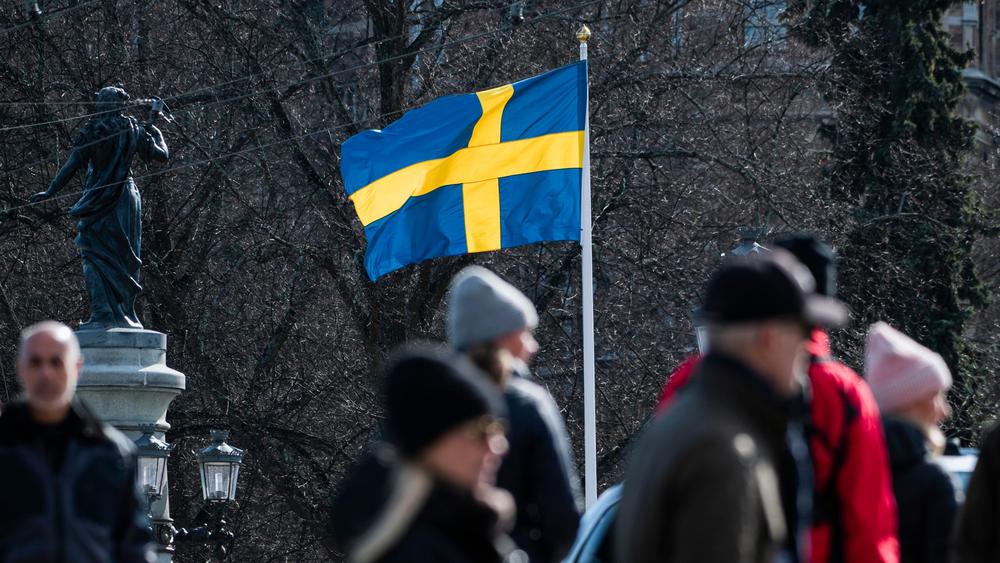
I felt uneasy about the Swedish coronavirus plan the moment I heard about it. It seemed like an extreme gamble, in defiance of all known science and health recommendations. We have Red States here in America that have taken this same approach. Here’s the latest on Sweden: 🇸🇪 —“In an opinion piece published today in Dagens Nyheter, the group of researchers from a range of top Swedish universities and research institutes make harsh criticism of the Swedish Public Health Agency and their present coronavirus strategy. They say that elected politicians must now intervene with ” swift and radical measures.”
“According to Aftonbladet, Jan Lötvall, a professor at the University of Gothenburg, said that Swedish people have not understood the seriousness of the situation because they have received unclear messaging from health authorities and elected officials.”
Sweden’s relatively relaxed approach to controlling the spread of the coronavirus has come under fire in international media and from many locals in the capital Stockholm, where more than half the country’s deaths have been recorded. Now, 22 researchers have publicly criticized the strategy and called on politicians to make changes.
Harsh criticism from research scientists
In an opinion piece published today in Dagens Nyheter, the group of researchers from a range of top Swedish universities and research institutes make harsh criticism of the Swedish Public Health Agency and their present coronavirus strategy. They say that elected politicians must now intervene with ” swift and radical measures.”