Scientists have uncovered a crucial change in cancer cells that allows them to spread around the body – by switching from sugar to fatty acids to fuel their growth.
Changing their ‘diet’ in this way allows tumour cells to set up shop at new sites where resources such as glucose – their preferred food source – are limited.
Researchers at The Institute of Cancer Research, London, found that a protein called AKR1B10 helps cells adapt the ways in which they get their energy.
There is a common myth that bone marrow stem cells do not work in the elderly.
However, we are seeing elderly patients respond very well to bone marrow stem cells.
In this blog, we share the experience of 80-year-old Georgia whose long-standing back pain resolved after bone marrow stem cell therapy. We will also explain why they are effective even in older patients.
The common myth is that as we age, the number of bone marrow stem cells dramatically decline in the bone marrow. This is true for the bone marrow stem cells in the long bones. Fortunately, the stem cell numbers are much better preserved in the iliac crest bone [bone in the back of the hip] from where we obtain the cells. This is the main reason why we are seeing good results with bone marrow stem cells even in our elderly patients. Georgia is not an exception.
In fact, Georgia’s bone marrow cell numbers were very high. Her TNC [Total Nucleated Cell Count] was 1.87 billion. TNC is a surrogate marker for stem cell numbers. In one intradiscal stem cell study, the average TNC was 847 million. Georgia’s TNC was more than double of what was reported in that study. Age did not affect Georgia’s bone marrow stem cell count.
The researchers wanted to know how tardigrades protected themselves against such harsh conditions. So Kunieda and his colleagues began by sequencing the genome of Ramazzottius varieornatus, a species that is particularly stress tolerant. It’s easier to study processes within the tardigrade’s cells when the animal’s genome is inserted into mammalian cells, says Kunieda. So researchers manipulated cultures of human cells to produce pieces of the water bear’s inner machinery to determine which parts were actually giving the animals their resistance.
Eventually, Kunieda and his colleagues discovered that a protein known as Dsup prevented the animal’s DNA from breaking under the stress of radiation and desiccation. And they also found that the tardigrade-tinged human cells were able to suppress X-ray induced damage by about 40%.
“Protection and repair of DNA is a fundamental component of all cells and a central aspect in many human diseases, including cancer and ageing,” says Ingemar Jönsson, an evolutionary ecologist who studies tardigrades at Kristianstad University in Sweden.
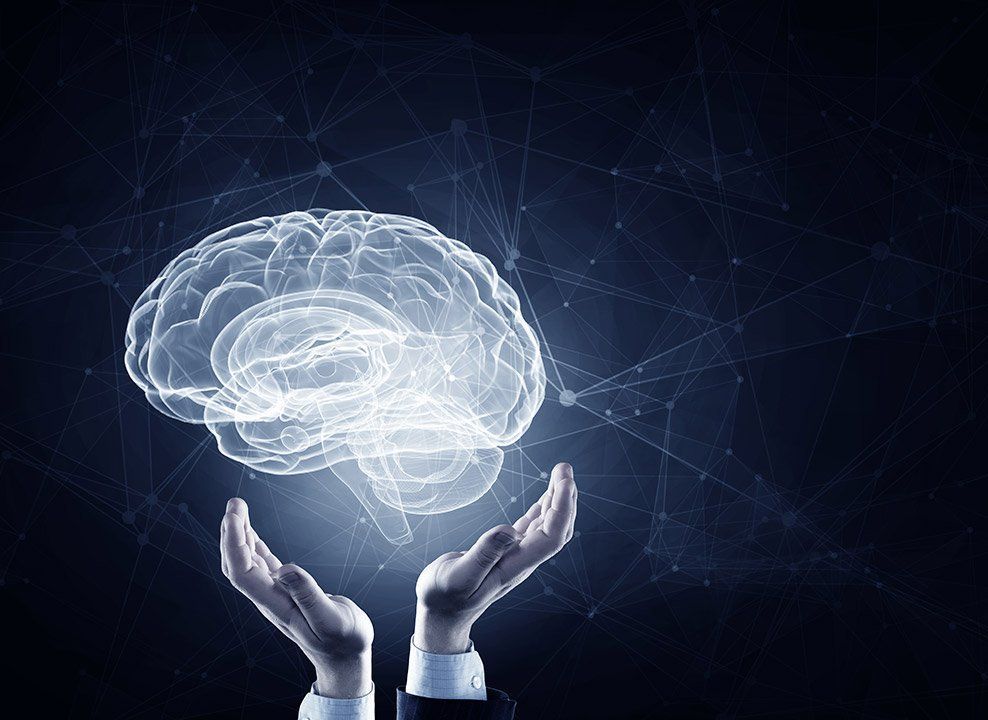
Glioblastoma is one of the most common and aggressive forms of brain cancer, and it is particularly difficult to treat. Now, researchers from the University of Pennsylvania School of Medicine have come up with a new approach to treatment for the disease, by growing organoids based on a patient’s own tumor to find the most effective treatments. Digital Trends spoke to senior author Dr. Donald O’Rourke to learn more.
The technique uses mini-brains — pea-sized organoids grown from stem cells which recreate features of full-scale brains. The mini-brains are similar enough to real brains that they can be used for testing out medical treatments to see how a full-sized brain would respond.
The breakthrough in this research is regarding treatment individualization. One of the challenges of treating a complex disease like brain cancer is that different people respond in different ways to the various treatment options available. After surgery has been performed to remove a tumor, doctors typically begin further treatment using radiation or chemotherapy around one month later. That means there isn’t always time to use perform genetic analysis to see which treatment might be best suited for a particular patient — the doctors need to know what will work and start further treatment as soon as possible.
A new generation of “smart” implantable devices could replace traditional medication to treat a range of chronic conditions, including cardiac disease.
The results from the treatment have been nothing less than miraculous. The beta-thalassemia patient, a European native who needed 16 blood transfusions a year but hasn’t needed even one since the treatment and the sickle-cell patient doesn’t suffer from the pain attacks associated with the condition anymore.
Scientists have developed a system of lasers that can probe inside the human body, much like an ultrasound, but from a distance.
The system can accurately image what’s going on inside a person’s body up to a depth of about six centimeters, according to an MIT press release. While that may not seem like much, it’s still an important first step in removing physical contact from ultrasound scans, as that can sometimes introduce variability in a doctor’s readings.
The system, described in research published in the journal Light: Science & Applications on Friday, uses two lasers: one to generate sound waves that bounce around inside the patient’s body, and the second to detect them as they reflect back.