Toggle light / dark theme

The macroecology of immunity: predominant influence of climate on invertebrate immune response

https://vist.ly/4u8bp Macroecology Odonates Parasites

The immune system is the primary defense against parasites. With the ever-increasing rate of disease, epidemiologic models considering geographic variation in immune responses could prove useful. Despite increasing interest in the macroecology of parasitism and infectious diseases, we know little about the macroecology of immune responses (i.e. macroimmunology). Host characteristics, parasite exposure, and environmental factors can all affect immunity, but how these factors shape spatial variation in the strength of immune responses remains underexplored. We captured odonates (dragonflies and damselflies) and their conspicuous ectoparasitic mites from 42 sites spread across a geographic area spanning the temperate and boreal forest biomes in eastern Canada. We then conducted immune response bioassays on 1237 individuals from 63 odonate species. We used generalized additive models and structural equation models to relate immune responses to host body size, parasite load, pH, temperature and precipitation while accounting for spatial autocorrelation in immune ability and evolutionary relationships among host species. We found significant differences in the strength of immune response among host individuals, and this variation was best explained by climatic conditions, specifically strongly decreasing with precipitation. While host species significantly differed in immune response strength, we found no effect of host body size, evolutionary relationships among hosts, or parasitism on immune response. Our study investigating the drivers of immune response across dozens of species spread across two biomes is the most comprehensive to date. Climatic conditions have a strong influence on host immune response, regardless of host characteristics or parasitism rates. Strong immune responses were associated with low levels of annual precipitation, which could relate to the role of cuticular melanin content in desiccation resistance, and the melanin-based encapsulation response being a byproduct of this adaptation. A spatially explicit understanding of the biological processes affecting immunity could improve epidemiological models of disease risk that inform disease management globally.


Predicting parasite and pathogen spread is increasingly relevant and challenging in a highly connected world (Tsiotas and Tselios 2022), and an animal’s immune system is the first line of defense against attack by parasites and pathogens. Yet, the factors driving variation in immunity among individuals, populations, and species are poorly studied and rarely factored into epidemiologic models (Becker et al. 2019). Characteristics of the host, exposure to parasites or pathogens, and the abiotic environment can interact in complex ways to affect immunity (Sweeny and Albery 2022), but their interactions are challenging to elucidate (Johnson et al. 2019).

As the immune system is the primary line of defense against infection by parasites, pathogens, and disease, it is assumed to be costly in terms of fitness and should therefore lead to tradeoffs with life-history traits (e.g. fecundity, fertility, Albery et al. 2021). Although a plethora of studies have provided key evidence of immune variation due to such tradeoffs, most studies emphasize the role of biotic factors such as predation (Duong and McCauley 2016) and resource availability (Hasik et al. 2025a) without considering that of abiotic factors (Lazzaro and Little 2008). A relationship between immune response and temperature is expected in both invertebrate ectotherms (Mastore et al. 2019) and vertebrate endotherms (Butler et al. 2013), due to the thermal sensitivity of the enzymes involved in immune responses (Catalán et al. 2012). When one scales this temperature-dependent immunity to explore the effect of climate (specifically, temperature and humidity), then climate is expected to be a clear driver of geographic variation in immunity (Li et al. 2024).

Parasites are a leading cause of disease and death around the world and thus are drivers of life-history evolution via their effects on host fitness (Hasik and Siepielski 2022a) that have the potential to affect host macroevolutionary dynamics (Hasik et al. 2025b). The majority of organisms on earth are infected by at least one parasite (Price 1980), and yet, we have a very limited understanding of the multifarious factors governing the intensity of infection and, therefore, the health cost. Immune responses are necessary to defend organisms from the deleterious and fitness-reducing effects of parasites (and disease in general, Hasik and Siepielski 2022a). Although there is increasing interest in the macroecology of parasites and infectious diseases (Stephens et al. 2016), we know very little about macroimmunology (Becker et al. 2020). Both among-individual and interspecific variation in immune response surely plays a central role, but the factors regulating immunity in natural settings are poorly understood, which can interfere with the accuracy of predictive epidemiologic models. Environmental factors and local parasite pressure can independently drive differences in immunity across space, but they could also act in concert (Becker et al. 2020). Parasitism varies among host populations distributed across large-scale environmental gradients (LoScerbo et al. 2020, Hasik and Siepielski 2022b) and at fine spatial scales, within populations (Albery et al. 2019, Hasik et al. 2025a). To date, however, the focus on a limited set of taxa, specifically vertebrates (Becker et al. 2020), limits our ability to identify generalities regarding the relative influence of environmental conditions and parasitism on immune defenses that would apply across host–parasite systems (Rolff and Siva-Jothy 2003).
Exercise Protects Against Alzheimer’s, And Scientists May Finally Know Why

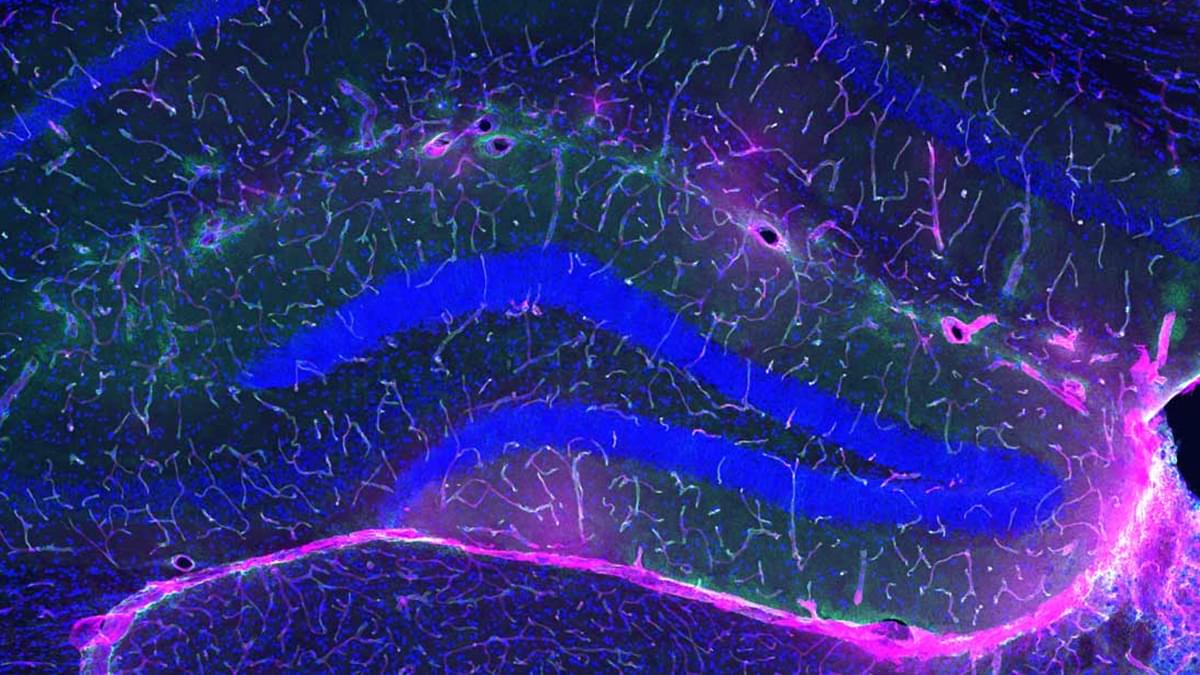
Among its numerous health benefits, physical activity reduces the risk of developing Alzheimer’s disease. A new study on mice now dives into the specific mechanisms and proteins that allow exercise to protect our brains.

Scientists had previously determined that physical activity increases a protein called glycosylphosphatidylinositol-specific phospholipase D1 in the blood of mice, and that this protein is associated with good brain health.

That protein – more succinctly referred to as GPLD1 – strengthens the barrier that guards the brain against all sorts of unwelcome visitors within our blood, protecting against inflammation and subsequent cognitive decline.

Ultrafast light pulses make molecules rotate on quantum materials

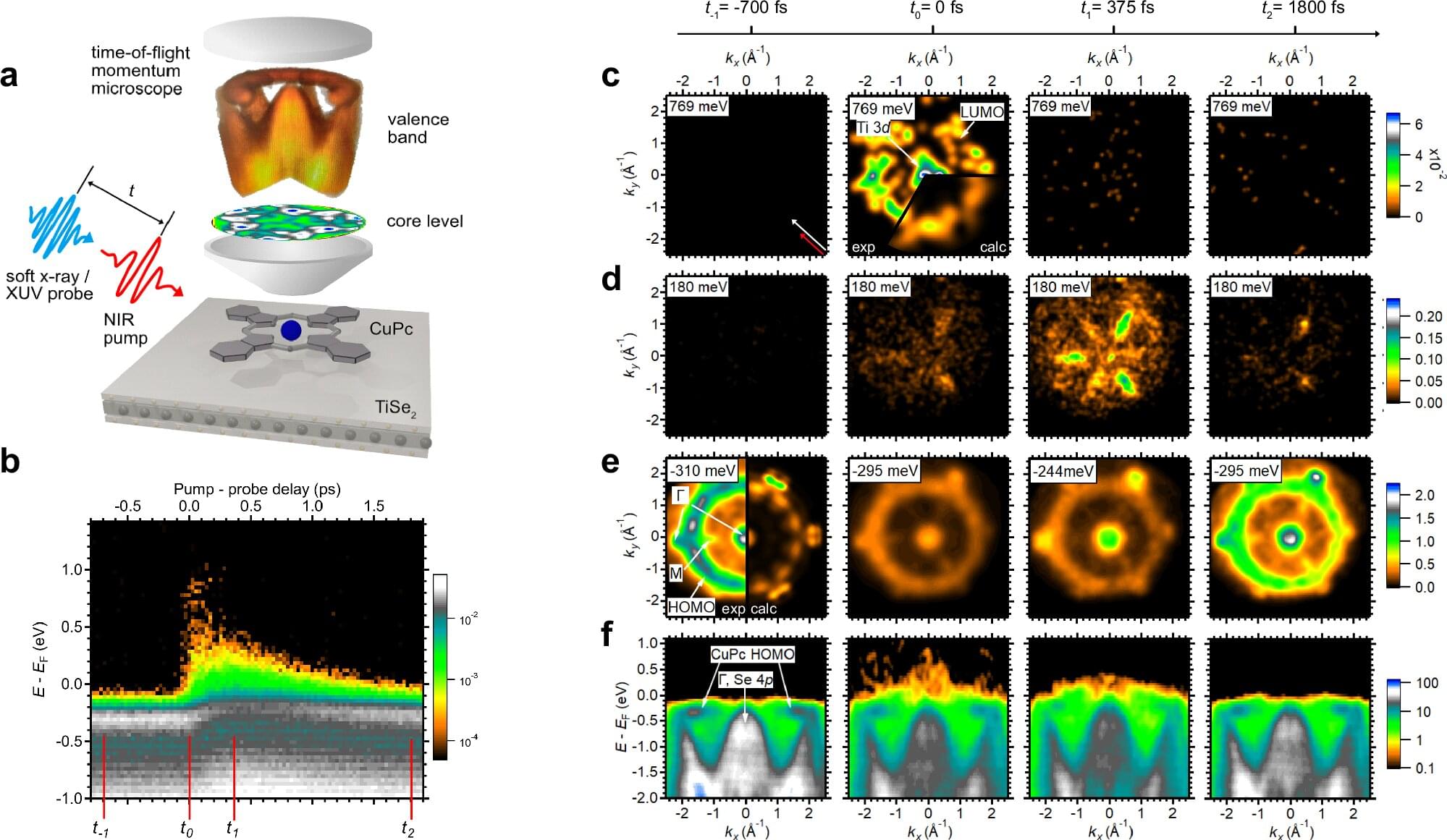
Researchers from Germany, Japan and India, led by scientists from DESY and the Universities of Kiel and Hamburg, have found a way to collectively make molecules on a flat surface rotate by exposing them to light using ultrafast light pulses from DESY’s free-electron laser FLASH and a high-harmonic generation source. However, making those molecules dance is not the ultimate goal: this result could have an impact on next-generation quantum and energy materials for electronics, data storage and energy conversion.

Molecules sitting on a material surface usually do just that—they sit on the surface without changing. If you send energy their way, however—for example, in the form of light—they can become dynamic and move. If this movement could be controlled, it could have a massive influence on all sorts of nanomaterials that are being investigated for a variety of applications from health to data storage.

DESY scientist Markus Scholz, leader of a study now published in Nature Communications, points out that this is particularly interesting in hybrid systems where organic molecules are placed on atomically thin, two-dimensional quantum materials. Examples of these hybrid systems are molecular electronics or energy-driven functional surfaces.

Recent pandemic viruses jumped to humans without prior adaptation, study finds

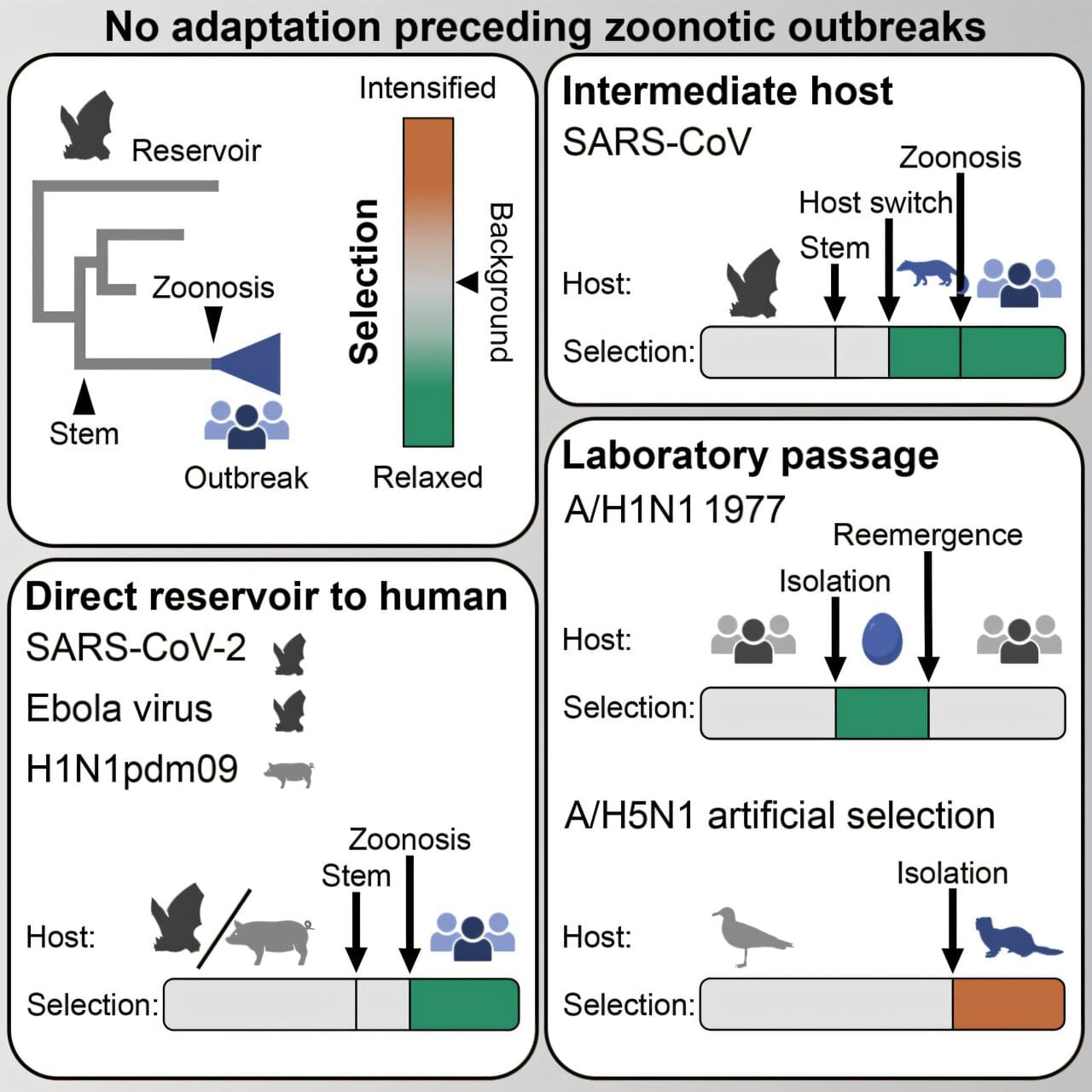
A new University of California San Diego study published in Cell challenges a long-standing assumption about how animal viruses become capable of sparking human epidemics and pandemics. Using a phylogenetic, genome-wide analysis across multiple viral families, researchers report that most zoonotic viruses—infectious pathogens that spread from animals to humans, including the cause of COVID-19—do not show evidence of special evolutionary adaptation before spilling over into humans.

“This work has direct relevance to the ongoing controversy around COVID-19 origins,” said Joel Wertheim, Ph.D., senior author and professor of medicine in the Division of Infectious Diseases and Global Public Health at UC San Diego School of Medicine.

“From an evolutionary perspective, we find no evidence that SARS-CoV-2 was shaped by selection in a laboratory or prolonged evolution in an intermediate host prior to its emergence. That absence of evidence is exactly what we would expect from a natural zoonotic event—and it represents another nail in the coffin for theories invoking laboratory manipulation.”

Understanding the Role of Gut Microbial Enzyme in CMD

Studies of the putative functional relationships between the gut microbiota and host cardiometabolic diseases (CMDs), including atherosclerosis, diabetes, and metabolic dysfunction-associated steatohepatitis (MASH), have garnered unprecedented attention in recent years.1,2 Although causality has not yet been unequivocally established, interventions targeting the gut microbiota, such as antibiotics and fecal microbiota transplantation, have been demonstrated to improve health.3 Although such interventions show unique clinical value in specific scenarios such as recurrent Clostridioides difficile infection,4 they typically show interindividual variability in efficacy and raise safety concerns, altogether underscoring the need for safer, more precise, and targeted strategies.5 A deeper understanding of the molecular mechanisms by which gut microbiota exert their functions in health and disease will be crucial to such goals.

Enzymes are intracellular proteins that perform defined biological processes, and enzyme-targeting drugs constitute a significant proportion of current therapeutics.6 In recent years, growing evidence has indicated that gut microbial enzymes are key mediators of microbiota-derived functions.7 Such enzymes contribute to CMDs pathogenesis primarily through 3 mechanisms: generating bioactive metabolites that influence intestinal barrier integrity, inflammation, and other essential physiological processes; regulating the homeostasis of critical host metabolites, such as ceramides and cholesterol; and metabolizing xenobiotics derived from diet and drugs, thereby modulating nutrient absorption and drug efficacy.

Given the complexity of the functions of gut microbiota, it is arguably overly simplistic to categorize them as symbionts that are probiotic or pathogenic. Rather, by identifying and characterizing key microbial enzymes, we will be able to precisely modulate gut microbiota functions in health and disease. When a clear enzymatic cause is identified, therapies targeting microbial enzymes capitalize on a function-driven mechanism. This allows for precision that is independent of taxonomy and avoids off-target consequences stemming from compositional heterogeneity of the functional microbes across individuals. The operational feasibility and druggability of these therapies are further supported by mature enzyme-based therapy development paradigms. Ultimately, enzyme-targeted interventions are expected to work alongside conventional whole-microbiota or strain-level approaches, thereby enriching the toolkit for developing gut microbiome-based therapeutics.

Stem Cell Treatments For Parkinson’s And Heart Failure Approved in World First

Japan has approved ground-breaking stem-cell treatments for Parkinson’s and severe heart failure, one of the manufacturers and media reports said Friday, with the therapies expected to reach patients within months.

Pharmaceutical company Sumitomo Pharma said it received the green light for the manufacture and sale of Amchepry, its Parkinson’s disease treatment that transplants stem cells into a patient’s brain.

Japan’s health ministry also gave the go-ahead to ReHeart, heart muscle sheets developed by medical startup Cuorips that can help form new blood vessels and restore heart function, media reports said.

Navigating Postacute Care Options for Patients After Hospital Discharge: A Review

Approximately 25% to 40% of hospitalized adults are discharged to receive postacute care either at home through home health or in skilled nursing facilities, inpatient rehabilitation facilities, or long-term acute care hospitals.

This Narrative Review considers postacute care settings to assist hospital-based clinicians in effectively collaborating with patients, caregivers, and interdisciplinary care teams to facilitate transitions to high-quality postacute care.


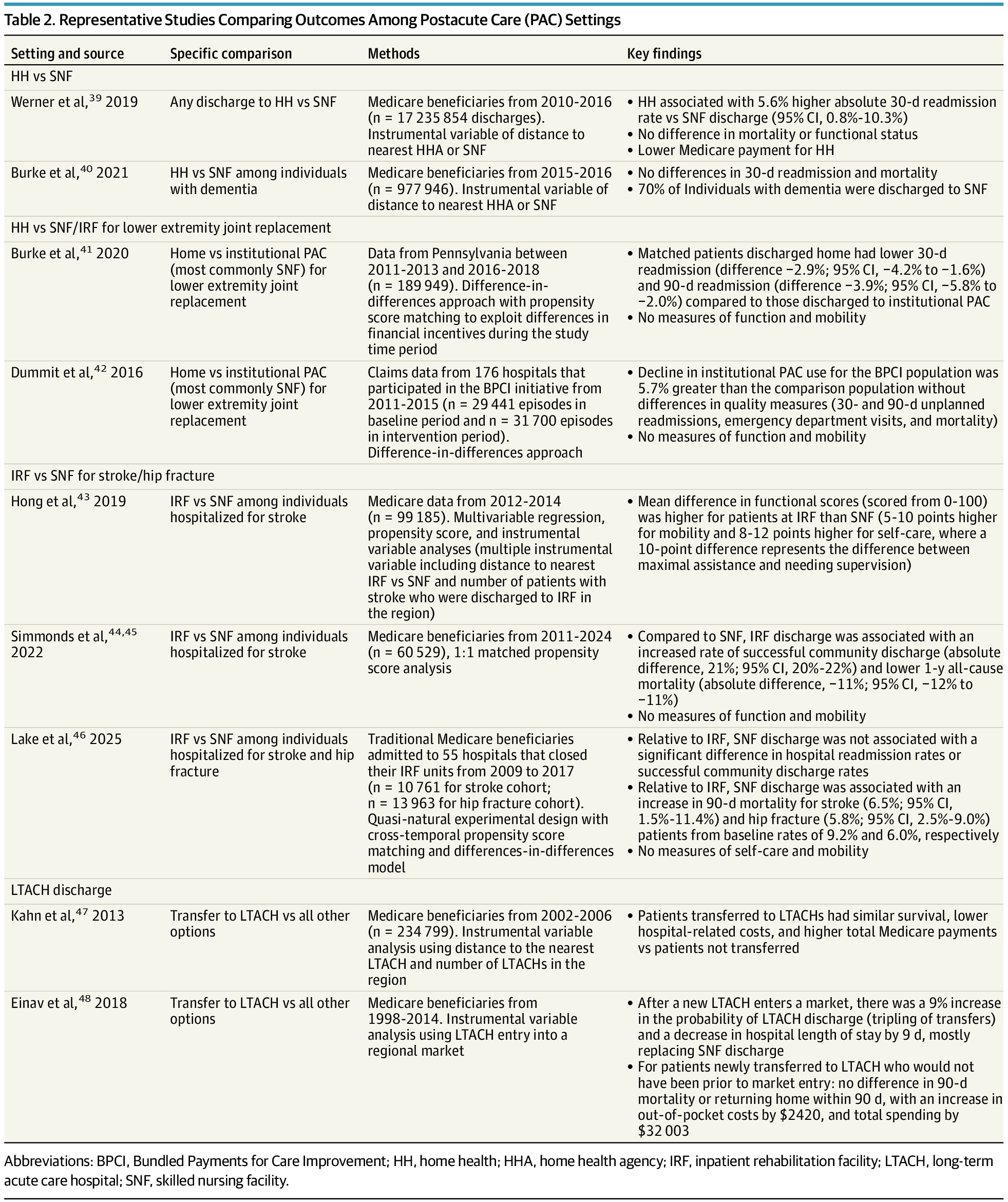
Clinicians often care for patients who cannot return to their previous level of support in the community due to new functional impairments or complex posthospital care needs. After hospital discharge, these patients may require postacute care (PAC)—broadly defined as medical and rehabilitative services intended to help individuals recuperate and rehabilitate. PAC can be provided at home through home health (HH) or in skilled nursing facilities (SNFs), inpatient rehabilitation facilities (IRFs), and long-term acute care hospitals (LTACHs). A key criterion for PAC eligibility is the need for skilled nursing and/or rehabilitative services as determined by the treating physician.1-3 Payers require that these health services be reasonable and necessary for the treatment of a specific illness or injury, and that given their complexity (eg, wound care, intravenous infusion), they be provided only by a health professional. Yet, clinicians often play a passive role in PAC planning; many report a lack of knowledge around PAC capabilities, quality, and constraints.4-6

The epidemiology of PAC in the US is best understood for Traditional Medicare (or fee-for-service). Among hospitalized Medicare beneficiaries, approximately 40% were discharged to PAC in 2023: 18% to HH, 17% to SNF, 5% to IRFs, and 1% to LTACHs,7 accounting for approximately $60 billion of Medicare spending annually.7 Up to three-quarters of regional differences in Medicare spending are attributable to PAC, suggesting that discharge decisions are often driven by local practice norms rather than patient need. This underscores the need to improve and standardize PAC best practices.8,9

Hospital-based physicians, nurse practitioners, and physician assistants play an important role in PAC discharge planning due to their in-depth understanding of a patient’s complex medical needs. A better understanding of the qualifications and services provided can help clinicians engage in a more helpful role in the PAC discharge planning process. This Narrative Review provides an overview of PAC settings with the goal of helping clinicians collaborate most effectively with patients, caregivers, and interdisciplinary care teams to promote transition to high-quality PAC. We present a general summary of the most common types of PAC, followed by a comparison of the supporting evidence for each PAC setting. Descriptions of elements of PAC are based on the benefits covered by Traditional Medicare, which generally inform other payers’ coverage policies. Lastly, we review best practices for clinicians to actively discuss PAC options with patients, helping to orchestrate transitions of care to PAC for eligible individuals.

The role of liver sinusoidal endothelial cells in liver diseases: Key players in health and pathology

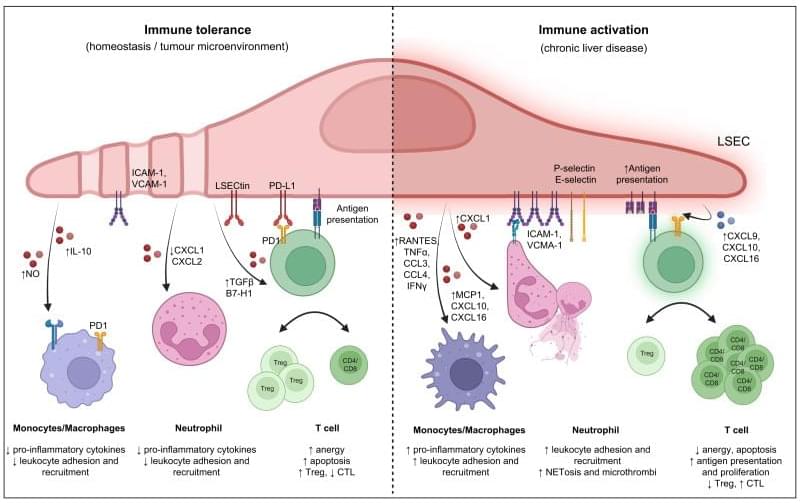
Liver sinusoidal endothelial cells (LSECs) are specialised endothelial cells that orchestrate hepatic homeostasis within the liver sinusoid. Besides their key role in regulating intrahepatic vascular tone, trafficking and cellular crosstalk, their scavenging and immune-regulatory role makes them central to the development of liver disease. LSEC dysfunction includes loss of fenestrae, inflammatory activation and the gain of vasoconstrictive and prothrombotic functions. Robust evidence has demonstrated how preserving LSECs is crucial in a pathological context, placing LSECs at the centre of novel therapeutic and diagnostic strategies.

Cuffless Devices for the Measurement of Blood Pressure: A Scientific Statement From the American Heart Association

Cuffless BP devices have the potential to increase access and overcome barriers to BP screening, particularly for underresourced communities. Individuals from these communities—including people from rural areas, with low income, or from underrepresented racial or ethnic groups—often have a higher prevalence of hypertension and uncontrolled BP than their counterparts and face barriers to accessing health care services, including regular BP monitoring and confirmation of office BP with ABPM.32–34

One of the primary barriers to BP screening in underresourced communities is a lack of health care facilities and trained physicians.35 Cuffless devices, which are often portable and convenient and can be incorporated into everyday objects (eg, watches, smartphones), can be deployed in homes, in community centers, among lay community health workers, and by individuals themselves.4,5,36 This accessibility eliminates the need for individuals to travel long distances to receive basic health screenings, making it easier for residents of rural areas, or areas with shortages of health care professionals, to monitor their out-of-office BP regularly.

Cost is a major barrier hindering access to health care and traditional BP monitoring methods for individuals from underresourced populations, many of whom may be uninsured or underinsured. Cuffless BP devices could theoretically reduce costs, particularly when integrated into wearable or mobile devices that consumers purchase for multiple uses.36 However, because of the limitations of cuffless devices, including the need for calibration with additional purchased devices and insufficient accuracy, cost-effectiveness remains speculative.

Degenerating Tanycytes Disrupt Tau Removal, Shaping Alzheimer’s Progression

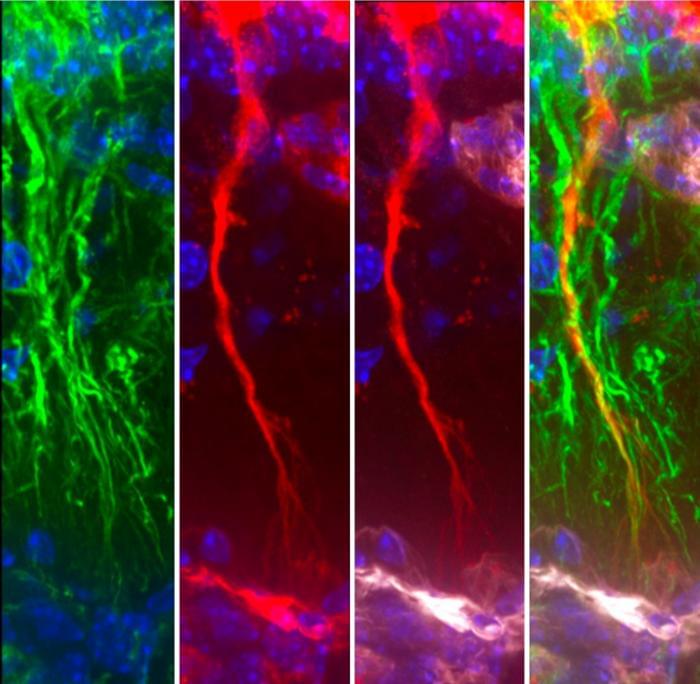
“Tanycytes, whose cell bodies line the walls and floor of the third ventricle and extend long, slim processes that terminate in ‘endfeet’ that contact these fenestrated capillaries,” act as a shuttle between the CSF and the blood, the authors wrote. The new study suggests they also act as a kind of molecular “exit ramp,” moving tau out of the CSF and into the bloodstream for disposal. When these cells become fragmented, that clearance system falters. Tau, which should be ferried away, instead lingers—much like traffic backing up when a major off‑ramp closes—allowing toxic protein species to accumulate.

“Our findings reveal a previously underappreciated, disease‑relevant role for tanycytes in neurodegeneration,” said corresponding author Vincent Prévot, PhD, of INSERM. “Focusing on tanycyte health could be a way to improve tau clearance and limit disease progression.”

Using rodent and cellular models, the researchers showed that tanycytes take up tau from the CSF and release it into pituitary portal capillaries, enabling its entry into the systemic circulation, according to the authors. When the team blocked vesicular transport in tanycytes, tau clearance from CSF to blood slowed dramatically, and tau pathology intensified. As the authors wrote, “Blocking tanycytic vesicular transport blunts CSF‑to‑blood tau efflux and potentiates tau pathology.”

/* */