Toggle light / dark theme

Nocturnal Hypertension and Prognosis in Patients of Very Advanced Age

RESEARCH ARTICLE: nocturnal hypertension and prognosis in patients of very advanced age.


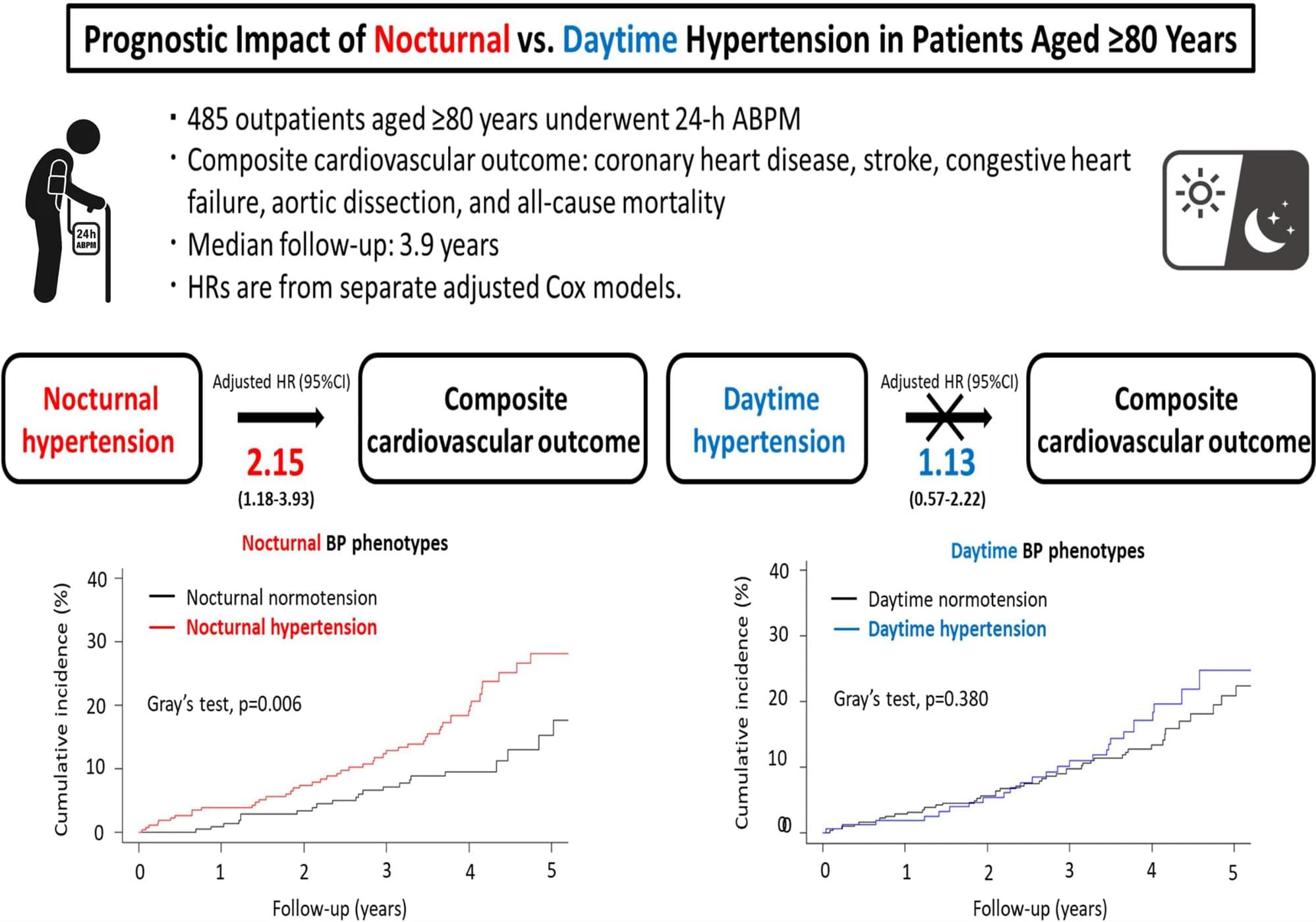
BACKGROUND: Nocturnal blood pressure (BP) is a better predictor of health outcomes than office or daytime BP. However, the clinical significance of nocturnal hypertension in patients of very advanced age remains unexplored. We aimed to assess the association between nocturnal hypertension and composite cardiovascular outcomes in this population. METHODS: This was a prospective observational study including Japanese elderly outpatients aged ≥80 years. All patients underwent 24-hour ambulatory BP monitoring at baseline. Nocturnal hypertension was defined as nocturnal systolic BP ≥120 mm Hg or diastolic BP≥70 mm Hg. Daytime hypertension was defined as daytime systolic BP ≥135 mm Hg and diastolic BP ≥85 mm Hg.

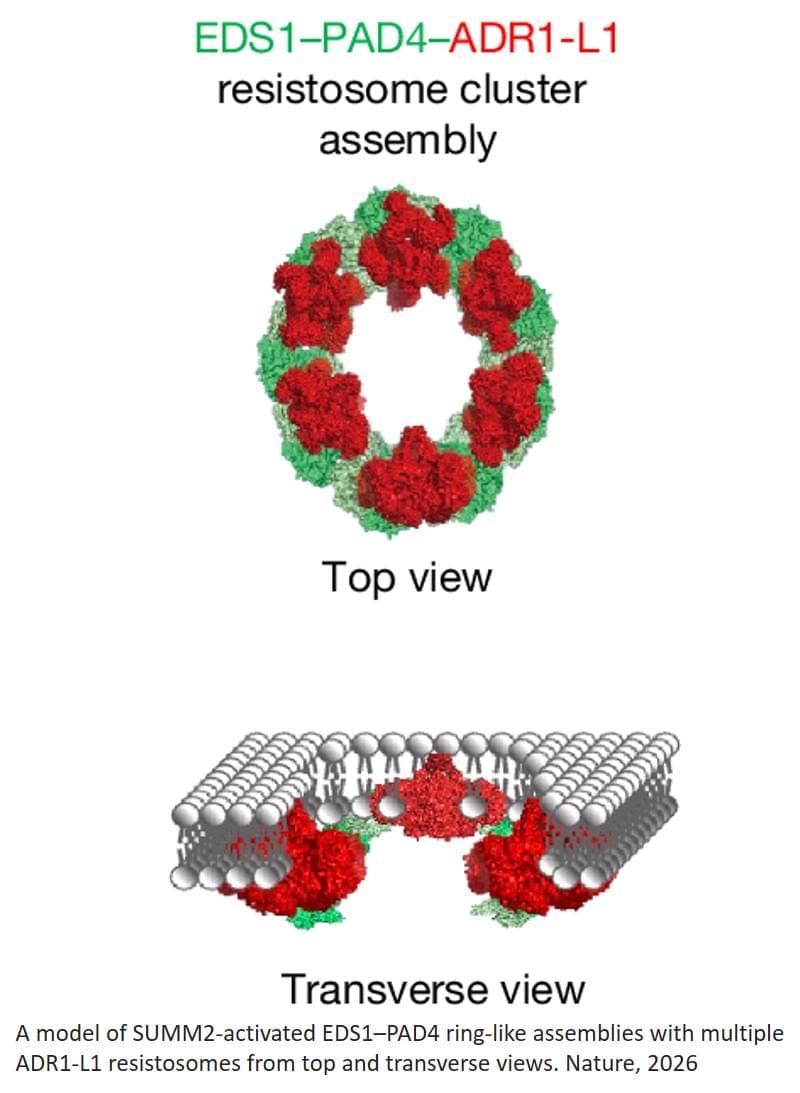
Cell death’s ‘beautiful’ rings!

Over the past several decades, researchers have identified the genes and proteins in plants that initiate the cellular self-destruct sequence. During that time, they also found shared elements of this “resistome” at work in mammalian.

Plant nucleotide-binding leucine-rich repeat (NLR) immune receptors detect pathogen effectors and activate immunity. Coiled-coil NLRs (CNLs) form resistosomes as Ca2+-permeable channels in the plasma membrane (PM). However, the mechanism by which resistosomes activate cell death remains unclear.

The ring, which resembles a wreath or a necklace, the author said, is a combination of proteins that bind to a cell membrane and six channels that orient themselves to run through the membrane. The team made this discovery working with Arabidopsis and Nicotiana bethamaian, popular plant model systems, and a high resolution total internal reflection fluorescence microscope.

The authors show that the CNL SUPPRESSOR OF mkk1 mkk2 2 (SUMM2), unlike canonical CNLs that use a MADA motif to penetrate the PM, tethers to the PM through N-myristoylation, a common feature among many CNLs.

PM targeting via N-myristoylation is essential for SUMM2-induced cell death. Upon activation, SUMM2 promotes the association of the lipase-like proteins ENHANCED DISEASE SUSCEPTIBILITY 1 (EDS1) and PHYTOALEXIN DEFICIENT 4 (PAD4) with the helper NLR-ACTIVATED DISEASE RESISTANCE 1-LIKE 1 (ADR1-L1).

Active SUMM2 induces the clustering of multiple ADR1-L1 resistosomes into a ring-like assembly colocalized with the EDS1–PAD4 complex, and the EDS1–PAD4–ADR1 module is essential for SUMM2-activated cell death.

The finding invites new questions about what exactly the rings do and how they do it. The team’s current hypothesis is that the rings enable communication with nearby cells, sending inflammation signals that can help initiate cell death in a targeted way. ScienceMission sciencenewshighlights.
Beyond the bleed: complications after aneurysmal subarachnoid hemorrhage. Pathophysiology, clinical implications, and management strategies: a review

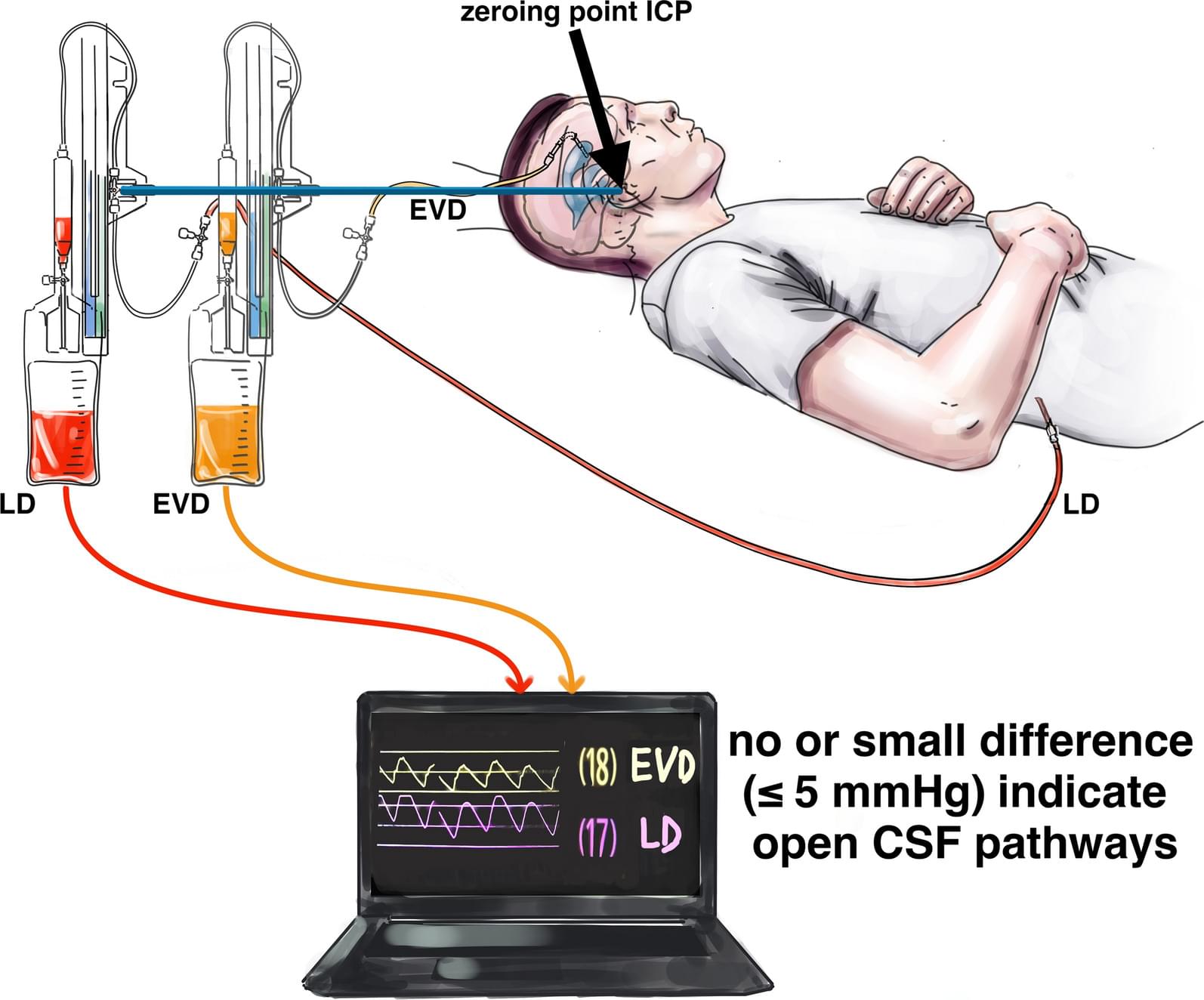
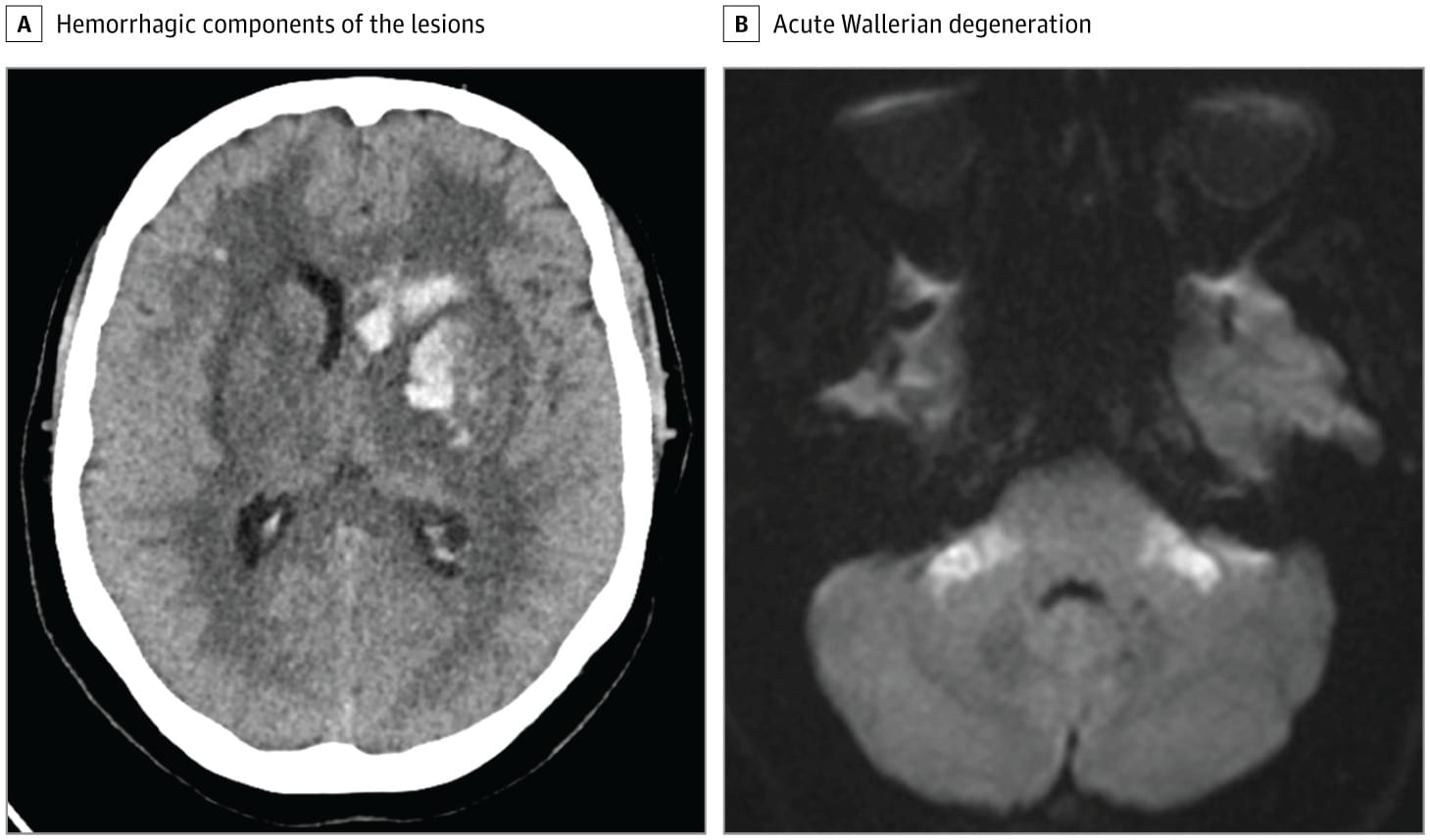
Aneurysmal subarachnoid hemorrhage is a critical condition with high case-fatality and lasting impacts on survivors. Acute events that are the direct result of aneurysm rupture, such as acute ischemia, elevated intracranial pressure, cerebral edema, seizures, and hydrocephalus, lead to early brain injury. A delayed cascade of processes, including a prominent systemic inflammatory response, may lead to secondary brain injury and delayed cerebral ischemia, which often further impairs recovery. Systemic complications, including cardiac and pulmonary dysfunction, fever, and electrolyte imbalances, arise in the interplay between early and secondary brain injury and challenge the clinical course.

Study finds CDK4/6 plus EGFR blockade kills pancreatic cancer cells without KRAS drugs

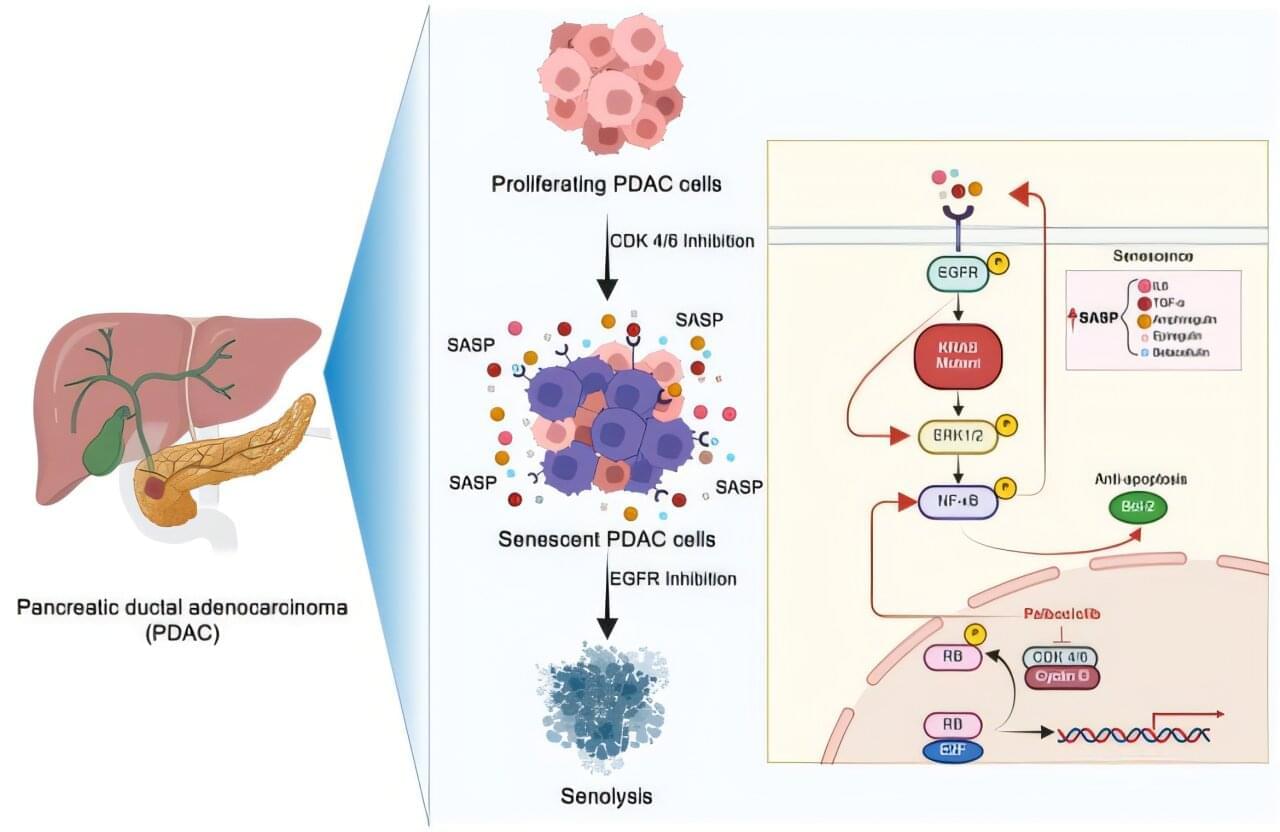
Clinically available KRAS inhibitors mainly target G12C, which is rare in PDAC and often acquires resistance. Oncogenic KRAS inactivates RB1 via CDK4/6, while RB1 mutation is rare. Thus, CDK4/6 inhibition offers an indirect strategy to counter KRAS-driven malignancy without direct KRAS targeting.

Virtually all pancreatic ductal adenocarcinomas (PDACs) are initiated by activating mutations in the oncogene KRAS, which occur in multiple distinct allelic forms. Although considerable efforts have led to the development of inhibitors targeting specific mutant KRAS proteins, the only agents currently approved for clinical use selectively target the KRASG12C variant. However, KRASG12C mutations are exceedingly rare in pancreatic cancer.

Furthermore, in patients with KRASG12C-mutant pancreatic cancer, treatment with KRASG12C inhibitors has shown only modest clinical benefit, comparable to that of conventional chemotherapeutic regimens, and even in cases with an initial objective response, acquired resistance almost invariably emerges within a limited time frame.

Autism’s Link to Parkinson’s Risk May Finally Be Explained

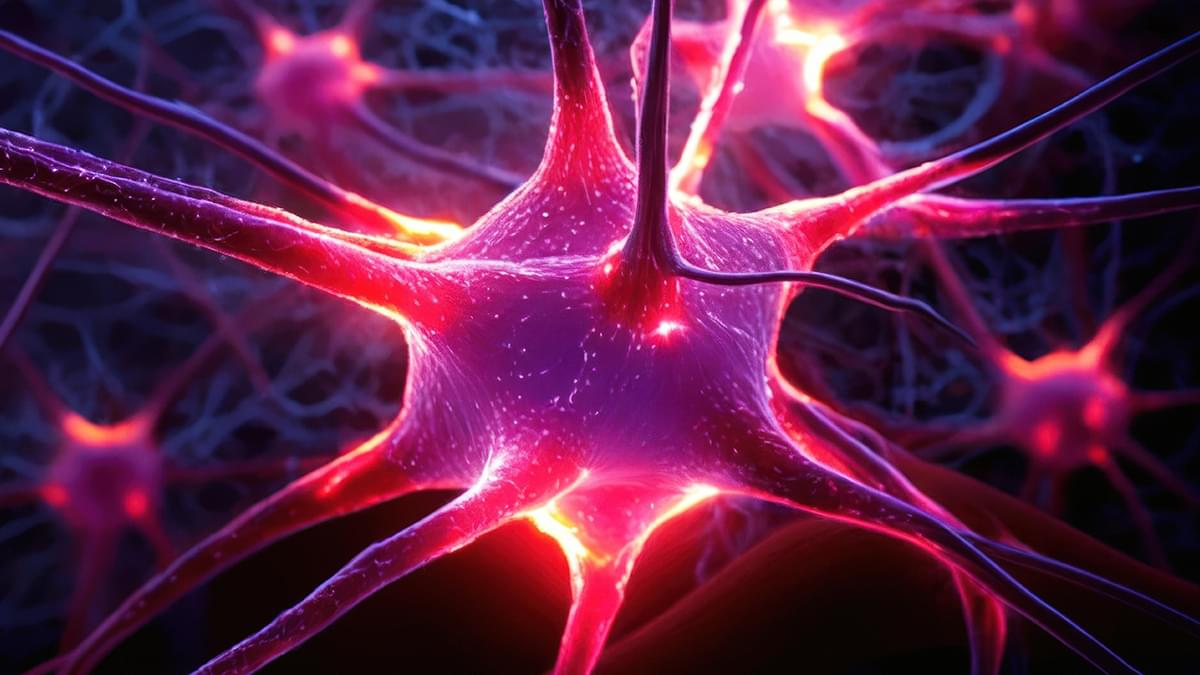
People with autism may be up to six times more likely to develop Parkinson’s disease in later life. New research offers a potential explanation based on the role of transporter molecules that recycle unused dopamine in the brain.

Dopamine is a neurotransmitter crucial for managing movement and executive functions, and for reinforcing behavior. It’s well known that Parkinson’s is characterized by a drop in dopamine levels, while disruptions in the transport of the chemical have also been linked to autism.

With that context, researchers led by a team from the University of Missouri in the US took a novel approach using a technology known as a DaT SPECT scan, which is typically used to diagnose Parkinson’s in much older people.

Urinary Tract Infection in Young Febrile Children in the Emergency Department

UTICalc demonstrated strong diagnostic performance for UTI in febrile children aged 2 to 24 months, supporting its use as an evidence-based adjunct in emergency department patient assessment.


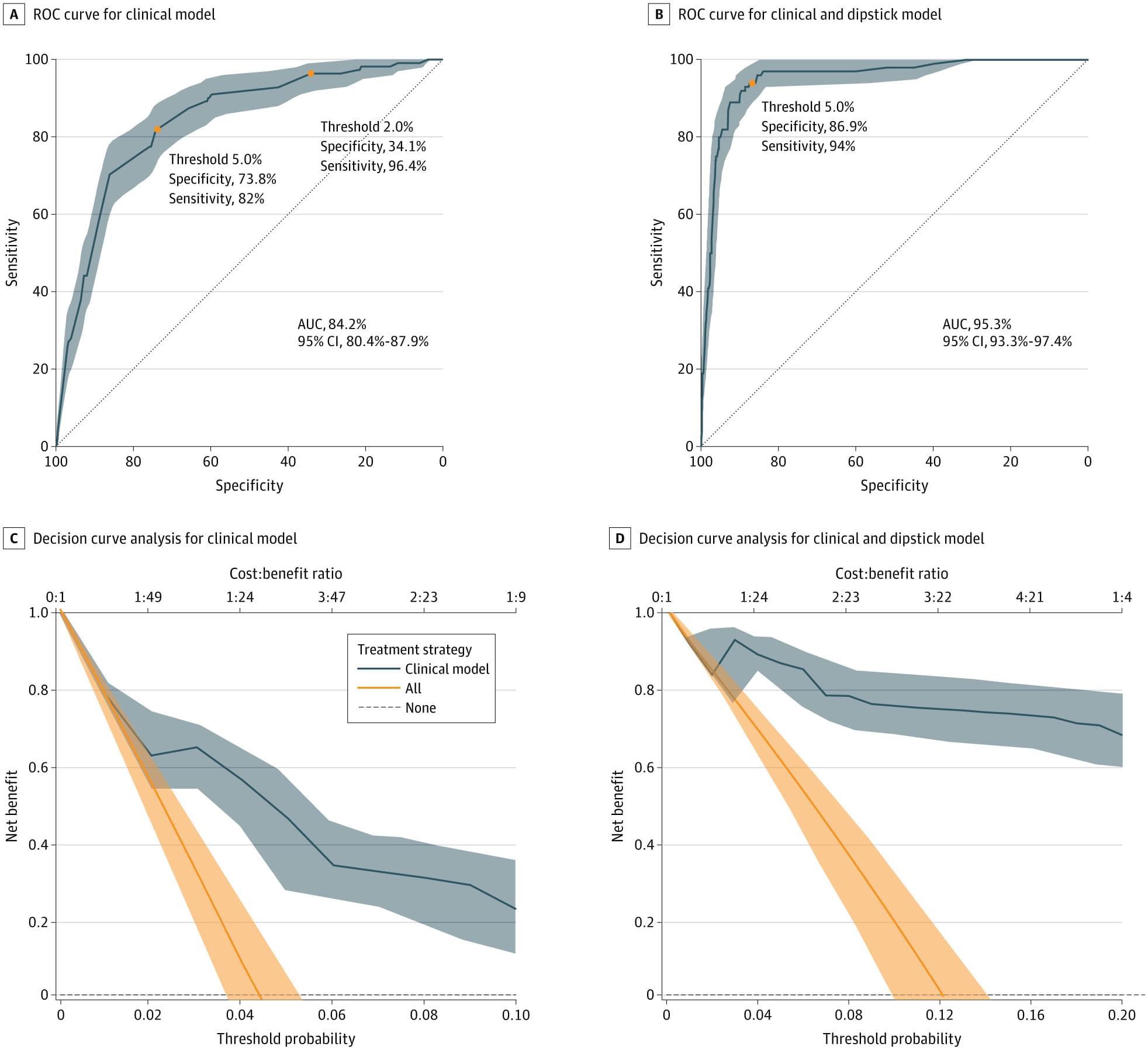
This multicenter diagnostic study prospectively provides the final stage of external validation for UTICalc in young febrile children. We found strong discrimination for the model, which was improved when incorporating dipstick data. This study supports integration into clinical care as a tool for diagnostic stewardship in pediatric care.

Decision curve analysis supported the utility of both UTICalc models across relevant thresholds. However, clinician judgment demonstrated higher sensitivity in the high-volume tertiary centers where this study was conducted, reflecting pediatric emergency medicine practitioner expertise. Because most children presenting for acute care are evaluated outside tertiary centers,27 possibly with limited pediatric expertise and uncertain follow-up, using a 5% risk threshold—despite reducing testing—may not be ideal due to reduced sensitivity. UTICalc may serve as a useful adjunct for clinicians with less pediatric experience or in cases of diagnostic uncertainty, with lower risk thresholds (eg, 2%) potentially more appropriate for patients with persistent symptoms or anticipated barriers to follow-up.

The observed UTI prevalence of 4% in our cohort is consistent with previously reported risk estimates in this population, which ranges from 3% to 11%.2,28,29 Model performance in our study was comparable with the original derivation and validation study published in 2018, which reported an AUROC of 0.80 in the clinical model and 0.97 in the clinical and dipstick model. Low PPV in our sample is reflective of low disease prevalence.

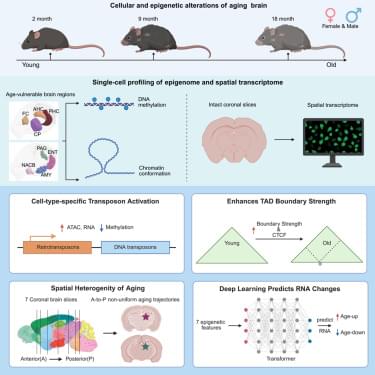
Type-specific transposon demethylation and TAD remodeling in aging mouse brain

Now online! A multi-omic single-cell atlas of the aging mouse brain reveals cell-type-specific transposon methylation changes, strengthening of 3D genome boundaries, and regionally heterogeneous aging signatures. These findings offer a resource to understand the molecular mechanisms of brain aging and guide future research on neurodegeneration.

✨Presenting a methodological advancement that bridges ecological theory with clinical hepatology✨

https://doi.org/10.1172/jci.insight.

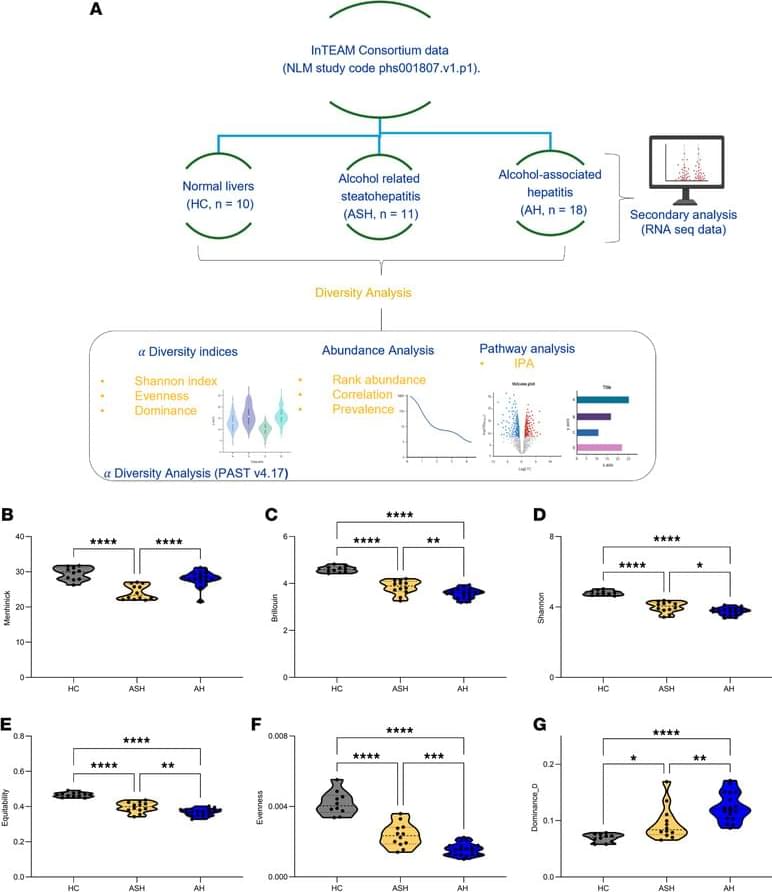
Here, Gavin E. Arteel & team perform alpha diversity analysis of hepatic transcriptome, revealing distinct pathways in alcohol-associated hepatitis and offering new perspectives on disease progression and identifying potentially informative biomarkers.


4Pittsburgh Liver Research Center, and.

5Department of Computational and Systems Biology, University of Pittsburgh, Pittsburgh, Pennsylvania, USA.

6Institut d’Investigacions Biomediques August Pi i Sunyer (IDIBAPS), University of Barcelona, Barcelona, Spain.

/* */