Toggle light / dark theme

One-hour saliva test spots biomarker linked to several cancers

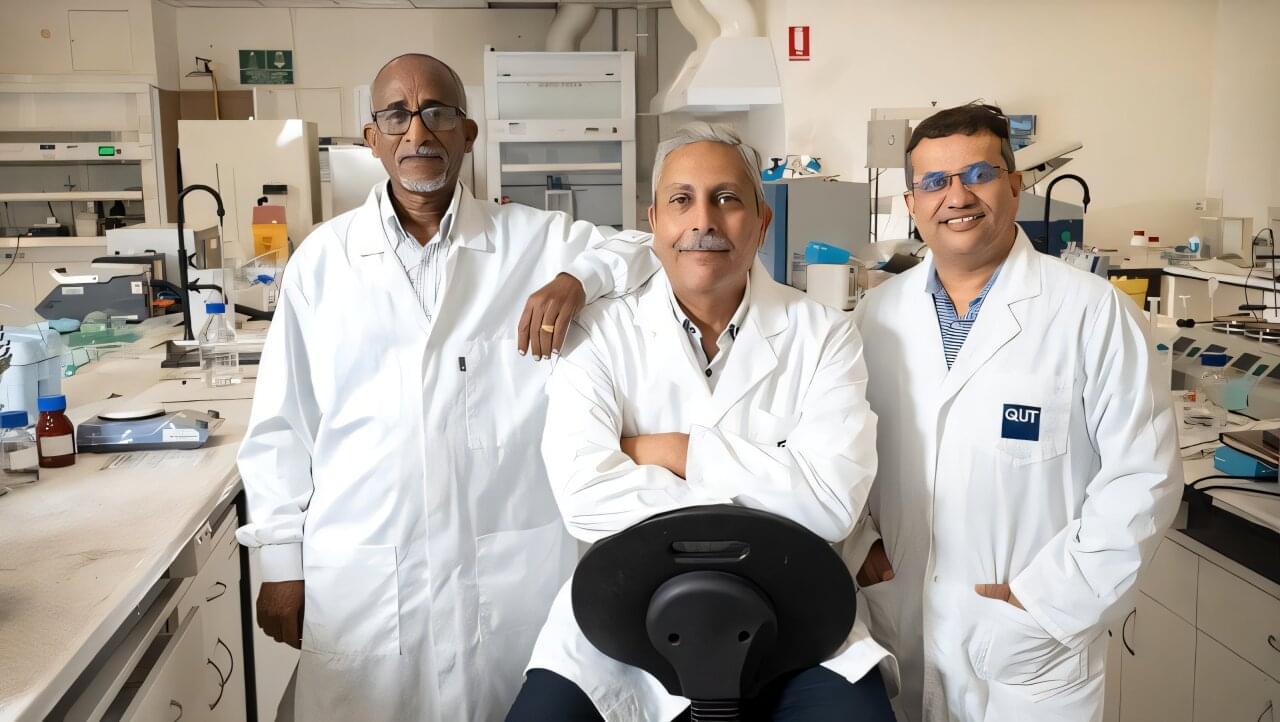
QUT researchers have developed a simple one-hour saliva test for a protein biomarker that has been linked with oral, colon and pancreatic cancers. The findings are published in the journal Talanta.

The paper is titled “Label free paper sensor and light driven material for the rapid screening of S100P cancer biomarker in saliva.” Corresponding author, Associate Professor Emad Kiriakous, from QUT’s School of Chemistry and Physics, said this technology could pave the way for simple, low-cost, point-of-care screening tools to help identify and treat cancer early.

Professor Kiriakous said the QUT team developed a rapid testing technique of saliva using paper coated in gold and silver nanoparticles to create a highly sensitive sensor that records the Raman spectrum (or SERS, the process by which a substance scatters laser light which is used to identify molecules) of saliva samples.

Chemical recycling of imine-linked covalent organic frameworks

Imine-linked covalent organic frameworks (COFs) have been explored for various applications; however, chemical recycling of end-of-life COFs is an undeveloped area of research. Here, we report closed-loop recycling methods for imine-linked COFs, realizing their chemical depolymerization and reconstruction through d.

Assay to analyze regulatory function and epigenomic modifications simultaneously

DNA is the blueprint of life. Genes encode proteins and serve as the body’s basic components. However, building a functioning organism also requires precise instructions about when, where, and how much those components should be produced. This layer of control is carried out by cis-regulatory elements (CREs), which are short stretches of DNA that serve as binding sites for transcription factors and help control the activity of nearby genes, hence are often described as the “switches” and “dials” of genes. Although CREs do not encode proteins themselves, they play a major role in shaping traits, guiding development, and influencing disease risk.

CREs control gene expression through epigenetic mechanisms, such as whether DNA is open and accessible and whether it carries markers associated with active gene regulation. Even small changes in CRE sequences can have substantial effect on gene expression. Until now, scientists have relied on separate experimental methods to study these processes. Some methods identify DNA regions that appear to function as regulatory elements, while others test whether a DNA sequence can activate gene expression. Because these approaches are usually performed independently in different experiments, it has been difficult to directly connect cause and effect or to systematically evaluate the impact of individual changes in the sequence.

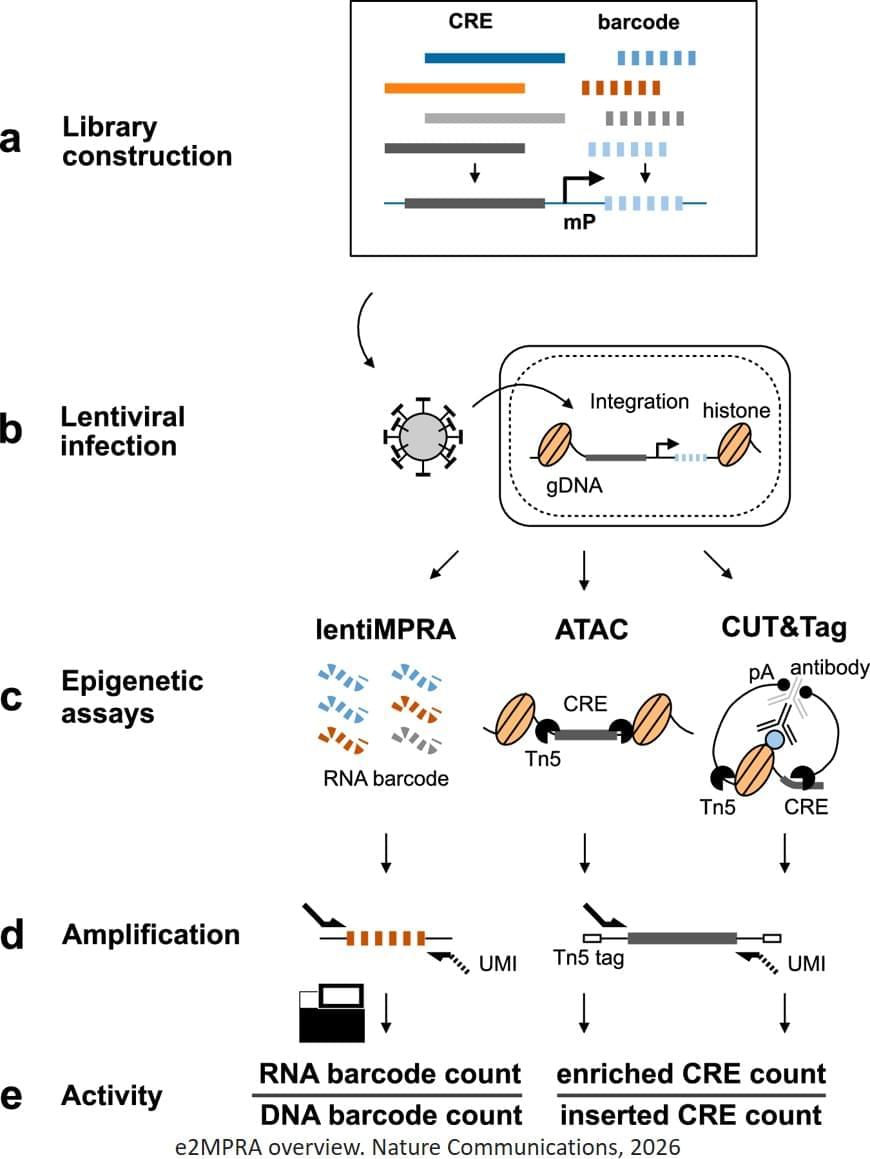
To overcome these limitations, the researchers developed an enrichment followed by epigenomic profiling massively parallel reporter assay (e2MPRA), a new technique that builds on their earlier lentiMPRA platform, which enables simultaneous analysis of thousands of CREs by tagging them with unique DNA barcodes that track their activity. e2MPRA takes this technique a step further by also capturing epigenetic states, allowing researchers to directly link what a CRE does with how it does it under identical experimental conditions.

E2MPRA was validated using two large libraries totaling approximately 10,000 sequences: one consisted of synthetic CREs with systematically arranged transcription factor binding sites, and the other contained known CREs in which small DNA changes were introduced to examine how each alteration affected function. For each CRE, the researchers measured three key features: how strongly it activates genes (regulatory activity), whether the surrounding DNA is open and accessible (chromatin accessibility), and whether it carries a chemical “active” mark (H3K27ac modification).

Using this approach, the team demonstrated that different CREs regulate genes in distinct ways. Some primarily boost gene activity without substantially altering DNA structure, while others mainly increase DNA accessibility. The researchers also found that the arrangement and order of the binding sites within a CRE can strongly influence its activity, much like word order can change the meaning of a sentence.

The team then used e2MPRA to examine how tiny DNA changes (as tiny as a single “letter” difference) can disrupt gene regulation. In regions containing the POU5F1::SOX2 binding site, which plays a key role in maintaining stem cell identity, mutations altered not only gene activity but also DNA accessibility and H3K27ac levels.

In contrast, changes in the YY1 binding site showed a more complex behavior: mutations reduced gene activity but increased DNA accessibility. These findings show that DNA variants can influence gene regulation through multiple, overlapping layers rather than through a simple on–off mechanism. ScienceMission sciencenewshighlights.
Tubulin prevents toxic protein clumps in the brain, fighting back against neurodegeneration

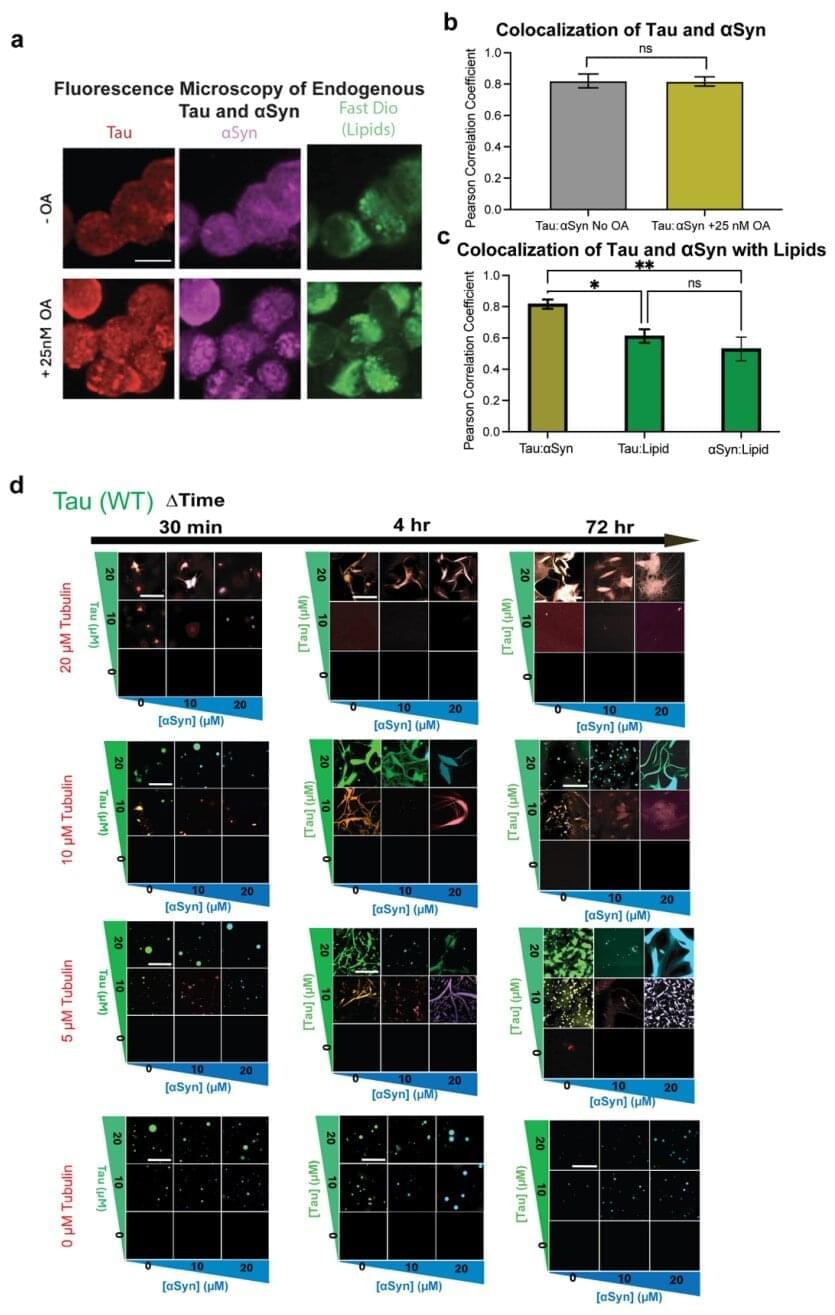
Researchers at Baylor College of Medicine have discovered a potential new strategy to fight back against Alzheimer’s and Parkinson’s diseases, conditions that are linked to the toxic accumulation of Tau and alpha synuclein protein clumps in the brain. The team reports in Nature Communications that tubulin, the building block of microtubules, the cell’s internal ‘railway tracks, can stop Tau and alpha synuclein from forming toxic clumps and instead steer them into their normal, healthy roles.

“Tau and alpha synuclein are well known for their roles in neurodegenerative diseases like Alzheimer’s and Parkinson’s. In these conditions, these proteins can misfold, stick together and form harmful aggregates that damage neurons and contribute to memory loss, movement problems and other symptoms,” said first author Dr. Lathan Lucas, postdoctoral associate of biochemistry and molecular pharmacology in Dr. Allan Ferreon’s lab.

“But Tau and alpha synuclein also fulfill essential functions in healthy neurons—they help maintain cell structure and support communication by interacting with tubulin and contributing to microtubule assembly and stabilization.”

Scientists Map the Hidden Chemistry of Solar-Powered Catalysts

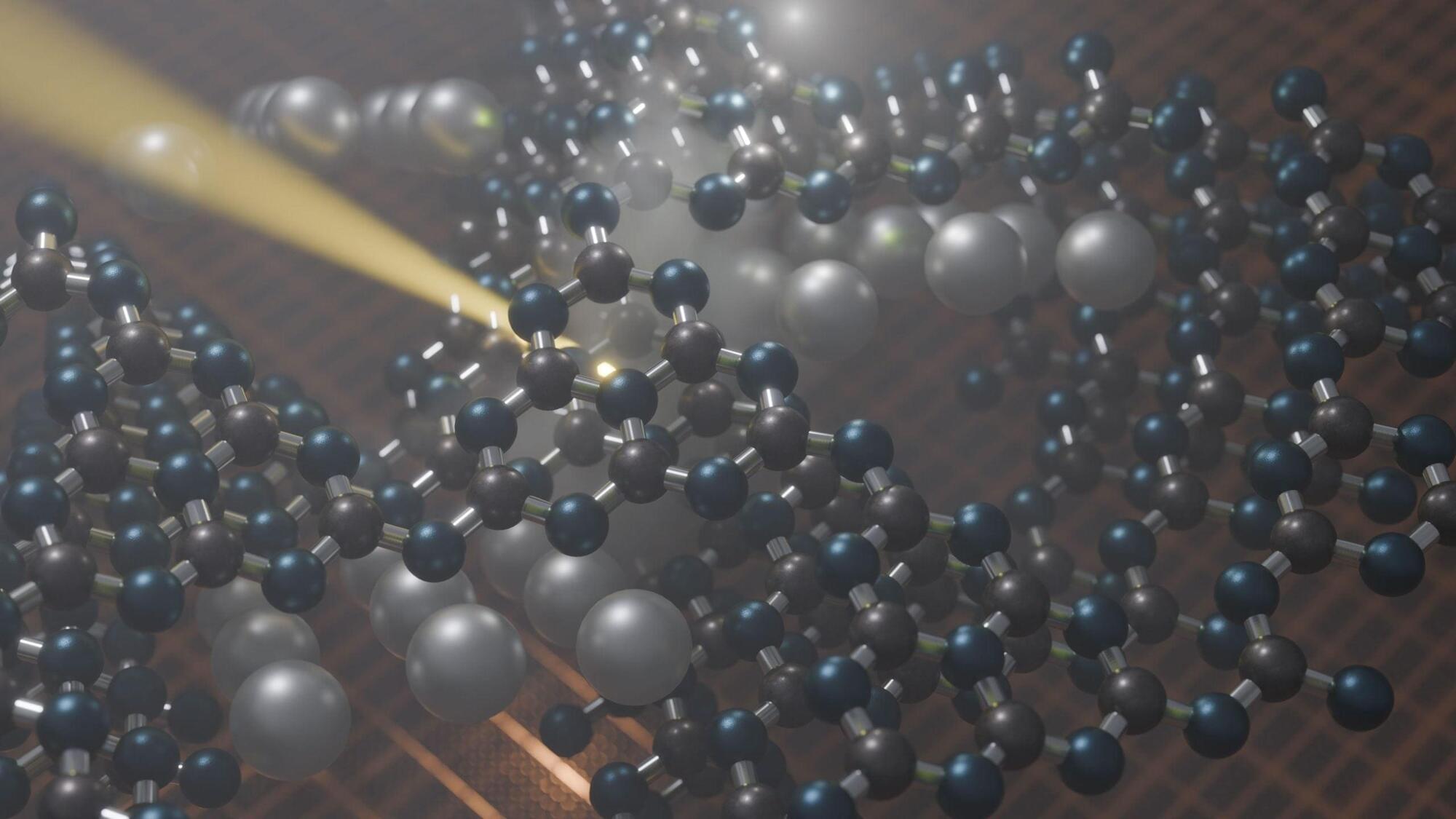
A new computational approach reveals how subtle structural changes in polyheptazine imides can dramatically influence their ability to convert sunlight into chemical energy. Photocatalysis offers a promising way to convert abundant sunlight into useful chemical energy. Among the materials attract

Creating less trippy, more therapeutic ‘magic mushrooms’

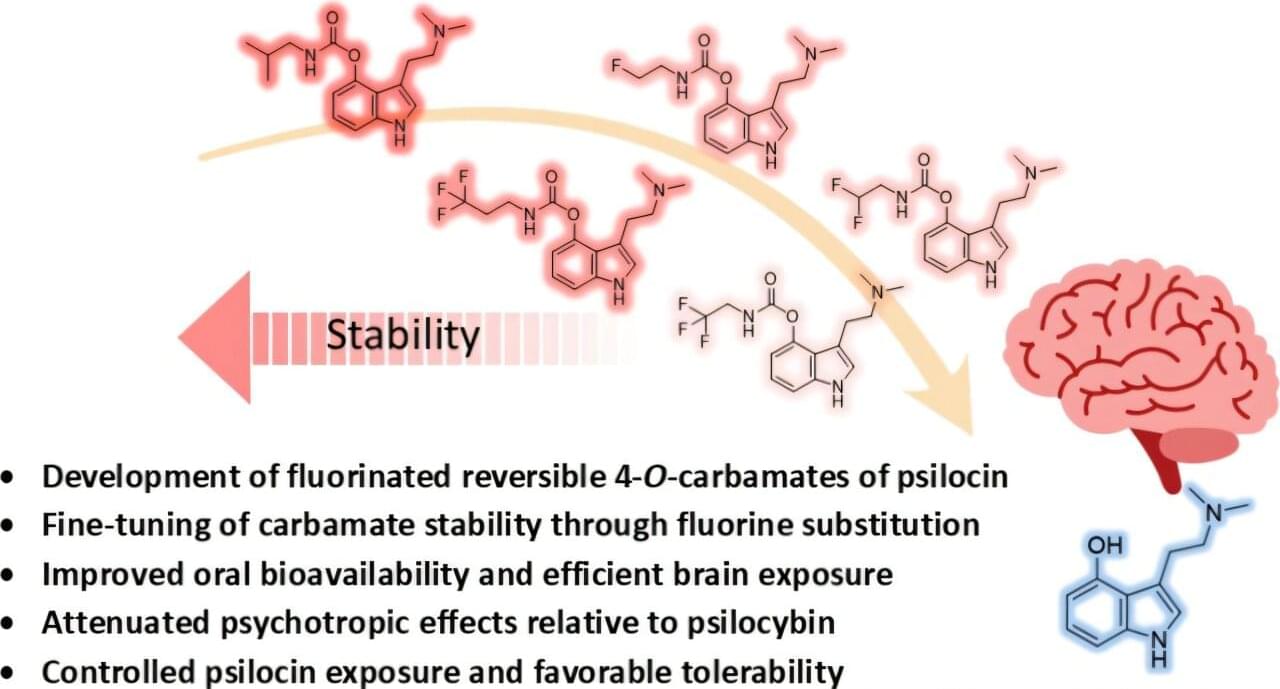
Psilocybin—the psychoactive compound in “magic mushrooms”—is gaining scientific attention for its potential in treating neuropsychiatric conditions including depression, anxiety, substance use disorders and certain neurodegenerative diseases. However, its hallucinogenic effects may limit broader therapeutic applications. Researchers publishing in the Journal of Medicinal Chemistry synthesized modified versions of psilocin, the active form of psilocybin, that retained its activity while producing fewer hallucinogenic-like effects than pharmaceutical-grade psilocybin in a preliminary study in mice.

“Our findings are consistent with a growing scientific perspective suggesting that psychedelic effects and serotonergic activity may be dissociated,” says Andrea Mattarei, a corresponding author of the study. “This opens the possibility of designing new therapeutics that retain beneficial biological activity while reducing hallucinogenic responses, potentially enabling safer and more practical treatment strategies.”

Mood disorders and some neurodegenerative diseases, such as Alzheimer’s disease, involve imbalances of the neurotransmitter molecule serotonin, which helps regulate mood and other brain functions. For decades, scientists have been investigating the therapeutic use of psychedelics such as psilocybin on serotonin-signaling pathways. However, the hallucinations that can accompany these drugs may make people wary of taking them, even if there is a medical benefit.

Scientists discover a hidden force that helps wire the brain

Growing neurons rely on chemical cues to find their targets, but new research shows that the brain’s physical properties help shape those signals. Scientists discovered that tissue stiffness can trigger the production of guidance molecules through a force-sensing protein called Piezo1. This protein not only detects mechanical forces but also helps maintain the structure of brain tissue. The discovery reveals a powerful link between the brain’s physical environment and how its wiring is built.

Listening to the body’s quietest, yet most dynamic movements with a wearable sensor

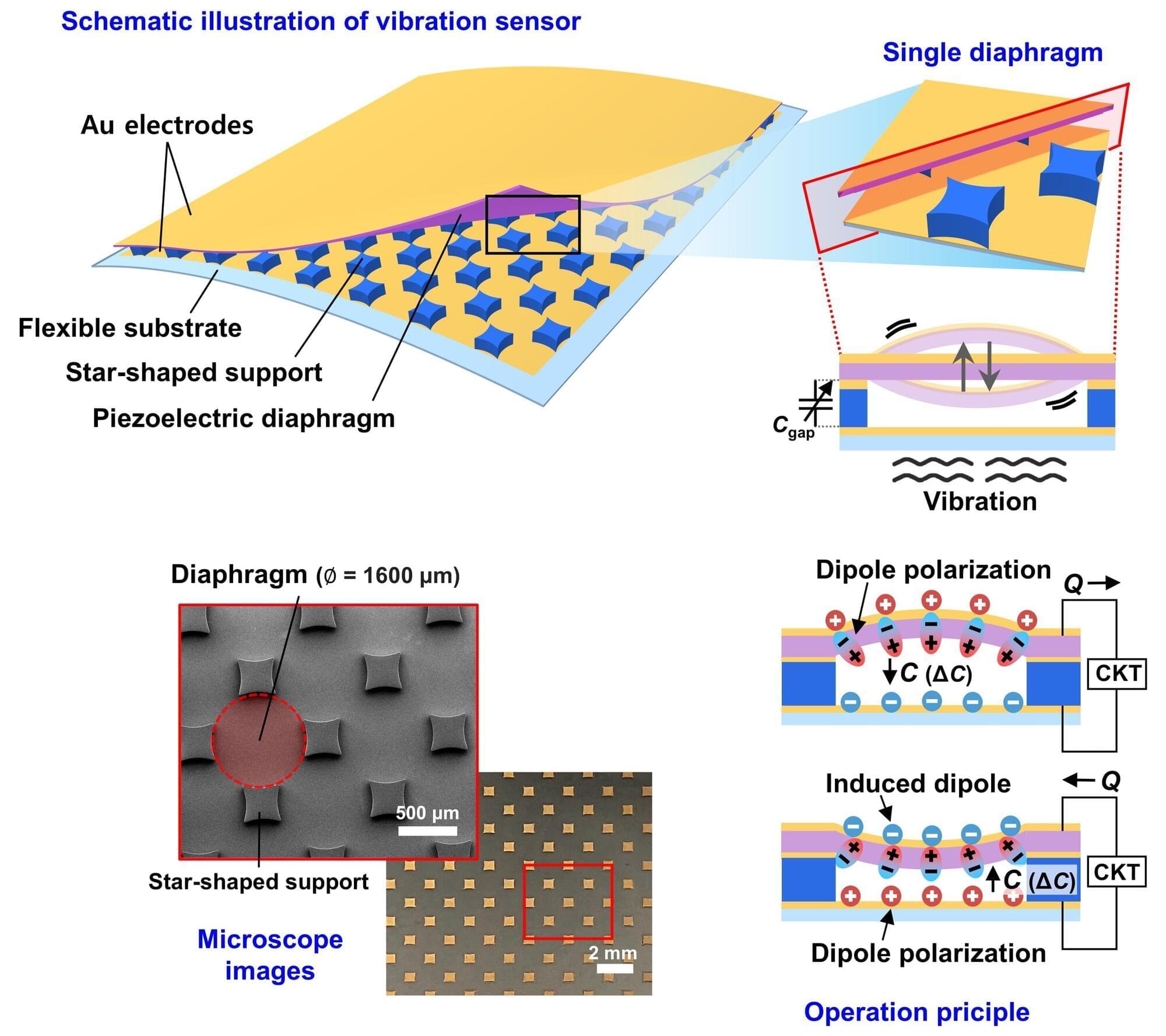
The human body continuously generates a rich spectrum of vibrations—often without us ever noticing. Everyday unconscious activities such as breathing, speaking, and swallowing all produce subtle yet distinct mechanical signals. Although these faint vibrations carry valuable information about physiological state, they have long been difficult to capture accurately using conventional wearable devices.

Recently, a research team led by Professor Kilwon Cho of the Department of Chemical Engineering at Pohang University of Science and Technology (POSTECH), along with Ph.D. candidate Kang Hyuk Cho and postdoctoral researcher Dr. Jeng-Hun Lee, has developed a wearable vibration sensor capable of precisely detecting these subtle yet highly dynamic signals, without requiring any external power source. This breakthrough opens new possibilities for wearable medical and health care technologies and demonstrates strong potential as a core sensing platform for next-generation smart devices. The work was published in the inaugural issue of Nature Sensors.

Sounds produced by the human body span a wide range of frequencies. Physiological signals such as breathing, swallowing, and speech typically occur at lower frequencies, while sounds such as coughing or groaning emerge at relatively higher frequencies. Accurately capturing these signals requires precise detection of the minute vibrations transmitted to the skin surface across a broad frequency spectrum.

Researchers create a never-before-seen molecule and prove its exotic nature with quantum computing

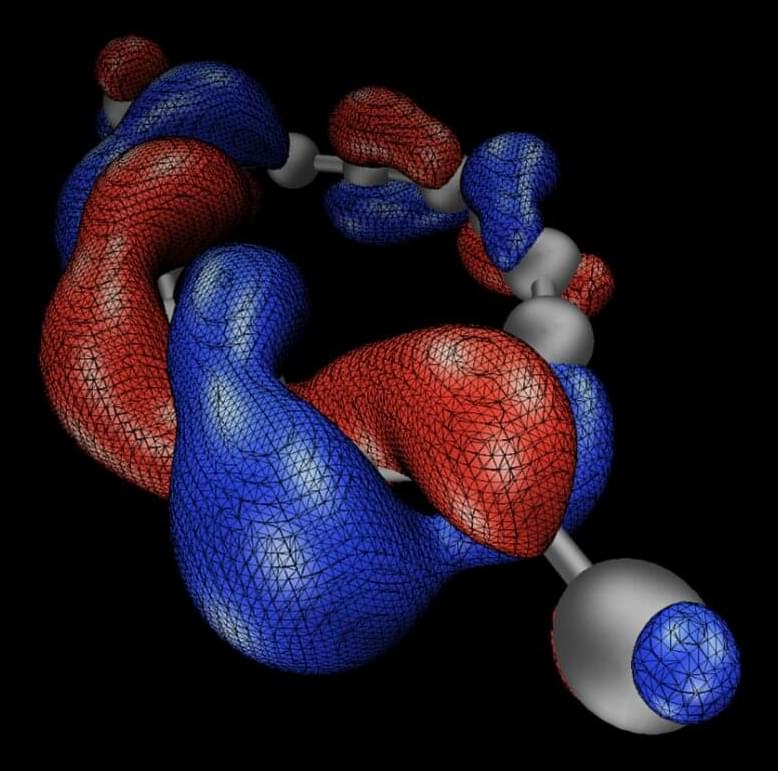
An international team of scientists from IBM, The University of Manchester, Oxford University, ETH Zurich, EPFL and the University of Regensburg have created and characterized a molecule unlike any previously known—one whose electrons travel through its structure in a corkscrew-like pattern that fundamentally alters its chemical behavior. The work appears in Science.

This is the first experimental observation of a half-Möbius electronic topology in a single molecule. To the scientists’ knowledge, a molecule with such topology has never before been synthesized, observed, or even formally predicted.

Understanding this molecule’s behavior at the electronic structure level required something equally fundamental: a high-fidelity quantum computing simulation. The discovery advances science on two fronts. For chemistry, it demonstrates that electronic topology—the property governing how electrons move through a molecule—can be deliberately engineered, not merely found in nature.

/* */