Toggle light / dark theme

Scientists Shocked to Find Two Hidden Species for Every One We Know

Scientists may have been dramatically undercounting the number of vertebrate species on Earth. A large analysis of more than 300 studies suggests that for every recognized species of fish, bird, mammal, reptile, or amphibian, there may be two additional “cryptic” species that look almost identica

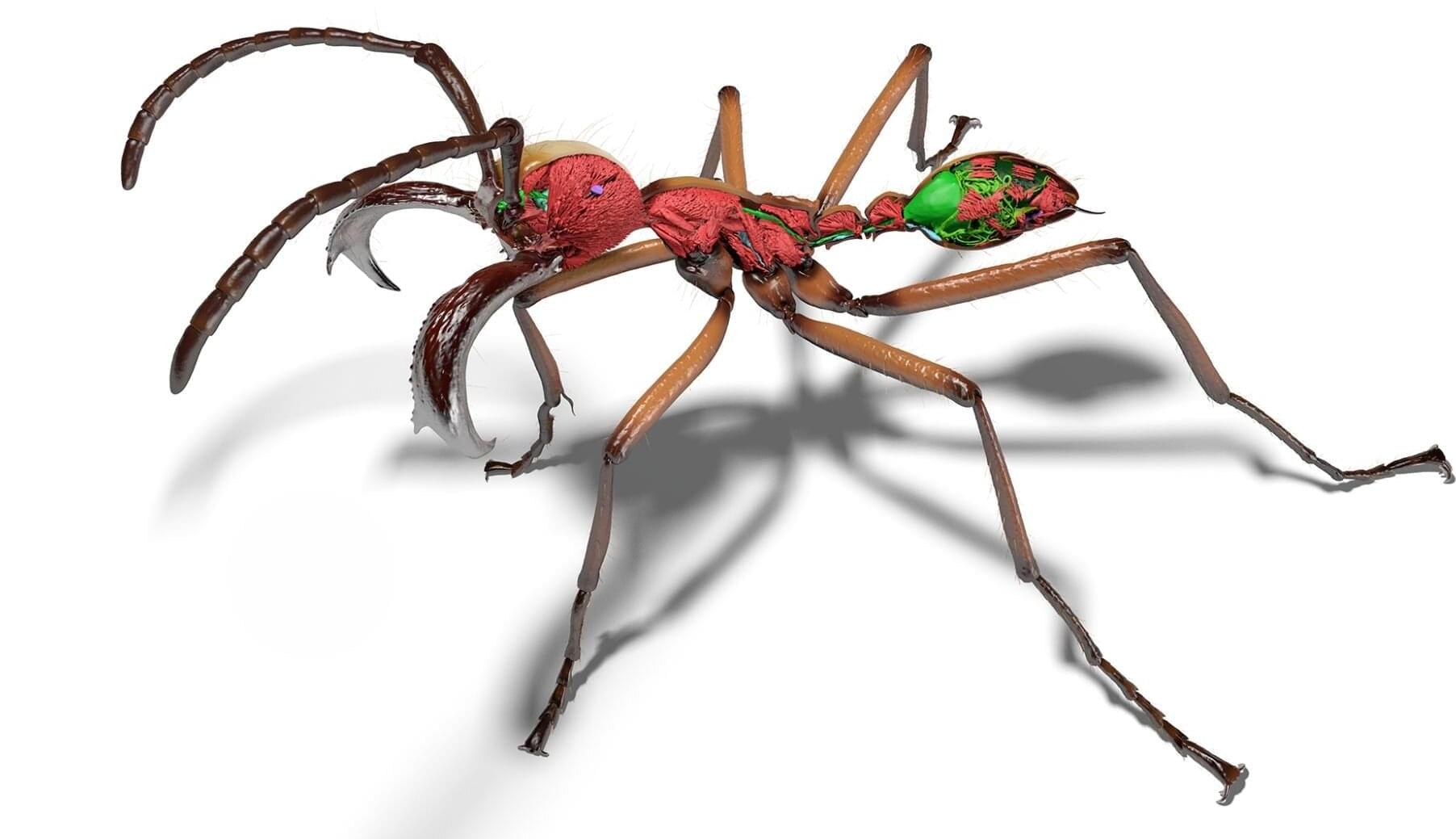
3D imagery helps bring world’s ant diversity to life

For more than a decade, Evan Economo’s lab has been using micro-CT machines to scan insect specimens. The resulting X-ray images help researchers study the form and structure of insects—a subfield of entomology known as morphology—but the process is costly and time-consuming.

“One limitation is that you can get this rich 3D dataset, but it could take 10 hours to scan one specimen,” explained Economo, who chairs the University of Maryland’s Department of Entomology and holds the James B. Gahan and Margaret H. Gahan Professorship.

As a senior author of a paper published in the journal Nature Methods, Economo tested a high-tech workflow to speed up their efforts.


Current and future applications of photon-counting computed tomography in cardiovascular medicine

Learn more about this fascinating technique which is coming to cardiovascular medicine:

Paper:

Podcast with the authors: https://bit.ly/49oxvq9


Photon-counting CT (PCCT) represents a transformative advancement in cardiac imaging, addressing key limitations of conventional CT. This review synthesises current evidence to demonstrate how PCCT’s superior spatial resolution, enhanced tissue characterisation and multienergy capabilities broaden the diagnostic potential of cardiac CT. Applications include the precise detection and quantification of coronary artery calcifications, evaluation of coronary plaque burden and composition, improved assessment of coronary stents, and comprehensive myocardial tissue characterisation and perfusion analysis. By offering high-quality spectral information and detailed tissue characterisation, PCCT provides a non-invasive alternative for assessing coronary artery disease and myocardial pathology, reducing the need for invasive coronary angiography and cardiac MRI.

/* */